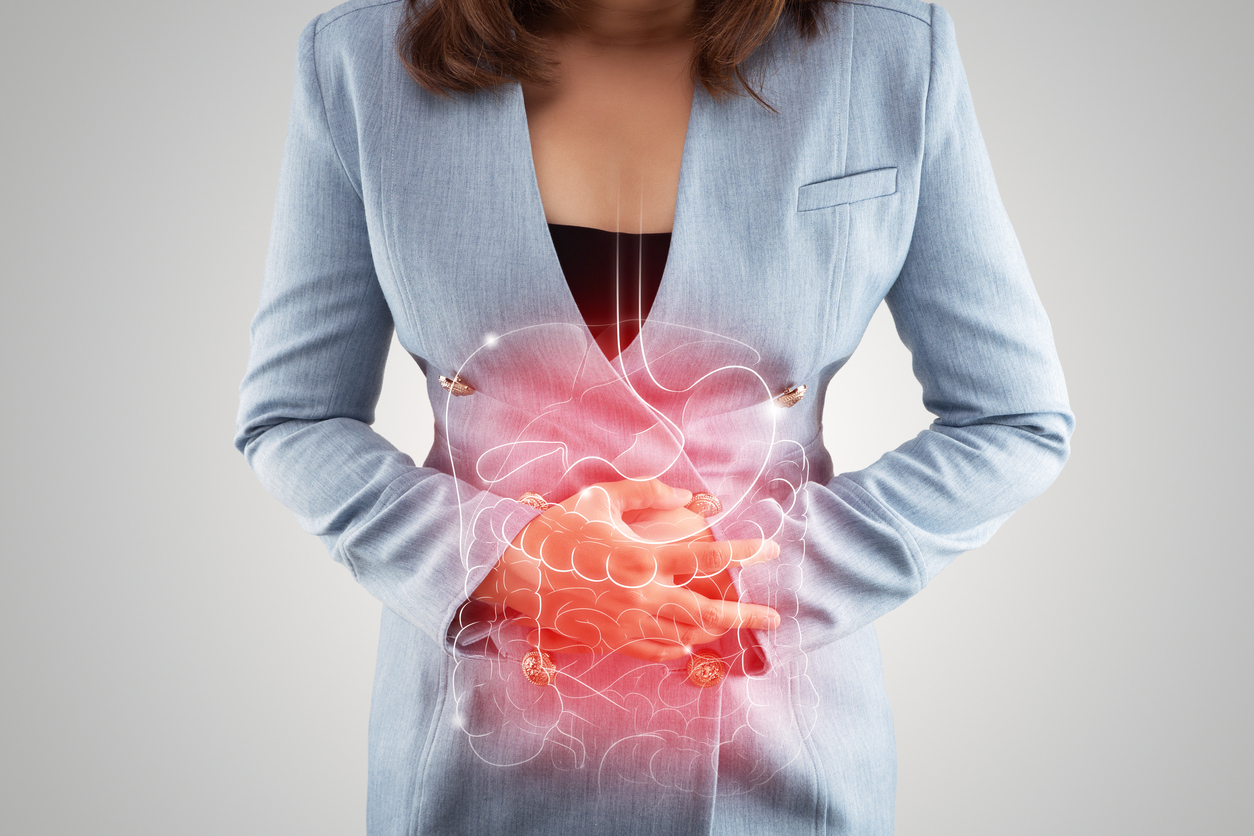
Probiotics, IBS, and Overall Gut Health: Understanding the Connection
Probiotics have garnered significant attention in the management of Irritable Bowel Syndrome (IBS) and the improvement of overall gut health. These “good” bacteria, found in certain foods and supplements, can influence the balance of the gut microbiome, potentially offering relief from various gastrointestinal symptoms. Here’s a closer look at the role of probiotics in managing IBS and enhancing digestive health.
What are Probiotics?
Probiotics are live microorganisms, primarily bacteria, similar to those naturally occurring in the human gut, particularly in the digestive tract. They are often referred to as “good” or “helpful” bacteria because they help maintain a healthy gut environment. Probiotics can be found in fermented foods like yogurt, kefir, sauerkraut, kimchi, and kombucha, as well as in dietary supplements.
Probiotics and IBS
IBS is a common disorder that affects the large intestine, causing symptoms like abdominal pain, bloating, gas, diarrhea, and constipation. The exact cause of IBS is unknown, but it’s believed to be a result of various factors, including changes in the gut microbiome. Here’s how probiotics play a role:
- Symptom Relief: Research suggests that probiotics can help manage key symptoms of IBS, particularly bloating and bowel irregularities, by restoring balance to the gut flora.
- Modulation of Gut Environment: Probiotics may influence the gut’s environment, enhancing the barrier function of the intestinal lining and modulating the immune response, which can be beneficial for IBS sufferers.
- Reduction of Inflammation: Certain probiotic strains can reduce intestinal inflammation, a factor that may contribute to IBS symptoms.
Choosing the Right Probiotics
Not all probiotics are the same, and their effects can vary significantly depending on the strain and the condition being treated. For IBS, specific strains such as Lactobacillus plantarum, Bifidobacterium infantis, and Saccharomyces boulardii have been studied and shown potential benefits. It’s important to select a probiotic supplement that specifies the strains it contains and to look for products with clinical evidence supporting their efficacy for IBS.
Incorporating Probiotics into Your Diet
To increase your intake of probiotics:
- Include fermented foods in your daily diet.
- Consider a high-quality probiotic supplement, especially if you’re not consuming enough probiotic-rich foods.
- Maintain a balanced diet rich in fiber, as this can help promote a healthy gut microbiome and support the activity of probiotics.
A Note of Caution
While probiotics are generally considered safe for most people, they can cause side effects in some, such as gas and bloating, especially when first starting them. Individuals with compromised immune systems or serious underlying illnesses should consult a healthcare provider before beginning probiotic supplementation.
The Future of Probiotics in Gut Health Management
The future of probiotics in the management of gut health looks promising, with ongoing research continuously uncovering new insights into how these beneficial microorganisms interact with our gut ecosystem. Innovations in biotechnology are paving the way for the development of more targeted probiotic therapies capable of addressing specific gastrointestinal disorders with greater precision. Furthermore, the integration of probiotics with personalized nutrition plans based on individual microbiome analysis holds the potential to revolutionize the way we approach digestive health and disease prevention. As our understanding of the gut-brain axis deepens, the role of probiotics in enhancing not only gastrointestinal health but also mental well-being becomes increasingly apparent, marking an exciting frontier in holistic health management.
Conclusion
Probiotics offer a promising avenue for managing IBS symptoms and improving overall gut health. By positively influencing the gut microbiome, probiotics can play a crucial role in the digestive system’s function and the body’s broader health. As research continues to evolve, the potential of probiotics in treating gastrointestinal disorders like IBS becomes increasingly apparent, marking a step forward in understanding and managing this complex condition.
“`html
Understanding the Gut Microbiome
The gut microbiome is a complex community of trillions of microorganisms residing in the digestive tract. It plays a critical role in digestion, immune function, and overall health. A balanced gut microbiome is essential for maintaining digestive health and preventing gastrointestinal disorders. Factors such as diet, lifestyle, stress, and medications can influence the composition of the gut microbiome, potentially leading to imbalances that may exacerbate conditions like IBS. Probiotics can help restore this balance by introducing beneficial bacteria that support gut health.
Maintaining a diverse and balanced microbiome is crucial for optimal gut function. Research continues to explore how different strains of probiotics interact with the gut microbiome, offering insights into personalized approaches for managing IBS and other digestive issues.
Integrating Lifestyle Changes for Gut Health
In addition to incorporating probiotics, making certain lifestyle changes can significantly enhance gut health. Regular physical activity, adequate hydration, and stress management techniques such as yoga or meditation can positively influence gut function. Exercise, in particular, has been shown to promote healthy digestion and improve the regularity of bowel movements, which can be beneficial for individuals with IBS.
Moreover, a diet rich in diverse, plant-based foods provides essential nutrients and prebiotics, which serve as food for probiotics, supporting their growth and activity in the gut. Limiting processed foods and those high in sugar and unhealthy fats can also help maintain a healthy gut environment. By combining probiotics with these lifestyle strategies, individuals can take a comprehensive approach to managing IBS and promoting overall digestive health.
“`