Colonoscopy 101: The Process and What to Expect
Introduction: Why a Colonoscopy Matters
A colonoscopy is a medical procedure used to examine the inside of the colon and rectum for signs of disease, most notably colon cancer. It remains one of the most reliable and essential tools for early detection, allowing physicians to identify—and often remove—potentially cancerous growths before they become a serious threat.
For many, the idea of undergoing a colonoscopy can feel intimidating. However, understanding the process, what the procedure entails, and why it’s performed can help ease anxieties and encourage proactive health decisions.
What Is a Colonoscopy?
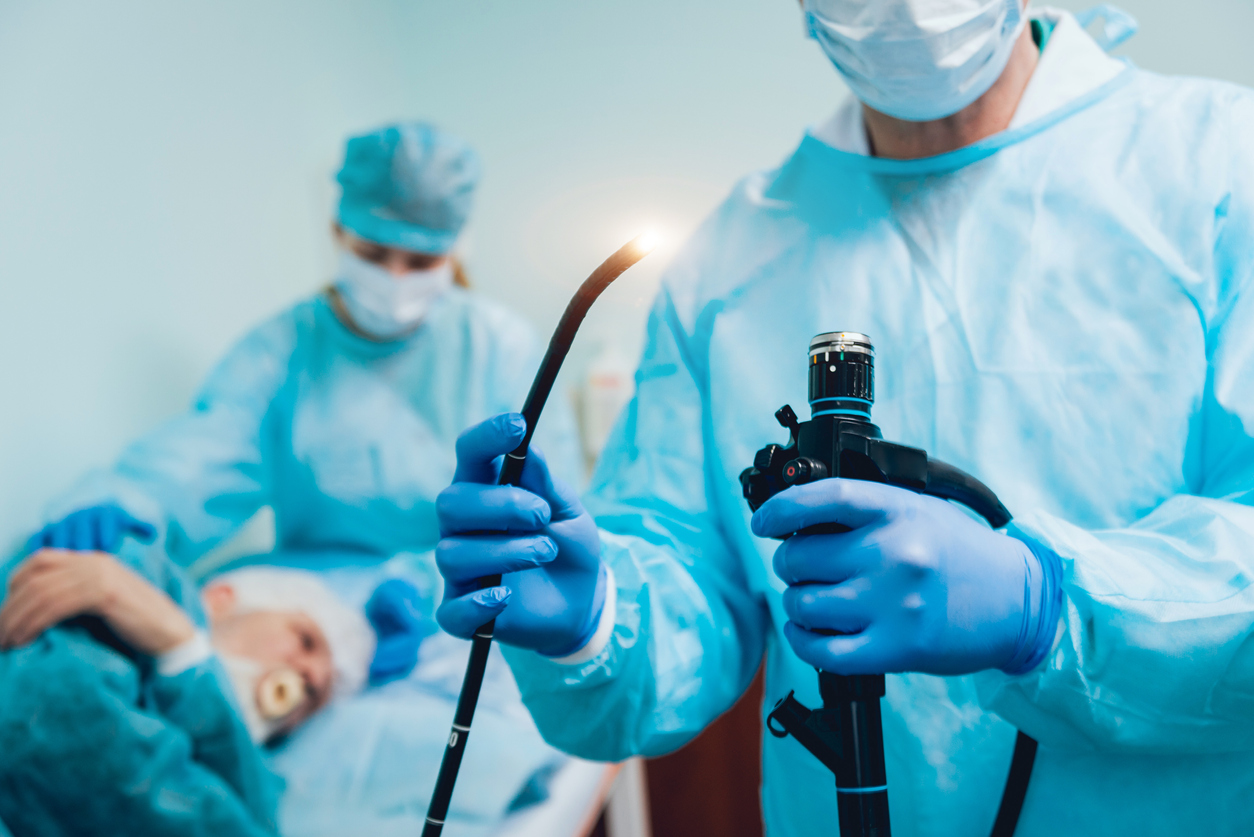
A colonoscopy is an endoscopic examination that uses a long, flexible tube with a small camera attached to the end—called a colonoscope—to view the interior lining of the colon and rectum. This procedure allows doctors to detect inflammation, ulcers, polyps, tumors, or other abnormalities that may not be visible through imaging alone.
The colonoscope is inserted through the rectum and gently navigated through the large intestine. The live video feed is displayed on a monitor, enabling real-time evaluation. If necessary, tools can be inserted through the tube to take biopsies or remove polyps during the procedure.
Who Needs a Colonoscopy?
Colonoscopy is most commonly recommended for:
- Individuals aged 45 and older for routine colorectal cancer screening
- People with a family history of colon cancer or polyps
- Patients experiencing gastrointestinal symptoms like rectal bleeding, chronic diarrhea, constipation, or unexplained weight loss
- Individuals with inflammatory bowel disease (Crohn’s or ulcerative colitis)
- Follow-up to abnormal results from other tests, such as a stool DNA test or sigmoidoscopy
Regular screening via colonoscopy is considered the gold standard in early cancer detection and prevention.
Preparing for the Procedure
Preparation is a crucial part of the colonoscopy process, as a clean colon enables a clear view during the examination. Poor preparation can lead to inconclusive results or the need to repeat the procedure.
Bowel Prep
A bowel cleanse is required before the colonoscopy. This typically involves:
- A clear liquid diet starting 24 hours before the procedure (broth, tea, apple juice, clear sodas)
- Avoiding red or purple liquids, which can mimic blood in the colon
- Taking a prescribed laxative solution (often a polyethylene glycol-based drink) to flush the colon
- Frequent trips to the bathroom as the bowel is emptied
Staying well-hydrated and closely following your provider’s instructions is key to a successful preparation.
Medication Adjustments
Some medications may need to be stopped or adjusted before the procedure, including:
- Blood thinners
- Diabetes medications
- Iron supplements
Always consult your doctor before making any changes to your medication routine. You may also be asked about allergies to anesthesia or a history of adverse reactions to sedatives.
The Day of the Colonoscopy
On the day of your colonoscopy, you’ll be asked to arrive at the clinic or hospital with a responsible adult, as sedation will be used, and you will not be able to drive afterward.
Before the Procedure
- You’ll change into a hospital gown
- An IV line will be placed for sedative medication
- Vital signs will be monitored
- A brief consultation may be done to review your medical history and confirm prep success
Most patients receive moderate or deep sedation to ensure comfort and relaxation during the procedure. In some cases, general anesthesia may be used.
What Happens During the Colonoscopy
Once the sedation takes effect, the colonoscope is gently inserted through the rectum. The scope is slowly advanced through the colon, with air or carbon dioxide introduced to expand the intestinal walls for better visibility.
During the procedure, the doctor will:
- Examine the lining of the colon
- Look for polyps, ulcers, or inflammation
- Remove small polyps with a snare or forceps if needed
- Take biopsies from suspicious areas for lab analysis
The entire procedure usually lasts between 20 to 45 minutes, depending on the findings and whether additional interventions are needed.
After the Procedure
Following the colonoscopy, you’ll be taken to a recovery area while the sedation wears off. Most patients can go home within an hour or two. A companion must drive you home, as the sedatives can affect your judgment and coordination for several hours.
Post-Procedure Expectations
- Mild cramping, bloating, or gas due to the air introduced during the procedure
- Slight rectal soreness if polyps were removed
- A small amount of blood in the first stool, which is normal after biopsy or polyp removal
Your doctor may discuss preliminary findings right after the procedure, and biopsy results (if any) are usually available within a few days.
Risks and Complications
While colonoscopy is generally very safe, as with any medical procedure, there are potential risks:
- Bleeding, especially if a polyp was removed
- Perforation of the colon wall (rare but serious)
- Adverse reaction to sedatives
- Infection (extremely rare)
It’s essential to contact your provider if you experience:
- Heavy bleeding
- Severe abdominal pain
- Fever or chills
- Dizziness or persistent nausea
Fortunately, serious complications are rare, and most patients recover quickly without incident.
Colonoscopy vs. Other Screening Methods
While several non-invasive screening tests exist (like stool-based tests or CT colonography), colonoscopy remains the most comprehensive method. It allows for:
- Direct visualization of the entire colon
- Immediate biopsy and polyp removal
- Long intervals between screenings (usually 10 years if normal)
This makes colonoscopy both diagnostic and preventive—offering the opportunity to stop cancer before it starts.
When Should You Schedule a Colonoscopy?
If you’re 45 or older and have never had a colonoscopy, now is the time to speak with your healthcare provider. Earlier screening may be necessary if you:
- Have a family history of colorectal cancer or polyps
- Have symptoms like rectal bleeding, persistent constipation, or unexplained abdominal pain
- Have been diagnosed with conditions like inflammatory bowel disease or genetic syndromes associated with cancer risk
Proactive screening is life-saving.
Conclusion: A Small Step Toward Major Prevention
Colonoscopy may seem daunting, but it’s one of the most powerful tools in modern medicine for preventing colorectal cancer and diagnosing severe gastrointestinal conditions early. With proper preparation and a knowledgeable care team, the procedure is safe, manageable, and highly effective.
Don’t wait for symptoms to appear. Discuss with your healthcare provider when to begin screening and what to expect. A colonoscopy is not just a medical procedure—it’s an investment in your long-term health.