Understanding Acid Reflux: Causes and Modern Treatments
Introduction: What Is Acid Reflux?
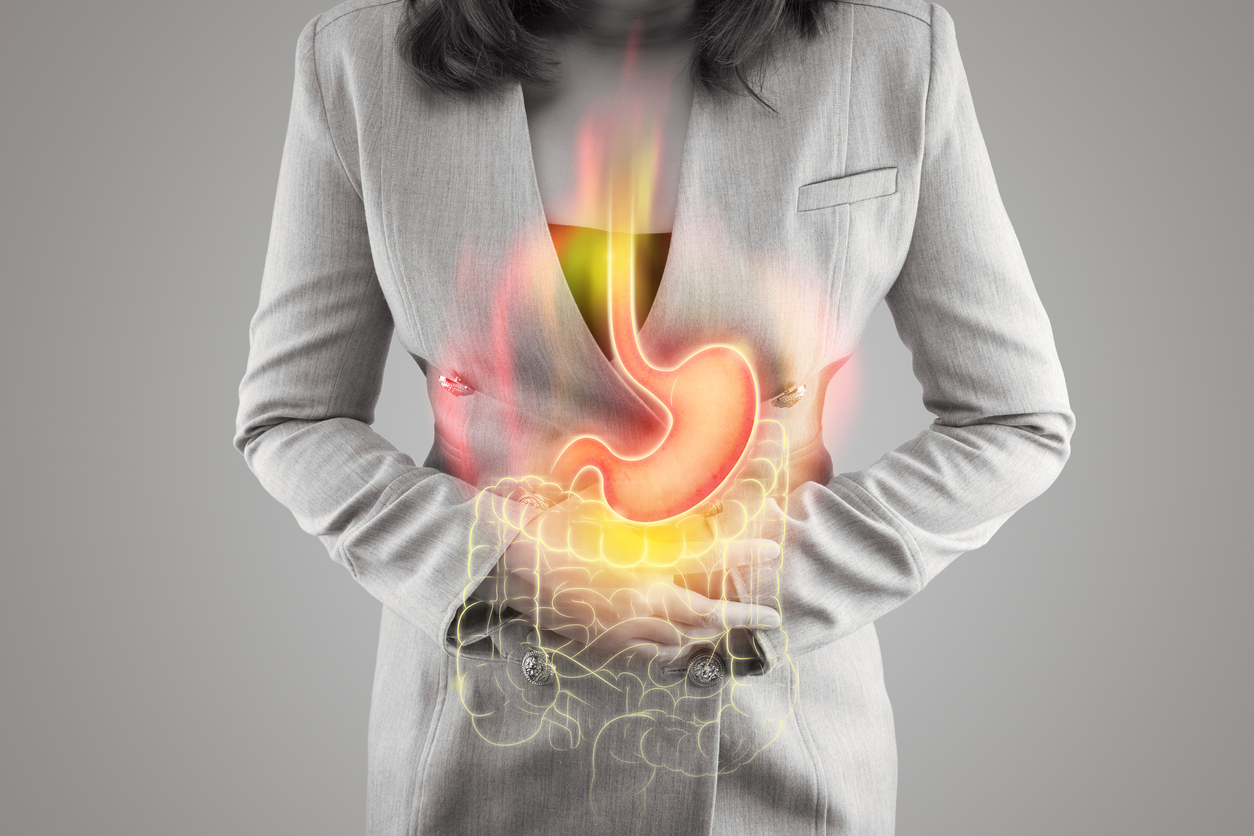
Acid reflux, also known as gastroesophageal reflux (GER), occurs when stomach acid flows backward into the esophagus—the tube connecting your mouth and stomach. This backward flow irritates the lining of the esophagus, leading to a burning sensation in the chest, commonly referred to as heartburn. While nearly everyone experiences reflux at some point, frequent or severe episodes may indicate a more serious condition known as gastroesophageal reflux disease (GERD).
More than just an occasional nuisance, untreated acid reflux can interfere with daily life and lead to long-term health issues. Understanding the causes and available treatments is essential for managing symptoms and preventing complications.
Common Causes of Acid Reflux
Several factors can lead to or worsen acid reflux. Often, it’s a combination of lifestyle habits, physiological conditions, and even the foods you consume.
Weak Lower Esophageal Sphincter (LES)
The lower esophageal sphincter is a band of muscle that opens to allow food into the stomach and then closes to prevent acid from refluxing back up. If the LES becomes weak or relaxes inappropriately, stomach contents can flow back into the esophagus, causing reflux.
Dietary Triggers
Certain foods are more likely to trigger acid reflux, particularly when consumed in large quantities or close to bedtime. These include:
- Spicy foods
- Citrus fruits
- Tomato-based products
- Onions and garlic
- Chocolate
- Caffeinated drinks
- Carbonated beverages
- Alcohol
- Fatty or fried foods
These foods either relax the lower esophageal sphincter (LES) or increase stomach acid production, making reflux more likely.
Lifestyle and Behavioral Habits
Habits and behaviors can play a significant role in acid reflux development:
- Eating large meals or lying down right after eating
- Wearing tight clothing around the abdomen
- Smoking, which weakens the LES
- Eating too quickly without chewing thoroughly
- Eating late at night before lying down
These behaviors increase pressure in the stomach or reduce lower esophageal sphincter (LES) function, creating an environment conducive to reflux.
Obesity and Pregnancy
Both obesity and pregnancy increase abdominal pressure, which can force stomach acid up into the esophagus. In pregnant women, hormonal changes can further relax the lower esophageal sphincter (LES), thereby compounding the effect.
Medical Conditions and Medications
Certain medical conditions, such as hiatal hernia or gastroparesis (delayed stomach emptying), can lead to chronic reflux. In addition, medications like NSAIDs, calcium channel blockers, sedatives, and certain asthma drugs may exacerbate symptoms.
Symptoms of Acid Reflux
Acid reflux can present with a variety of symptoms, many of which can mimic other conditions. The most common symptoms include:
- A burning sensation in the chest (heartburn)
- Sour or bitter taste in the throat or mouth
- Regurgitation of food or acid
- Difficulty swallowing (dysphagia)
- The sensation of a lump in the throat
- Chronic cough, especially at night
- Hoarseness or sore throat
It’s important to note that not everyone with acid reflux experiences heartburn. Silent reflux, also known as laryngopharyngeal reflux (LPR), may produce symptoms such as hoarseness, cough, or throat irritation but without the typical burning sensation.
Short-Term Treatments for Acid Reflux
Managing acid reflux starts with alleviating current symptoms and preventing future episodes. Short-term solutions often involve lifestyle changes and over-the-counter medications.
Lifestyle Adjustments
Simple daily changes can significantly reduce acid reflux frequency and severity:
- Eat smaller, more frequent meals instead of large meals
- Avoid lying down or going to bed within 2-3 hours of eating
- Elevate the head of your bed by 6–8 inches
- Wear loose-fitting clothing to reduce abdominal pressure
- Avoid trigger foods and drinks
- Stay upright after meals to allow gravity to assist digestion
Consistency with these habits can dramatically reduce reflux symptoms.
Over-the-Counter Medications
There are several types of medications commonly used to relieve acid reflux:
- Antacids: Provide quick relief by neutralizing stomach acid (e.g., Tums, Maalox, Rolaids)
- H2 blockers: Reduce acid production (e.g., famotidine, ranitidine)
- Proton pump inhibitors (PPIs): Stronger acid reducers used for persistent symptoms (e.g., omeprazole, lansoprazole)
These medications are generally safe for short-term use; however, a healthcare provider should guide long-term use to minimize potential side effects.
Long-Term and Advanced Treatment Options
For chronic or severe reflux, long-term strategies may include prescription medications, diagnostic evaluation, or even surgical intervention.
Prescription Medications
If over-the-counter drugs fail to provide relief, doctors may prescribe higher doses of H2 blockers or PPIs. Long-term use of PPIs should be monitored due to potential risks such as nutrient malabsorption, bone fractures, and kidney issues.
Diagnostic Testing
When symptoms persist, or complications are suspected, your doctor may recommend:
- Endoscopy: A camera-equipped scope used to examine the esophagus for inflammation, ulcers, or Barrett’s esophagus
- pH monitoring: Measures how often acid enters the esophagus over 24 hours
- Esophageal manometry: Assesses esophageal muscle contractions and LES function
These tests help rule out more serious conditions and inform treatment decisions.
Surgical Options
In rare cases where lifestyle changes and medications aren’t enough, surgical treatment may be considered:
- Fundoplication: The upper part of the stomach is wrapped around the LES to strengthen it and prevent reflux
- LINX device: A ring of magnetic beads is implanted to reinforce the LES while allowing food passage
- Endoscopic therapies: Newer, less invasive procedures that aim to tighten the LES or reduce acid exposure
Surgery is generally reserved for patients with severe GERD, poor medication response, or significant esophageal damage.
Complications of Untreated Acid Reflux
Ignoring chronic acid reflux can lead to serious health issues. If left unmanaged, it may cause:
- Esophagitis: Inflammation of the esophagus, which can cause bleeding or ulcers
- Barrett’s esophagus: A condition where esophageal cells change and increase the risk of cancer
- Esophageal stricture: Narrowing of the esophagus due to scar tissue
- Tooth enamel erosion: From acid reaching the mouth
- Respiratory issues: Including chronic cough, asthma-like symptoms, and aspiration pneumonia
Proper treatment and monitoring are essential to prevent these complications.
When to See a Doctor
It’s time to consult a healthcare provider if you:
- Experience symptoms more than twice per week
- Rely on over-the-counter medications regularly
- Have trouble swallowing or persistent throat irritation
- Notice unintentional weight loss or frequent vomiting
- Develop chest pain or breathing issues
These signs may indicate more serious conditions like GERD or even esophageal cancer, which require prompt medical attention.
Conclusion: Taking Control of Acid Reflux
Acid reflux is a manageable condition with a variety of treatment options tailored to your symptoms and lifestyle. From simple dietary adjustments to advanced medical therapies, there are effective ways to find relief and protect your esophageal health.
Whether you’re dealing with occasional discomfort or struggling with chronic symptoms, don’t wait to take action. Discuss the best plan with your doctor, stay consistent with any changes, and be proactive about screenings. Relief is possible—and a healthier digestive system starts with informed choices.