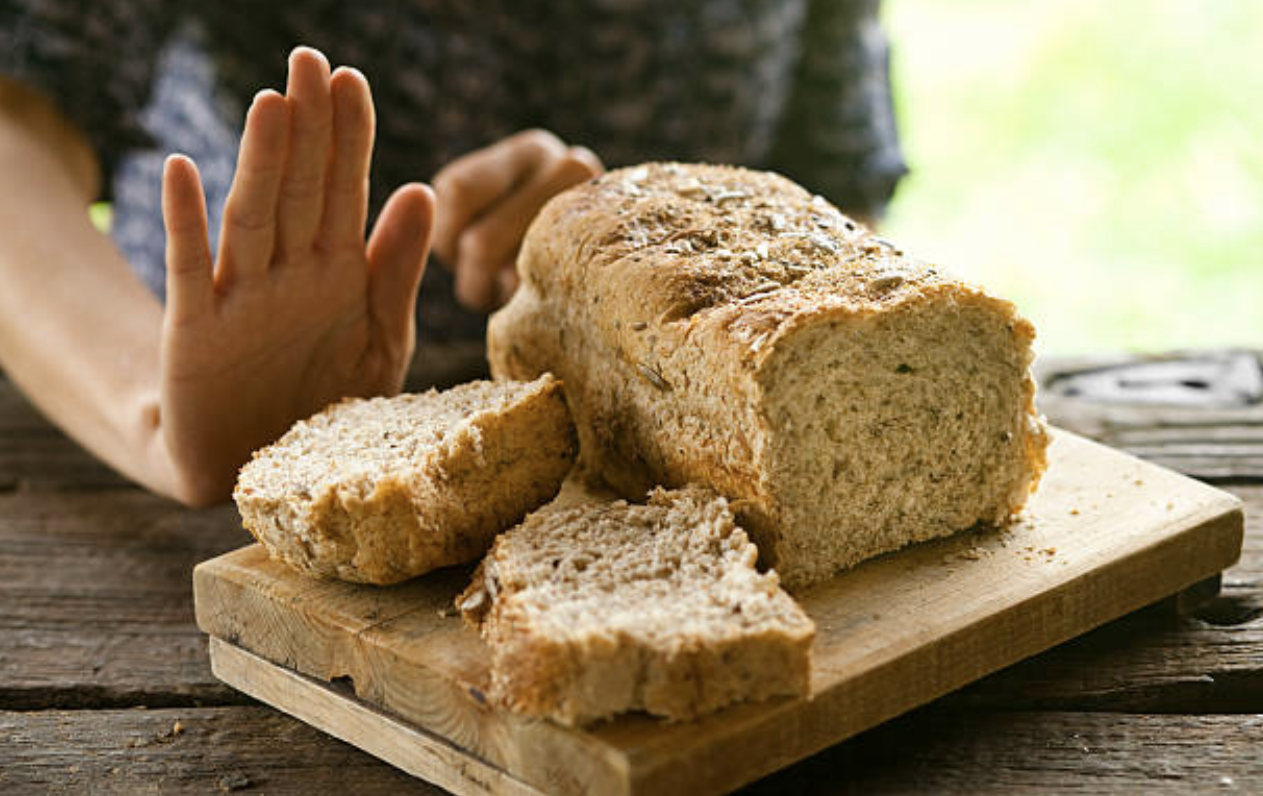
Celiac Disease and Diet: What You Can and Can’t Eat
Introduction: Why Food Matters in Celiac Disease
Celiac disease is an autoimmune disorder triggered by gluten—a protein found in wheat, barley, and rye. When people with this condition consume gluten, it triggers an immune response that damages the small intestine, resulting in a wide range of symptoms and long-term complications if not properly managed.
Because food is the source of the problem, it is also the solution. A strict, lifelong gluten-free diet is the only effective treatment for celiac disease. This makes dietary choices a central part of managing and living with the condition. For those newly diagnosed, understanding which foods are safe—and which aren’t—is crucial to protecting your health and maintaining a high quality of life.
The Role of Gluten in Celiac Disease
Gluten is a naturally occurring protein that provides elasticity and chewiness to dough. It’s found in everyday staples such as bread, pasta, cereal, and baked goods. In individuals with celiac disease, gluten acts as a harmful trigger that causes the immune system to attack the lining of the small intestine. This damage prevents the absorption of essential nutrients, such as iron, calcium, and folate.
Even tiny amounts of gluten from cross-contamination can cause harm, which is why vigilance in food selection, preparation, and labeling is necessary.
Symptoms Related to Food Exposure
Symptoms of celiac disease can vary from person to person and may affect both the digestive system and other parts of the body. Food-related symptoms typically include:
- Bloating and abdominal pain after meals
- Chronic diarrhea or constipation
- Nausea or vomiting
- Gas and indigestion
- Unexplained weight loss or growth problems in children
Beyond digestion, some people may experience fatigue, anemia, joint pain, skin rashes, or depression—especially if they’ve been unknowingly consuming gluten.
Safe Foods on a Celiac Diet
Thankfully, many nutritious and delicious foods are naturally gluten-free. A well-rounded gluten-free diet includes:
- Fruits and vegetables: Fresh, frozen, or dried produce without added sauces or seasonings
- Proteins: Unprocessed meat, poultry, seafood, eggs, and legumes
- Grains: Rice, quinoa, corn, millet, buckwheat, and certified gluten-free oats
- Dairy: Milk, yogurt, and cheese, unless they contain additives
- Nuts and seeds: Plain and unsalted varieties
- Oils and fats: Olive oil, butter, coconut oil, and avocado oil
Always check labels—even foods that seem naturally gluten-free may have additives or be processed in facilities that handle gluten.
Foods to Avoid
Avoiding gluten completely means steering clear of anything made with:
- Wheat (including varieties like spelt, farro, and durum)
- Barley
- Rye
- Triticale (a wheat-rye hybrid)
- Malt (often made from barley and used as a flavoring or sweetener)
Common gluten-containing foods include:
- Bread, bagels, and baked goods
- Pasta and noodles
- Breakfast cereals (unless labeled gluten-free)
- Crackers, cookies, and pastries
- Soy sauce, salad dressings, and sauces thickened with flour
- Beer and malt beverages
Gluten can also be found in unexpected places, such as candy, bouillon cubes, and certain medications or supplements. When in doubt, check the ingredient list or opt for certified gluten-free options.
Dining Out and Cross-Contamination
Dining out can be one of the biggest challenges for people with celiac disease. Cross-contamination can occur when gluten-free foods come into contact with gluten-containing foods, surfaces, or utensils.
To reduce risk when eating at restaurants:
- Choose places with a dedicated gluten-free menu
- Inform the staff of your diagnosis, not just a preference
- Ask how meals are prepared and whether separate cooking areas and tools are used
- Avoid fried foods unless cooked in dedicated gluten-free fryers
- Skip buffets or salad bars where utensils may be shared
Planning and asking questions can make eating out a safer and more enjoyable experience.
Reading Food Labels
Packaged foods require scrutiny. In the U.S., food labeled “gluten-free” must meet FDA standards and contain less than 20 parts per million of gluten. Still, not all gluten-free foods are healthy, as many are highly processed and low in nutrients.
Key tips when reading labels:
- Look for the “gluten-free” certification for peace of mind.
- Check for wheat, barley, and rye in the ingredient list.
- Be cautious with terms like “natural flavors” or “modified food starch,” which may be derived from gluten unless otherwise stated.
- Contact the manufacturer if the ingredients are unclear or if you have any questions.
Be especially cautious with processed meats, sauces, canned soups, and snack foods, as they often contain hidden sources of gluten.
Nutritional Balance on a Gluten-Free Diet
While avoiding gluten is essential, it’s equally important to eat a well-balanced diet that supports overall health. People with celiac disease are at risk for deficiencies in:
- Iron
- Calcium
- Folate
- Fiber
- Vitamin D
- Vitamin B12
To offset this, focus on:
- Whole, unprocessed foods
- High-fiber gluten-free grains like quinoa and brown rice
- Leafy greens, legumes, and fortified gluten-free products
- Taking supplements if advised by a healthcare provider
Consulting a dietitian experienced in celiac disease can help you build a personalized, nutrient-rich eating plan tailored to your specific needs.
Adjusting to a Gluten-Free Lifestyle
Switching to a gluten-free diet can feel overwhelming at first, but it becomes more manageable with time. Support groups, cookbooks, and celiac-friendly blogs or apps can offer recipes, meal ideas, and restaurant tips.
Tips for a smooth transition:
- Cook at home more often to control ingredients
- Stock your kitchen with trusted gluten-free staples
- Meal prep to avoid reaching for unsafe convenience foods
- Stay educated—new products and labeling laws evolve frequently
As symptoms subside and your gut begins to heal, you’ll likely experience improved energy, better digestion, and a higher quality of life.
Conclusion: Food as Medicine for Celiac Disease
Celiac disease is managed—not cured—by food. Adhering to a gluten-free diet is more than a lifestyle choice; it’s the foundation of long-term health and the prevention of serious complications. With the right food choices and support system, living gluten-free can become second nature.
If you suspect gluten may be affecting your health, don’t begin a gluten-free diet without medical evaluation. Testing must be done while gluten is still in your system. A proper diagnosis followed by a carefully managed diet is the most effective way to take control of celiac disease and thrive.