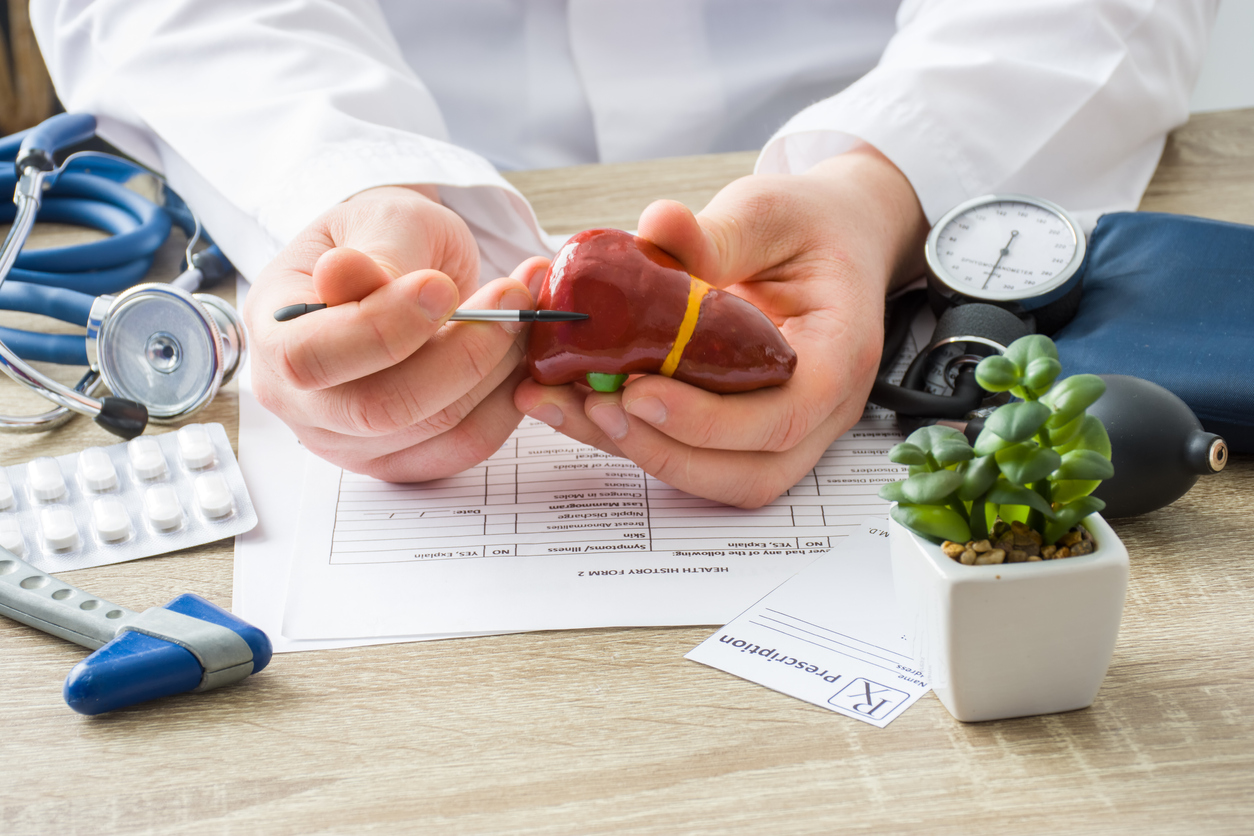
Alcoholic Liver Disease Stages and Treatment Every Patient Needs
Alcoholic liver disease is one of the most common — and most preventable — causes of serious liver injury worldwide. It develops through years of excessive alcohol consumption, progressing through stages from fatty liver to inflammation to scarring, and ultimately to cirrhosis and liver failure in the most severe cases. Because alcoholic liver disease causes little or no symptoms in its early stages, many patients do not know their liver is being damaged until significant and sometimes irreversible harm has already occurred. Understanding the stages of this condition, the warning signs that demand medical attention, and the treatment steps that protect the liver are essential for anyone whose alcohol use puts them at risk.
What Is Alcoholic Liver Disease?
Alcoholic liver disease encompasses a spectrum of liver conditions caused directly by heavy, sustained alcohol consumption. The liver metabolizes the majority of alcohol ingested, and during this process produces toxic byproducts that trigger inflammation, oxidative stress, and cellular damage. Three main stages of alcoholic liver disease — alcoholic fatty liver, alcoholic hepatitis, and alcoholic cirrhosis — represent a progression of severity that correlates with the duration and quantity of alcohol exposure.
Stage One: Alcoholic Fatty Liver
Alcoholic fatty liver, or steatosis, develops in up to 90 percent of heavy drinkers as excess fat accumulates in liver cells. This earliest stage of alcoholic liver disease is generally reversible with alcohol cessation — stopping drinking allows the liver to clear the accumulated fat within weeks. Most patients with alcoholic fatty liver have no symptoms and are unaware of the condition. It is frequently discovered incidentally through elevated liver enzymes on routine blood tests or imaging performed for other reasons.
Stage Two: Alcoholic Hepatitis
Alcoholic hepatitis is inflammation of the liver triggered by heavy alcohol use, occurring in some but not all heavy drinkers with fatty liver. It can develop suddenly with severe symptoms including jaundice, fever, abdominal pain, and rapid liver function decline, or present more insidiously with gradual worsening. Severe alcoholic hepatitis carries a very high short-term mortality — up to 30 to 40 percent in the most severe cases. Complete alcohol cessation is essential, and corticosteroids are used in eligible patients with severe disease.
Stage Three: Alcoholic Cirrhosis
Alcoholic cirrhosis is the end stage of alcoholic liver disease, in which normal liver tissue is replaced by extensive fibrous scarring. The scarred liver cannot perform its essential functions effectively — filtering blood, producing clotting factors and proteins, metabolizing medications, and regulating blood sugar. Cirrhosis from alcoholic liver disease is largely irreversible, though stopping alcohol can slow progression and allow partial stabilization of liver function in patients who still have significant residual liver reserve.
Symptoms of Alcoholic Liver Disease
Early stages of alcoholic liver disease cause few or no symptoms. As the condition advances, patients may notice fatigue, abdominal discomfort in the upper right area, and loss of appetite. In alcoholic hepatitis, jaundice — yellowing of the skin and eyes — becomes visible. Advanced cirrhosis produces more dramatic symptoms including abdominal swelling from fluid accumulation, leg swelling, easy bruising and bleeding, confusion from hepatic encephalopathy, and prominent veins on the abdominal wall.
How Much Alcohol Causes Liver Disease?
The risk of developing alcoholic liver disease increases significantly with daily consumption exceeding two to three standard drinks for women and three to four for men, with heavier and more prolonged consumption associated with greater severity. However, individual susceptibility varies considerably — genetic factors, sex, body weight, nutritional status, and concurrent hepatitis B or C infection all influence who develops alcoholic liver disease at a given level of consumption. Women develop liver injury at lower alcohol intake levels than men due to differences in alcohol metabolism.
Diagnosing Alcoholic Liver Disease
Diagnosis of alcoholic liver disease involves a thorough alcohol use history, physical examination, blood tests including liver enzymes, bilirubin, and coagulation studies, and imaging with ultrasound or CT. The AST-to-ALT ratio greater than two suggests alcoholic liver disease when elevated liver enzymes are present. Liver biopsy provides definitive information about the stage and severity of injury but is not always necessary. Other causes of liver disease must be excluded to confirm alcohol as the primary cause.
Alcohol Cessation: The Most Critical Step
Complete and sustained alcohol cessation is the single most important intervention in alcoholic liver disease at every stage. Stopping alcohol allows the liver to begin healing, halts progressive damage, and dramatically improves long-term outcomes at all but the most advanced stages. For patients with alcohol dependence, cessation requires medical supervision to manage withdrawal safely, which can be life-threatening without appropriate monitoring and medication. Addiction treatment support is an essential component of comprehensive alcoholic liver disease care.
Medical Treatment of Alcoholic Hepatitis
In addition to alcohol cessation, patients with severe alcoholic hepatitis require specific medical treatment. Corticosteroids, most commonly prednisolone, reduce liver inflammation and improve short-term survival in patients with severe disease who have no contraindications such as active infection. Nutritional support is critical because alcoholic hepatitis patients are frequently malnourished, and aggressive nutritional intervention improves outcomes. Patients who do not respond to steroids may be candidates for liver transplantation evaluation at specialized centers.
Managing Complications of Alcoholic Cirrhosis
Alcoholic cirrhosis management focuses on preventing and treating its complications. Ascites — fluid accumulation in the abdomen — is managed with low-sodium diet and diuretics, with repeated drainage procedures for refractory cases. Hepatic encephalopathy, caused by toxin accumulation in the blood, is treated with lactulose and rifaximin. Esophageal varices — enlarged veins at risk for catastrophic bleeding — require monitoring, blood-pressure-lowering medications, and endoscopic treatment when present.
Liver Transplantation for Alcoholic Liver Disease
Liver transplantation is the only definitive treatment for end-stage alcoholic cirrhosis in patients who do not recover adequate liver function after alcohol cessation. Most transplant programs require a period of documented sobriety before listing, though some centers are evaluating early transplantation in carefully selected patients with severe alcoholic hepatitis who have not responded to medical therapy. Transplantation outcomes in appropriately selected patients with alcoholic liver disease are comparable to other indications.
Nutritional Deficiencies in Alcoholic Liver Disease
Alcohol interferes with the absorption and metabolism of numerous nutrients, and patients with alcoholic liver disease commonly suffer deficiencies in thiamine, folate, vitamin B12, zinc, magnesium, and vitamin D. Thiamine deficiency is particularly serious, causing Wernicke encephalopathy — a neurological emergency. Thiamine supplementation is routinely provided to patients with significant alcoholic liver disease. Nutritional assessment and targeted supplementation are important components of comprehensive management.
Screening for Liver Cancer in Alcoholic Cirrhosis
Patients with alcoholic cirrhosis face elevated risk of hepatocellular carcinoma — liver cancer. Surveillance ultrasound every six months, sometimes combined with blood AFP measurement, allows early detection when the tumor is small and potentially treatable. This surveillance must continue indefinitely for patients with cirrhosis, even in those who have successfully stopped drinking, because the cancer risk from established cirrhosis persists regardless of subsequent sobriety.
Mental Health and Addiction Treatment in ALD
Alcohol use disorder is a medical condition with strong psychological and neurobiological components, not simply a matter of willpower. Effective treatment of alcoholic liver disease requires integrating addiction medicine or behavioral health support alongside gastroenterology care. Medications including naltrexone, acamprosate, and baclofen help reduce alcohol craving and support sobriety. Cognitive behavioral therapy and peer support programs provide the behavioral framework many patients need to maintain abstinence long-term.
Preventing Alcoholic Liver Disease
Alcoholic liver disease is entirely preventable by avoiding excessive alcohol consumption. For individuals who already drink heavily, reducing consumption before liver disease has progressed beyond the fatty liver stage allows the liver to recover fully. Regular liver function blood tests for people with significant alcohol use can detect early injury before symptoms appear, creating an opportunity for intervention at a reversible stage. Education, early identification, and compassionate clinical guidance remain the most powerful preventive tools available.
Seeking Care for Alcohol-Related Liver Concerns
Anyone with significant alcohol use history, unexplained fatigue, elevated liver enzymes, or abdominal symptoms should be evaluated by a gastroenterologist or hepatologist. Early detection of alcoholic liver disease — particularly at the fatty liver or early hepatitis stage — offers the greatest opportunity for meaningful intervention and recovery. A gastroenterologist can evaluate liver function and damage, provide clear guidance on the severity and implications of any findings, and connect patients with the addiction support resources that comprehensive recovery requires.
Call To Action
If you are experiencing digestive symptoms or are due for preventive screening, expert gastroenterology care can help. Learn more about available services or request an appointment with GI Associates today.
Citations
NIH – Alcoholic Liver Disease
https://www.niddk.nih.gov/health-information/liver-disease/alcoholic-liver-disease
Mayo Clinic – Alcoholic Hepatitis
https://www.mayoclinic.org/diseases-conditions/alcoholic-hepatitis
Cleveland Clinic – Alcoholic Liver Disease
https://my.clevelandclinic.org/health/diseases/15749-alcoholic-liver-disease
For education only, not medical advice.