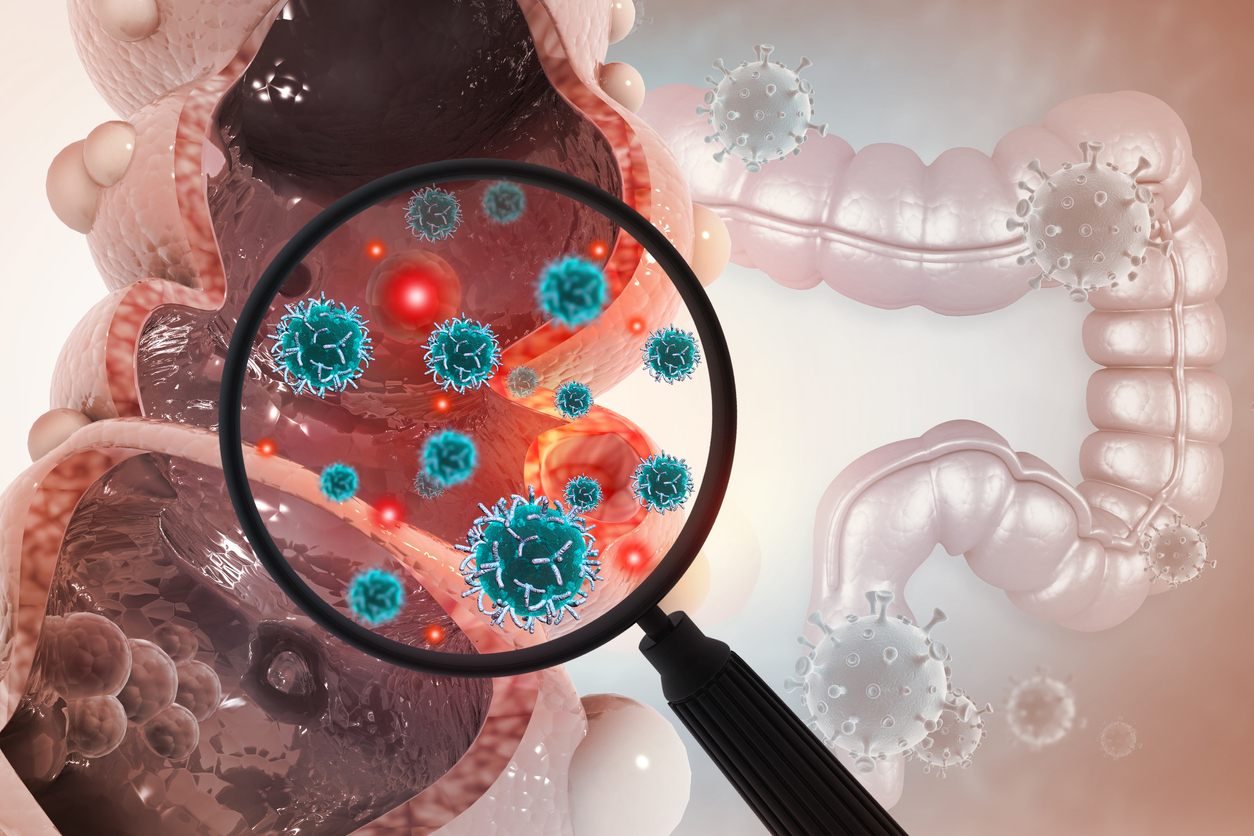
Colon Cancer Screening: Proven Ways to Stay Ahead
Colon cancer screening is one of the most effective ways to prevent serious disease and detect warning signs early. Regular screening not only saves lives but also helps doctors remove precancerous growths before they develop into cancer. Despite its effectiveness, millions of people delay or skip their screening. At Gastrointestinal Associates (GI Associates), we work to change that through education, compassion, and advanced technology.
Colon cancer remains the third most common cancer diagnosed in both men and women, but it is also one of the most preventable. Early detection through colonoscopy and other screening tools has reduced death rates dramatically over the last 20 years. The key is consistency and awareness—knowing when to schedule your exam, how to prepare, and why it matters.
If you’re ready to protect your digestive health, visit GI Associates to request your colonoscopy consultation or learn more about preventive care services. For an overview of screening guidelines, explore the CDC’s colorectal cancer resource center.
What is colon cancer screening?
Colon cancer screening is the process of detecting abnormal growths or polyps in the large intestine before they become cancerous. The most reliable method is a colonoscopy, a procedure that allows gastroenterologists to view the entire colon and remove any polyps immediately.
At GI Associates, we emphasize preventive screenings because early detection makes treatment easier and outcomes far better. The American Cancer Society recommends that adults at average risk begin screening at age 45.
For clinical details on how colon cancer forms and the importance of early testing, visit the National Cancer Institute’s colon cancer overview.
Why colon cancer screening saves lives
Colon cancer often develops silently. In its early stages, it rarely causes symptoms, meaning most patients feel healthy until the disease has progressed. Screening breaks that silence. When polyps are found and removed early, the risk of developing cancer drops significantly.
A single colonoscopy can prevent cancer for up to ten years. It’s not only an early detection tool—it’s active prevention. That’s why GI Associates prioritizes colon cancer screening as part of every long-term health plan.
For additional insights, the American Cancer Society provides comprehensive statistics on the success of early detection.
The right age to start screening
The new standard for colon cancer screening begins at age 45. However, people with family history or other risk factors may need to begin earlier. Conditions such as Crohn’s disease, ulcerative colitis, and a personal or family history of polyps elevate risk levels.
If any of these apply to you, schedule a conversation with a GI Associates specialist to personalize your screening plan. We’ll review your health background and determine how often you should return for follow-up exams.
You can also learn about personalized prevention on the GI Associates Digestive Health page.
Colonoscopy: the gold standard in prevention
While several stool-based or at-home tests exist, colonoscopy remains the most accurate and comprehensive form of colon cancer screening. It provides both diagnostic and therapeutic value—meaning it can detect and remove precancerous polyps during the same visit.
At GI Associates, our physicians use high-definition imaging and gentle sedation to ensure comfort and precision. The procedure typically lasts less than an hour and requires only minimal recovery time.
To better understand the science behind colonoscopy accuracy, the National Institutes of Health offers detailed studies showing its superior detection rates compared to other methods.
Preparing for a colonoscopy
Preparation has come a long way. While the idea of bowel prep may sound intimidating, most patients find it easier than expected. A clear-liquid diet, along with a prescribed prep solution, helps clean the colon so your doctor can see clearly.
GI Associates provides customized prep plans designed around your comfort and schedule. Following your prep instructions carefully is the best way to ensure accurate results and a smooth experience.
The Mayo Clinic offers practical advice for colonoscopy preparation and what to expect before your procedure.
What to expect during the procedure
A colonoscopy is a quick, safe, and well-tolerated process. You’ll receive a light sedative that allows you to relax and rest comfortably. The doctor uses a thin, flexible tube with a small camera to examine the colon lining. If polyps are detected, they can often be removed on the spot.
Most patients wake up feeling refreshed and relieved that the process was simpler than anticipated. You can resume normal activities the next day, though having a friend or family member accompany you home is recommended.
For safety and procedural standards, see the American Society for Gastrointestinal Endoscopy guide on colonoscopy protocols.
Common myths about colon cancer screening
Even with widespread education, myths about colonoscopy still discourage some patients. Let’s set the record straight:
-
- “It’s painful.” The procedure is performed under sedation; most patients feel nothing.
-
- “It’s risky.” Colonoscopy is one of the safest medical procedures, with serious complications being extremely rare.
-
- “I don’t need screening if I feel fine.” Colon cancer often develops without symptoms. Prevention requires early checks, not late reactions.
Our team at GI Associates ensures every patient feels informed, comfortable, and supported throughout the process.
Lifestyle habits that support prevention
Colon cancer screening is powerful, but lifestyle choices still play a vital role in prevention. A diet rich in fiber, whole grains, and plant-based foods supports gut health and reduces inflammation. Regular exercise, hydration, and maintaining a healthy weight further reduce your risk.
Avoid smoking, limit alcohol consumption, and monitor digestive symptoms such as rectal bleeding or unexplained changes in bowel habits.
For science-backed nutritional advice, review the World Health Organization’s cancer prevention recommendations.
The link between early detection and long-term health
Every successful colon cancer screening prevents potential years of treatment, discomfort, and anxiety. Detecting and removing polyps early eliminates the disease before it starts, leading to lower mortality rates and longer life expectancy.
GI Associates combines preventive screening with ongoing digestive wellness management, ensuring each patient receives comprehensive support.
If it’s been more than a decade since your last colonoscopy—or if you’ve never had one—schedule your screening today through GI Associates.
Cost, insurance, and accessibility
Most insurance plans, including Medicare, cover colon cancer screening as a preventive service. That means no out-of-pocket costs for eligible patients. Our billing staff at GI Associates can verify your benefits and provide transparency before your appointment.
Preventive screenings are not only life-saving—they’re cost-saving. Catching polyps early prevents expensive treatments down the line, aligning with nationwide healthcare efficiency goals.
For federal coverage details, consult the Centers for Medicare & Medicaid Services preventive screening guide.
Understanding your results
After your procedure, your GI Associates doctor will review the findings with you. If polyps were removed, pathology results typically arrive within a few days. Most findings are benign, but even if follow-up care is needed, early intervention ensures the best possible outcomes.
We store patient results securely in our digital portal, making follow-ups easy to access and track over time.
How often should you repeat screening?
For average-risk adults, colon cancer screening via colonoscopy is recommended every 10 years. However, if polyps are found or you have additional risk factors, your provider may suggest shorter intervals.
GI Associates tracks every patient’s screening history to ensure timely reminders. Consistency is key—prevention works only when it’s maintained.
Call to action
Colon cancer screening is prevention in action. It’s one of the simplest and most effective steps you can take to protect your future health. At Gastrointestinal Associates, our specialists combine compassion with advanced diagnostic care to make the process comfortable and rewarding.
Schedule your colonoscopy today by visiting GI Associates online or calling our office to speak with a care coordinator. You deserve peace of mind, better health, and confidence in your preventive care.
Educational content only. Not a substitute for professional medical advice.