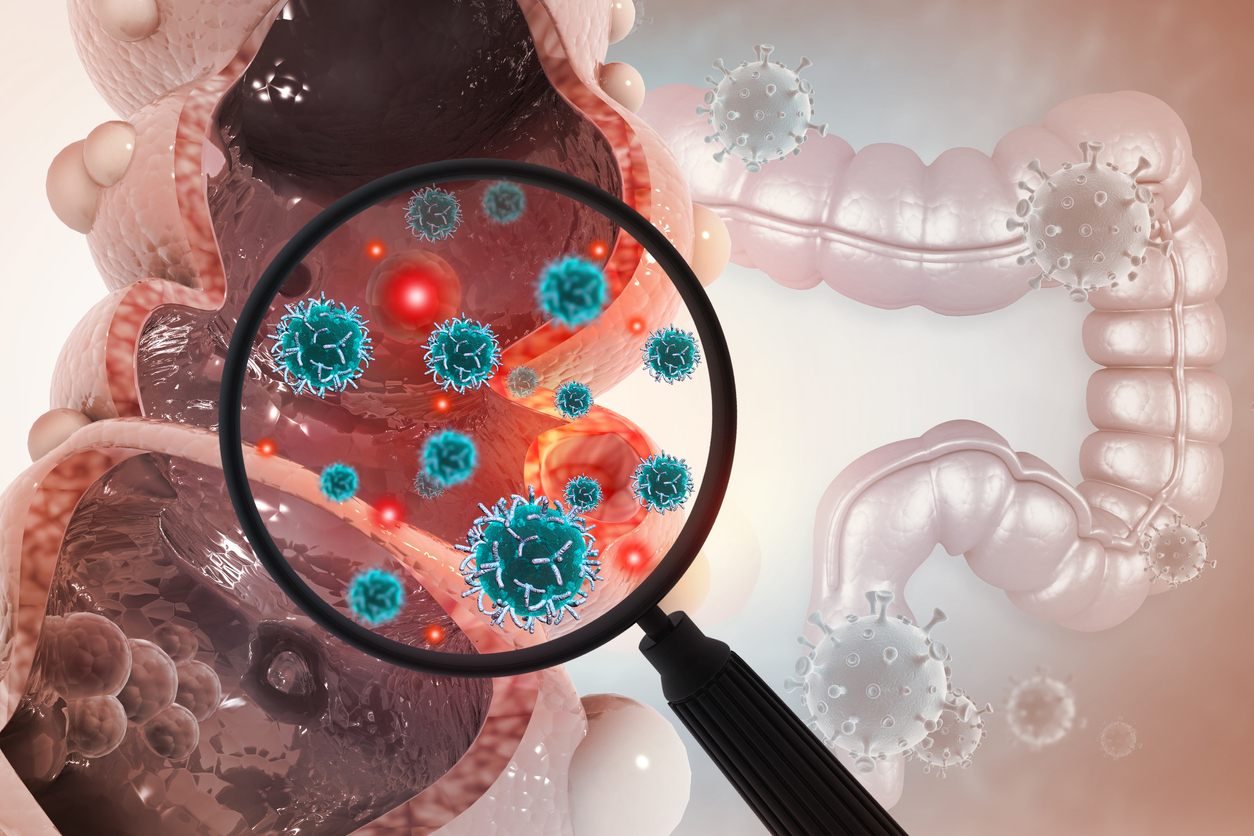
Colon Cancer: Smoking and Symptoms
Colon cancer, also known as colorectal cancer, is a malignant tumor that arises from the inner lining of the colon or rectum. It is one of the most common types of cancer, affecting both men and women. Various risk factors contribute to the development of colon cancer, with smoking being a significant one. Understanding the link between smoking and colon cancer, along with recognizing the symptoms, is crucial for early detection and treatment.
Smoking and Colon Cancer
The Link Between Smoking and Colon Cancer
Smoking has long been associated with various types of cancer, including lung cancer. However, its role in the development of colon cancer is also significant. Tobacco smoke contains carcinogens that can affect the colon and rectum. These carcinogens are ingested through saliva and digestive juices, eventually reaching the colon, where they can cause mutations in the cells lining the colon, leading to cancer.
Increased Risk
Studies have shown that smokers are at a higher risk of developing colon cancer compared to non-smokers. The risk increases with the number of years and the amount of smoking. Long-term smokers have a higher likelihood of developing polyps, which are precancerous growths in the colon, and these polyps can evolve into cancer over time.
Smoking and Recurrence
Smoking not only increases the risk of developing colon cancer but also affects the prognosis of individuals who have been treated for the disease. Smokers are more likely to experience a recurrence of colon cancer and have a higher mortality rate compared to non-smokers.
Symptoms of Colon Cancer
Colon cancer symptoms can vary depending on the stage of the disease and the location of the tumor within the colon or rectum. Early stages of colon cancer may not cause any noticeable symptoms, making regular screening essential. As the disease progresses, symptoms become more apparent.
Changes in Bowel Habits
One of the most common symptoms of colon cancer is a change in bowel habits. This can include diarrhea, constipation, or a change in the consistency of the stool. Individuals may notice that they are unable to empty their bowels completely or may experience an increase in the frequency of bowel movements.
Blood in Stool
Blood in the stool is a significant symptom of colon cancer. It can appear as bright red blood or cause the stool to be dark and tarry. Blood in the stool can result from bleeding in the colon or rectum and should always be evaluated by a healthcare professional.
Abdominal Pain and Discomfort
Colon cancer can cause persistent abdominal pain, cramping, and discomfort. This pain may be localized to a specific area or be more generalized. Individuals may also experience bloating and a feeling of fullness even after eating a small amount of food.
Unexplained Weight Loss
Unintentional weight loss is a common symptom of many types of cancer, including colon cancer. The disease can cause a decrease in appetite and an increase in metabolic rate, leading to significant weight loss without any changes in diet or exercise.
Fatigue and Weakness
Chronic fatigue and weakness are common symptoms of colon cancer. The disease can cause anemia due to chronic blood loss, leading to a feeling of constant tiredness and a lack of energy.
Nausea and Vomiting
As colon cancer progresses, it can cause a blockage in the colon, leading to nausea and vomiting. This blockage can prevent the normal passage of food and waste through the digestive tract.
Conclusion
Colon cancer is a serious disease with significant risk factors and symptoms that can affect an individual’s quality of life. Smoking is a major risk factor for colon cancer, increasing the likelihood of developing the disease and experiencing a recurrence. Recognizing the symptoms of colon cancer, such as changes in bowel habits, blood in the stool, abdominal pain, unexplained weight loss, fatigue, and nausea, is essential for early detection and treatment. Regular screening and lifestyle changes, such as quitting smoking, can help reduce the risk of colon cancer and improve outcomes for those diagnosed with the disease. If you experience any of these symptoms or have concerns about colon cancer, it is important to consult with a healthcare professional for a thorough evaluation and appropriate care.
Related Articles
“`html
Importance of Regular Screening
Regular screening for colon cancer is a vital preventive measure, especially for individuals with risk factors such as smoking. Screening tests like colonoscopies can detect precancerous polyps, allowing for their removal before they transform into cancer. Early detection through screening significantly increases the chances of successful treatment and can even prevent the development of colon cancer altogether. It is recommended that individuals begin regular screening at age 45, or earlier if they have a family history of the disease or other risk factors.
Discussing screening options with a healthcare provider can help determine the most appropriate schedule and method based on personal risk factors. This proactive approach empowers individuals to take control of their health and reduces the likelihood of advanced disease development.
Steps to Reduce Risk
While smoking is a significant risk factor for colon cancer, there are several lifestyle changes individuals can make to reduce their overall risk. Quitting smoking is one of the most effective ways to lower the risk of colon cancer and improve overall health. Resources such as smoking cessation programs, support groups, and counseling can provide the necessary support and guidance for individuals looking to quit smoking.
In addition to quitting smoking, maintaining a healthy diet rich in fruits, vegetables, and whole grains can contribute to a lower risk of colon cancer. Regular physical activity, maintaining a healthy weight, and limiting alcohol consumption are also important steps in reducing cancer risk. These lifestyle changes not only decrease the likelihood of developing colon cancer but also enhance overall well-being and reduce the risk of other chronic diseases.
“`