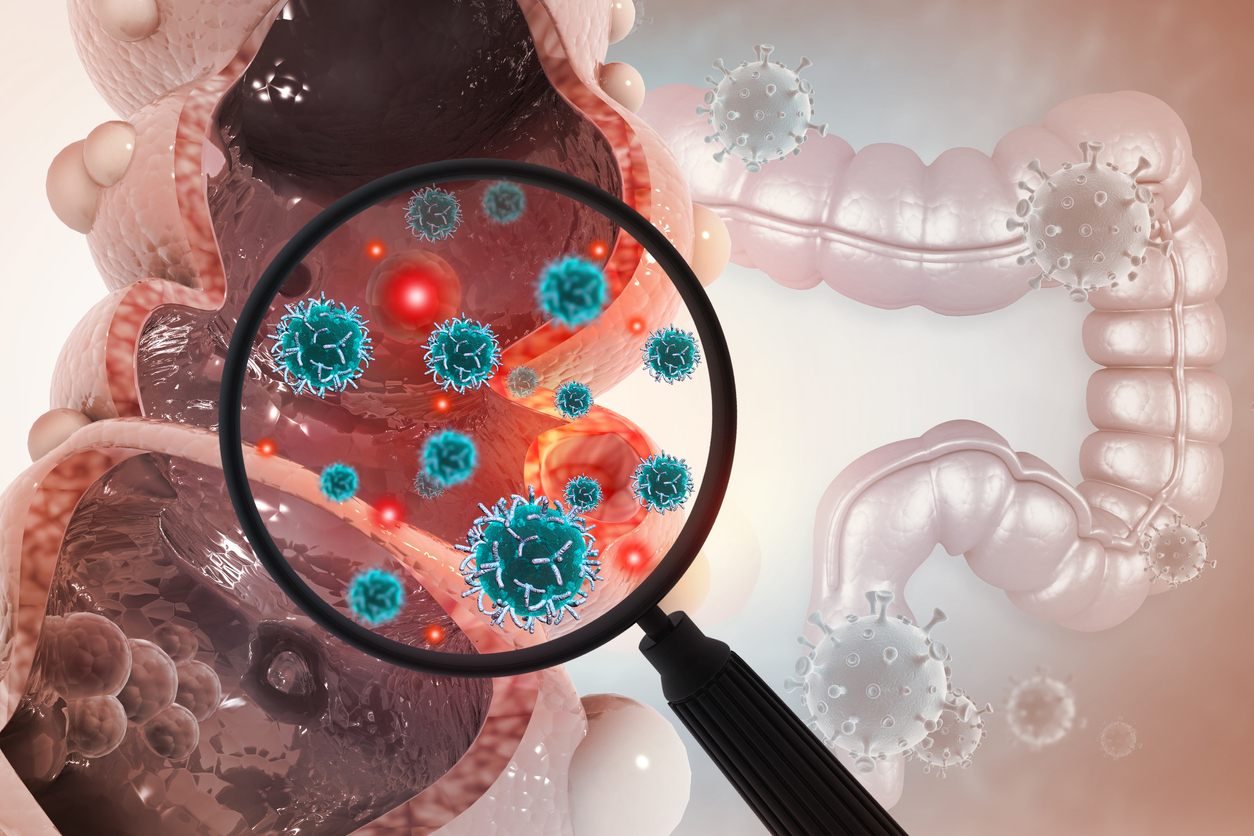
Colon Cancer, What Causes It?
Colon cancer, also known as Colorectal cancer or CRC, is the third most common type of cancer, and with a lifetime risk of 1 in 20, it’s not something to be taken lightly. Colorectal cancer starts when cells in your colon begin to grow out of control. When this happens, these cells can form tumors that can spread into nearby organs or tissues, including lymph nodes and other body parts.
CRC usually develops slowly over many years as abnormal cells gradually accumulate near the tumor’s center. In some cases, though, colon cancers are fast-growing and aggressive; they may spread quickly throughout the abdomen at first. Colorectal cancers that have already metastasized (spread) generally don’t cause bowel bleeding or pain because there is no longer anything left inside them to bleed from or irritate.
The cause of CRC is not fully understood, but some things seem to make it more likely.
Causes of Colon Cancer
There is no one definitive cause of colorectal cancer, but there are certain things that can increase your risk. Some of the most common causes of CRC include:
– Age: Colon cancer is most common in adults over the age of 50.
– Diet: A diet high in red and processed meats can increase your risk of developing colorectal cancer.
– Smoking: Cigarette smoking is a known risk factor for many types of cancer, including CRC.
– Obesity: People who are obese have a higher risk of developing colon cancer.
– Lack of Exercise: A lack of exercise can also increase your risk of developing colorectal cancer.
– Genetics: CRC can also be hereditary, meaning it runs in families. If you have a family history of colon cancer, you may want to talk to your doctor about getting screened at an earlier age.
– Certain medical conditions: Colorectal cancer can also be caused by other medical conditions, such as Crohn’s disease and ulcerative colitis.
How to Reduce Risk of Colon Cancer?
There are several ways to reduce your risk of developing colon cancer. Some of the most effective methods include:
– Eating a healthy diet: A diet high in fruits, vegetables, and whole grains can help reduce your risk of Colon cancer. Avoid eating processed meats, and limit your intake of red meat.
Exercising regularly: Exercise helps keep your body healthy and reduces your risk of many types of cancer. Quitting smoking: If you smoke, quitting is one of the best things you can do for your health. Cigarette smoking is a significant risk factor for CRC.
– Maintaining a healthy weight: People who are obese have a higher risk of colorectal cancer. Losing weight if you’re overweight can help reduce your risk.
– Getting screened regularly: If you have a family history of Colon cancer, you may want to talk to your doctor about getting screened at an earlier age. Regular screenings can help detect CRC early when it’s more likely to be treated successfully.
Symptoms of Colon Cancer
Colorectal cancer often doesn’t cause any symptoms in the early stages. When symptoms do develop, they may include:
– Blood in your stool: This is the most common symptom of CRC. Blood may appear as red streaks in your stool, or it may be darker than average.
– Diarrhea or constipation: Colon cancer can cause either diarrhea or constipation, depending on where the tumor is located.
– Abdominal pain and cramping: Colorectal cancer can cause pain and cramping in the abdomen.
– Weakness and fatigue: CRC can cause you to feel weak and tired.
– Loss of appetite: Colon cancer can cause you to lose your appetite and weight.
Treatment for Colon Cancer
Colorectal cancer is a severe disease, but it can be treated successfully if it’s caught early. Treatment options include surgery, chemotherapy, and radiation therapy.
- Surgery is the most common treatment for Colon cancer. Depending on the size and location of the tumor, your surgeon may remove part or all of your colon.
- Chemotherapy is a type of medication that kills cancer cells. It’s often used to treat colorectal cancer that has spread to other parts of the body.
- Radiation therapy uses radiation to kill cancer cells. It’s sometimes used to treat CRC that has spread to the liver or lungs.
Conclusion
Colon cancer is a severe disease that can be treated successfully if it’s caught early. You can do several things to reduce your risk of developing colorectal cancer, including eating a healthy diet, exercising regularly, and getting screened regularly. Symptoms include:
- Blood in the stool.
- Diarrhea or constipation
- Abdominal pain and cramping
- Weakness and fatigue
Treatment options include surgery, chemotherapy, and radiation therapy.
“`html
Understanding the Risk Factors
Understanding the risk factors associated with colon cancer can empower you to make informed lifestyle choices that may help reduce your risk. While age is a significant factor, with individuals over 50 being more susceptible, it is important to recognize that lifestyle choices play a crucial role as well. A diet high in red and processed meats has been linked to an increased risk, possibly due to compounds formed during cooking that can damage the lining of the colon. Smoking is another critical factor, as it introduces carcinogens into the body, increasing the likelihood of cancerous growths. Obesity is also a concern, as excess body fat can lead to inflammation and insulin resistance, both of which are associated with cancer development. By understanding these risk factors, you can take proactive steps to modify your lifestyle and potentially lower your risk of colorectal cancer.
Genetics also play a role in colorectal cancer risk. If you have a family history of the disease, it is important to discuss this with your healthcare provider. Genetic counseling and testing may be recommended to assess your risk and determine an appropriate screening schedule. Additionally, certain inherited conditions, such as Lynch syndrome or familial adenomatous polyposis, significantly increase the risk of developing colorectal cancer. Being informed about your genetic predisposition can help you and your healthcare team create a personalized plan for monitoring and prevention.
Importance of Regular Screenings
Regular screenings are a vital component of colon cancer prevention and early detection. Screening methods such as colonoscopy, fecal occult blood tests, and sigmoidoscopy can identify precancerous polyps or early-stage cancer, often before symptoms appear. Detecting cancer early significantly improves treatment outcomes and survival rates. It is generally recommended that individuals at average risk begin screening at age 45, but those with a family history or other risk factors may need to start earlier. Consult with your healthcare provider to determine the best screening schedule for you.
In addition to early detection, regular screenings can provide peace of mind and reassurance. Knowing that you are actively monitoring your health can reduce anxiety and allow you to focus on maintaining a healthy lifestyle. If a screening test does identify abnormalities, your healthcare team can guide you through the next steps, which may include further testing or treatment options. Remember, taking charge of your health through regular screenings is a proactive measure that can make a significant difference in your long-term well-being.
“`