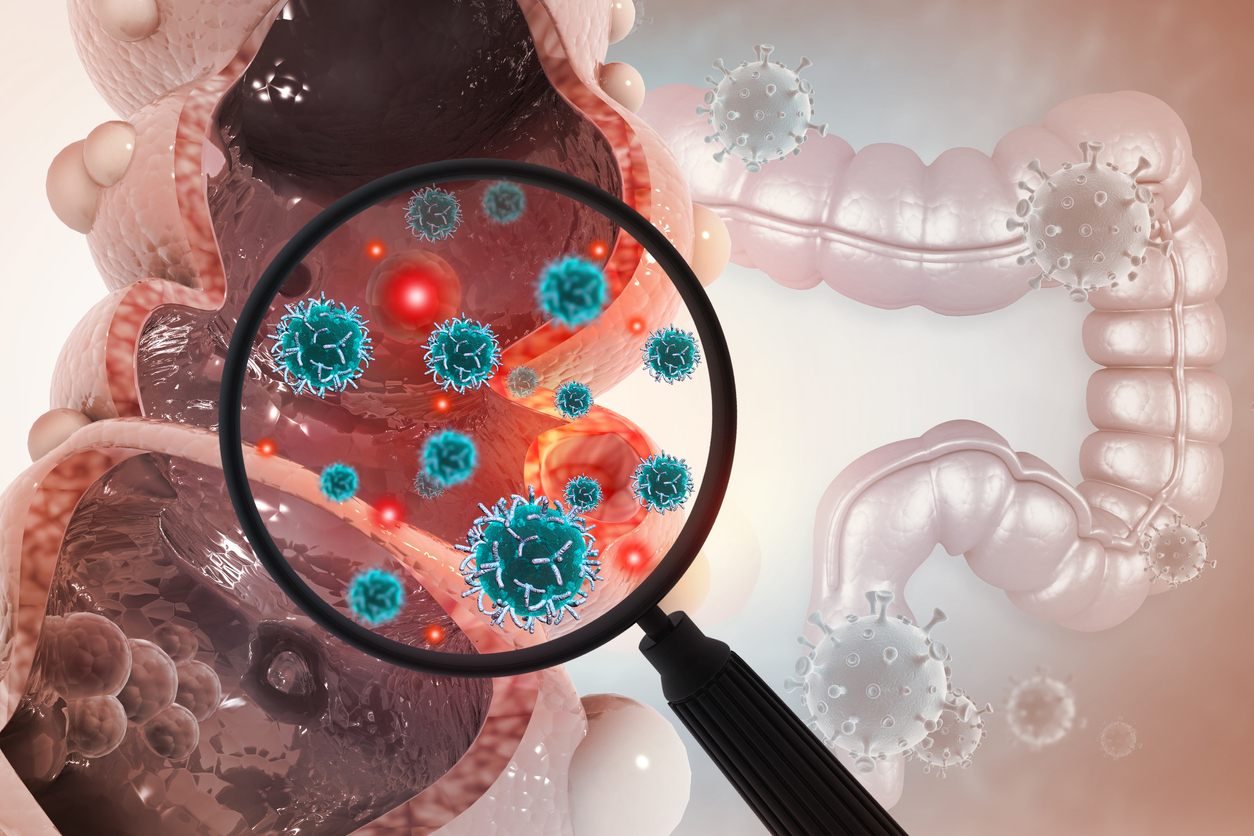
Colon Cancer, What Happens At The Different Stages?
Colon cancer, also known as colorectal cancer or CRC, is one of the most common types of cancer in the United States. It can often be treated successfully if it is caught early. However, many people are not aware of the symptoms of colorectal cancer or the different stages of the disease. This blog post will discuss the various stages of colon cancer and what you need to know about them.
What is Colon Cancer?
Colon cancer is a type of cancer that begins in the colon, a large, coiled tube in the digestive system. Collateral cancer accounts for about 9% of all new cancers in the United States. It is the third most common cancer in men and the second most common cancer in women.
The Stages of Colon Cancer
There are four stages of colon cancer:
Stage 1: The cancer is located only in the inner wall of the colon.
Stage 2: Cancer has spread to the outer wall of the colon or nearby lymph nodes.
Stage 3: Cancer has spread to other body parts, such as the liver or lungs.
Stage 4: The cancer is advanced and has spread throughout the body.
Symptoms of Colon Cancer
Colon cancer often does not cause any symptoms in its early stages. When symptoms do occur, they may include:
- Rectal bleeding: Rectal bleeding is often the first sign of CRC. It may be accompanied by blood in the stool, or it may occur independently. If you experience any rectal bleeding, see your doctor right away.
- Blood in stool: Blood in the stool can be a sign of many different things, including but not limited to colon cancer. If you experience blood in your stool, it is essential to see your doctor right away. There are many possible causes of blood in stool, and only a doctor can determine the cause and provide the appropriate treatment.
- Unintentionally losing weight: CRC can cause weight loss because it often causes nausea and vomiting. If you are not eating or drinking enough
- Weakness or Fatigue: If you feel weak or tired for no apparent reason, it could signify colon cancer. This is because cancer can interfere with the body’s ability to absorb nutrients from food. It may also reduce the amount of oxygen getting to the tissues, leading to fatigue.
- Abdominal pain or cramping: Colon cancer can cause pain in the lower abdomen and cramping. If you are experiencing abdominal pain or cramping, it is essential to see your doctor right away to determine the cause and receive appropriate treatment.
Treatment for Colon Cancer
Colorectal cancer is often advanced by the time it is diagnosed. Most people do not have any symptoms until the tumor progresses immensely. However, there are treatments available for CRC that can be effective if caught early.
Colon cancer treatments include surgery, radiation therapy, and chemotherapy. Surgery is the most common treatment for colon cancer. This involves removing the cancerous tumor and some healthy tissue around it.
Radiation therapy uses high-energy beams to kill cancer cells. It is often used in combination with surgery.
Chemotherapy is a type of medication that is used to kill cancer cells. It can be administered orally or through an injection. Colon cancer is often treated with a combination of these therapies.
How to Prevent Colon Cancer
Colorectal cancer is one of the most preventable types of cancer. You can do many things to reduce your risk of developing CRC.
Some ways to reduce your risk of colon cancer include:
- Eating a healthy diet: A healthy diet is vital for reducing your risk of many different types of cancer, including colon cancer. Eat plenty of fruits and vegetables, and stay away from processed foods.
- Exercising regularly: Exercise is another critical way to reduce cancer risk. It helps keep your body healthy and reduces the number of carcinogens (cancer-causing chemicals) that can build up in your body over time.
- Avoiding tobacco products: Tobacco products are a significant cause of cancer, including colorectal cancer.
- Getting screened regularly: CRC often has no symptoms until it is pretty advanced. It may be too late for treatment to be effective by that time. That is why it is vital to get screened regularly for colon cancer. Screening tests can detect the disease early when treatment is most likely to succeed.
Conclusion
Colon cancer is a disease that can be debilitating and life-threatening. Colon cancer symptoms may vary, but the stages of colon cancer will remain relatively unchanged throughout each step until it has been fully treated or left untreated.
Related Articles
“`html
Understanding the Importance of Screening
Early detection through regular screening is crucial in the fight against colon cancer. Screening can help identify precancerous polyps, which are abnormal growths in the colon or rectum that can be removed before they turn into cancer. The American Cancer Society recommends that individuals at average risk begin regular screening at age 45. However, if you have a family history of colorectal cancer or other risk factors, your doctor may suggest starting earlier. Common screening methods include colonoscopy, stool tests, and flexible sigmoidoscopy. Discuss with your healthcare provider which screening test is right for you and how often you should be tested.
It’s important to adhere to the recommended screening schedule, even if you do not have symptoms. Many cases of colon cancer are detected through routine screenings, allowing for early intervention and a greater chance of successful treatment. If you have concerns about the screening process or its preparation, talk to your healthcare provider, who can provide guidance and support.
Lifestyle Changes to Lower Your Risk
Adopting a healthy lifestyle can significantly reduce your risk of developing colon cancer. A diet rich in fruits, vegetables, and whole grains can support digestive health and reduce cancer risk. Limiting red and processed meats, which have been linked to an increased risk of colorectal cancer, is also recommended. Regular physical activity is another effective way to lower risk; aim for at least 150 minutes of moderate exercise or 75 minutes of vigorous exercise each week.
In addition to diet and exercise, avoiding tobacco products and limiting alcohol consumption can further decrease your risk. Smoking is a known risk factor for many types of cancer, including colorectal cancer, while excessive alcohol intake can also contribute to cancer development. Maintaining a healthy weight is crucial, as obesity is associated with an increased risk of colon cancer. By making these lifestyle changes, you not only reduce your risk of colon cancer but also improve your overall health and well-being.
“`