Colonoscopy Preparation: 9 Proven Steps for Success
A colonoscopy remains one of the most effective ways to prevent colon cancer. By detecting and removing polyps early, this simple procedure can stop cancer before it starts. Yet, many people hesitate because of one key part—the colonoscopy preparation. With a clear plan, hydration, and the right timing, prep doesn’t have to be stressful. GI Associates helps patients understand exactly how to prepare, what to eat, and what to expect before, during, and after the exam.
Why colonoscopy prep matters
The success of a colonoscopy depends on a clean colon. If stool residue remains, it can hide polyps or lesions that your doctor needs to see. An incomplete bowel prep may lead to missed findings or the need for repeat testing. The preparation process, though inconvenient, ensures accuracy and safety. According to the American College of Gastroenterology, patients who complete prep instructions fully are more likely to have a clear exam and less discomfort during the procedure.
When you follow your plan carefully, your doctor can perform a quicker, more comfortable, and more accurate screening.
Step 1: Confirm your instructions early
GI Associates provides specific colonoscopy preparation instructions tailored to each patient’s needs. These include the timing of your bowel prep medication, what liquids you can drink, and when to stop eating solid food. Always confirm your medication list—some blood thinners, diabetes drugs, or supplements may need adjustment. If you have questions about prep timing, contact GI Associates’ appointments page before the procedure date.
Step 2: Stock up on clear liquids
A “clear liquid diet” means fluids you can see through—like water, tea, black coffee (no cream), apple juice, and sports drinks without red or purple dye. Clear broth, popsicles, and gelatin are also good options. Staying hydrated is essential because bowel prep medications can cause fluid loss. Electrolyte drinks help replace sodium and potassium, keeping you energized.
For additional guidance, review hydration tips on the CDC’s healthy hydration page.
Step 3: Adjust your diet 3–5 days before
Start cutting back on high-fiber foods—such as nuts, seeds, whole grains, and raw vegetables—three to five days before your colonoscopy. These foods can leave residue in your colon that makes it harder to clean completely. Stick to soft, low-fiber foods like white rice, eggs, cooked vegetables, yogurt, and chicken.
Two days before your procedure, transition to light meals and focus on hydration. The day before, switch entirely to clear liquids until after your procedure.
Step 4: Take the prep medication as directed
The bowel prep solution clears your intestines so your doctor can see clearly during the exam. Most modern prep solutions come in smaller volumes and taste better than older formulas. You’ll likely take half the solution the evening before and the other half early in the morning of your procedure (a “split-dose” prep).
Follow your GI Associates instructions carefully—timing matters. If your test is in the afternoon, you may have more flexibility. Never adjust doses without checking with your provider first.
Step 5: Stay near a restroom
Once you drink the prep, expect multiple bowel movements within 1–2 hours. Keep bathroom supplies nearby—soft toilet paper, wipes, and a soothing barrier cream help prevent irritation. Most patients find that once the bowel movements turn from brown to clear yellow, their prep is complete.
Step 6: Know what to expect on procedure day
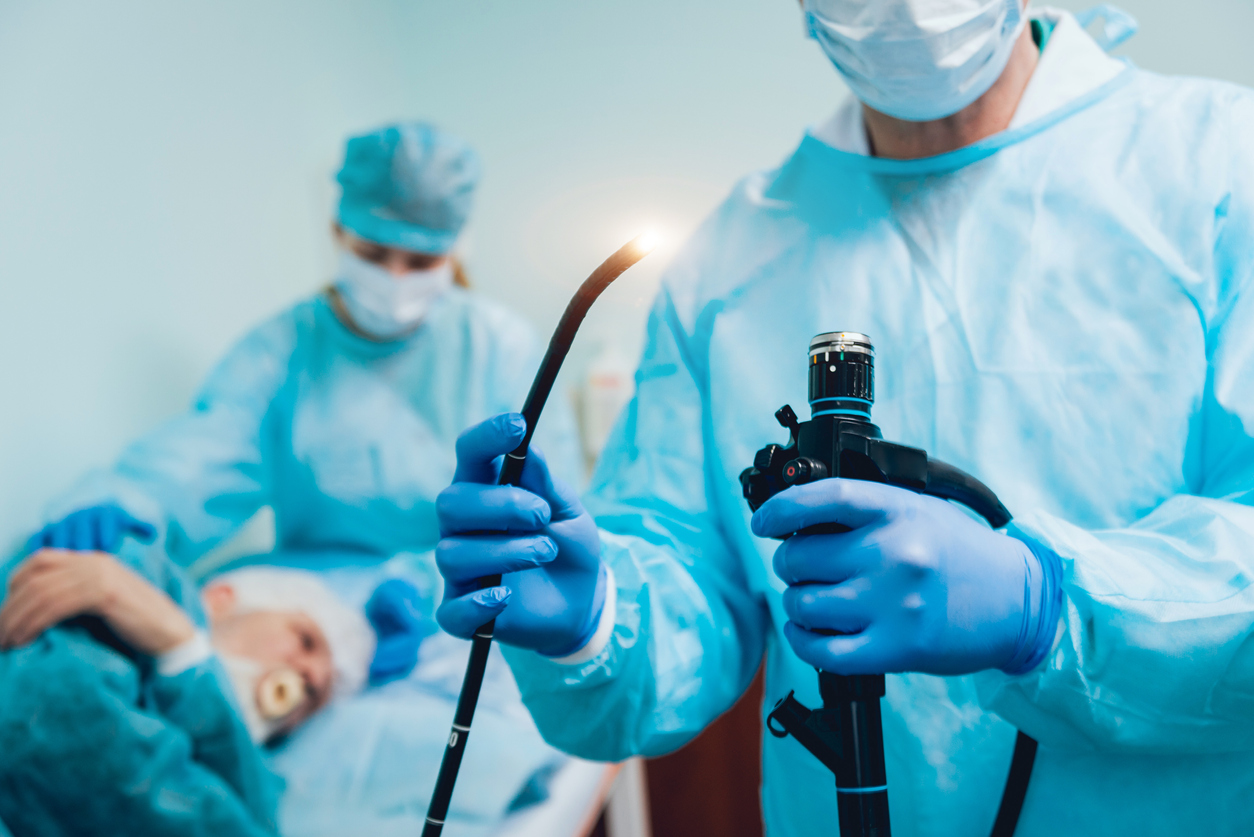
Arrive on time and bring a driver, as you’ll receive light sedation for comfort. The colonoscopy itself usually takes 30–45 minutes. Your doctor inserts a thin, flexible scope to view the colon and remove any polyps if needed. You’ll rest afterward until the sedative wears off and can usually resume eating later that day.
Step 7: Understand what your results mean
After your colonoscopy, your doctor will explain findings. Polyps are common, especially in adults over 50, and most are benign. If any are removed, they’ll be sent for lab testing. If your colon is clear, you may not need another colonoscopy for 10 years—unless you have a family history or other risk factors that call for earlier follow-up.
For more details, visit the American Cancer Society’s colonoscopy overview.
Step 8: Plan your post-procedure recovery
You’ll likely feel bloated or gassy for a few hours after the procedure due to the air introduced into your colon during the exam. Walking helps relieve discomfort. Start with light foods once you’re hungry—like soup, yogurt, or toast—and resume a normal diet the next day unless your doctor advises otherwise. Avoid alcohol or driving for 24 hours.
Step 9: Keep up with your follow-ups
If your doctor found polyps, you may need an earlier repeat colonoscopy—often in 3–5 years. If your exam was normal, you’re usually clear for a decade. GI Associates keeps records of your screening schedule to ensure reminders reach you on time. Early detection saves lives, and routine screening is the most reliable defense against colon cancer.
Common colonoscopy preparation mistakes
Even with clear instructions, people sometimes make avoidable errors that reduce visibility. Common pitfalls include:
- Eating solid food the day before the exam.
- Skipping half the prep dose because it “looked clear enough.”
- Drinking red or purple liquids that stain the colon.
- Taking fiber supplements or iron tablets too close to the procedure.
Avoid these mistakes by following GI Associates’ prep checklist. If in doubt, call your care team before the exam—clarity now prevents cancellations later.
When to contact your provider
Call GI Associates immediately if you experience severe vomiting, dizziness, or signs of dehydration during prep. Rarely, patients may have intolerance to certain prep solutions. If you’re diabetic, monitor blood sugar carefully and adjust medication per your doctor’s plan.
A smooth colonoscopy starts with preparation
A colonoscopy might seem daunting, but it’s one of the most powerful preventive tools in medicine. With proper prep, you make your screening easier, safer, and more accurate. At GI Associates, our gastroenterologists guide every step—from prep planning to post-procedure recovery—so you can focus on your health, not your worry.
Book your appointment today through our appointments page or find a nearby provider via locations.
Educational only; not medical advice.