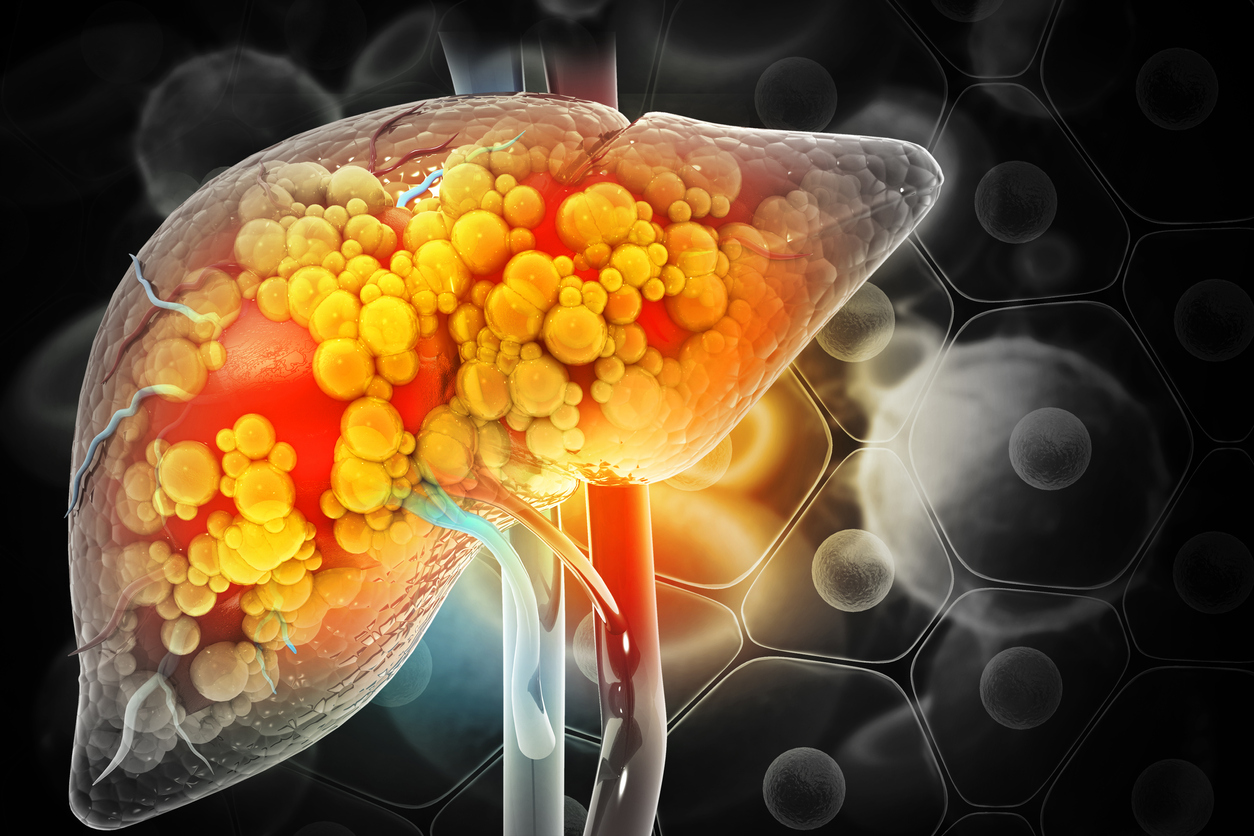
Fatty Liver Disease: Causes and Treatment Options
Fatty liver disease, characterized by the accumulation of excess fat in liver cells, is a growing health concern globally. It’s primarily divided into two types: non-alcoholic fatty liver disease (NAFLD) and alcoholic fatty liver disease (AFLD). Understanding the underlying causes and implementing effective treatments are crucial steps in managing and potentially reversing this condition.
Causes of Fatty Liver Disease
- Non-Alcoholic Fatty Liver Disease (NAFLD): NAFLD is the most common chronic liver condition in the Western world, closely linked to metabolic syndrome, which includes conditions such as obesity, type 2 diabetes, hyperlipidemia (high levels of fat in the blood), and hypertension (high blood pressure). Though the exact cause of NAFLD is not fully understood, insulin resistance plays a significant role in its development.
- Alcoholic Fatty Liver Disease (AFLD): AFLD is caused by excessive alcohol consumption. Alcohol can damage liver cells, leading to inflammation and scarring, which, over time, can accumulate fat in the liver.
Treatment for Fatty Liver Disease
The treatment of fatty liver disease focuses on addressing its root causes and preventing further liver damage. While there are currently no medications specifically approved for NAFLD or AFLD, adopting healthier lifestyle habits can significantly impact the disease’s progression.
Lifestyle Changes
- Weight Loss: For individuals with NAFLD, losing weight can reduce fat in the liver, inflammation, and fibrosis. A weight loss goal of 7-10% of body weight is recommended for significant health improvement.
- Healthy Diet: A diet rich in fruits, vegetables, whole grains, and lean proteins can help manage fatty liver disease. The Mediterranean diet, in particular, is beneficial for individuals with NAFLD due to its emphasis on healthy fats, such as olive oil, and its low content of saturated fats.
- Regular Exercise: Engaging in regular physical activity, even without weight loss, can help reduce liver fat. A combination of aerobic exercises, like walking or cycling, and resistance training is recommended.
- Avoid Alcohol: For those with AFLD, abstaining from alcohol is crucial. Reducing alcohol intake can also benefit individuals with NAFLD, as alcohol can exacerbate liver damage.
Medical Treatment
- Manage Underlying Conditions: Effectively managing conditions associated with metabolic syndrome, such as diabetes, hyperlipidemia, and hypertension, can help improve NAFLD.
- Medications: While specific medications for NAFLD or AFLD are not yet available, treatments for associated conditions, such as statins for high cholesterol or medications for diabetes control, can indirectly benefit liver health.
- Monitoring and Regular Check-ups: Regular follow-ups with a healthcare provider are essential for monitoring the liver’s condition and making necessary adjustments to the treatment plan.
Emerging Therapies and Research Directions
The field of hepatology is witnessing a concerted effort towards discovering effective treatments for fatty liver disease, with several promising therapies under investigation. One area of focus is on drugs that target metabolic pathways to reduce liver fat, improve insulin sensitivity, and decrease liver inflammation. Another promising avenue is the exploration of drugs that can enhance the liver’s ability to repair and regenerate itself, potentially reversing the damage caused by fatty liver disease. Clinical trials are also evaluating the efficacy of certain antioxidants and anti-fibrotic agents in managing this condition. While these emerging therapies offer hope, they underscore the importance of continued research and clinical trials to develop safe and effective treatments for individuals affected by fatty liver disease.
Future Directions
As the landscape of fatty liver disease treatment evolves, interdisciplinary approaches combining lifestyle interventions, pharmacotherapy, and potentially surgical options are emerging as key strategies in managing the disease. The future of fatty liver disease management is likely to be characterized by personalized medicine, where treatment plans are tailored to each individual’s genetic makeup, lifestyle, and disease severity. Innovations in diagnostic tools, such as non-invasive imaging technologies and biomarker discovery, will play a critical role in early detection, monitoring disease progression, and evaluating treatment efficacy. Furthermore, public health initiatives aimed at addressing the root causes of fatty liver disease, such as obesity and excessive alcohol consumption, will be integral in reducing the prevalence of this condition on a global scale.
Conclusion
Fatty liver disease poses a significant health challenge, but with early detection and appropriate lifestyle modifications, its progression can be slowed or even reversed. Weight management, dietary changes, and regular physical activity form the cornerstone of treatment for both NAFLD and AFLD. For those with underlying health conditions, managing these effectively is also key to improving liver health. Consulting with healthcare professionals for personalized advice and treatment plans is crucial for anyone dealing with or at risk for fatty liver disease.
“`html
Understanding the Risks and Complications
Fatty liver disease, if left unmanaged, can lead to more severe liver conditions. In NAFLD, the accumulation of fat can progress to non-alcoholic steatohepatitis (NASH), a more serious form of liver disease characterized by liver inflammation and damage. Over time, NASH can lead to fibrosis, where scar tissue forms in the liver, potentially progressing to cirrhosis, liver failure, or liver cancer. Similarly, AFLD can also progress through stages of liver damage, from simple fatty liver to alcoholic hepatitis and ultimately cirrhosis if alcohol consumption continues. Early detection and intervention are crucial to prevent these complications and maintain liver health.
It’s important for patients to understand that while fatty liver disease can be serious, early lifestyle interventions can significantly alter its course. Regular liver function tests and imaging studies, as advised by healthcare providers, are essential to monitor liver health and detect any progression of the disease at an early stage. Patients should also be aware of symptoms that may indicate liver damage, such as fatigue, jaundice, or abdominal pain, and seek prompt medical attention if these occur.
Support and Resources for Patients
Managing fatty liver disease can be challenging, but numerous resources and support systems are available to assist patients. Healthcare providers, including dietitians and nutritionists, can offer personalized guidance on dietary changes and exercise regimens tailored to individual needs. Support groups, both online and in-person, can provide encouragement and share strategies for maintaining a healthy lifestyle. These groups often include individuals who are managing similar health conditions, offering a sense of community and shared experience.
Educational resources, such as brochures, websites, and workshops, can further empower patients by providing reliable information about the disease, its management, and ongoing research. It’s important for patients to stay informed about new developments in the field of hepatology, as emerging therapies and clinical trials may offer additional treatment options in the future. Patients are encouraged to discuss any new information or treatment options with their healthcare providers to ensure they are making the best decisions for their health.
“`