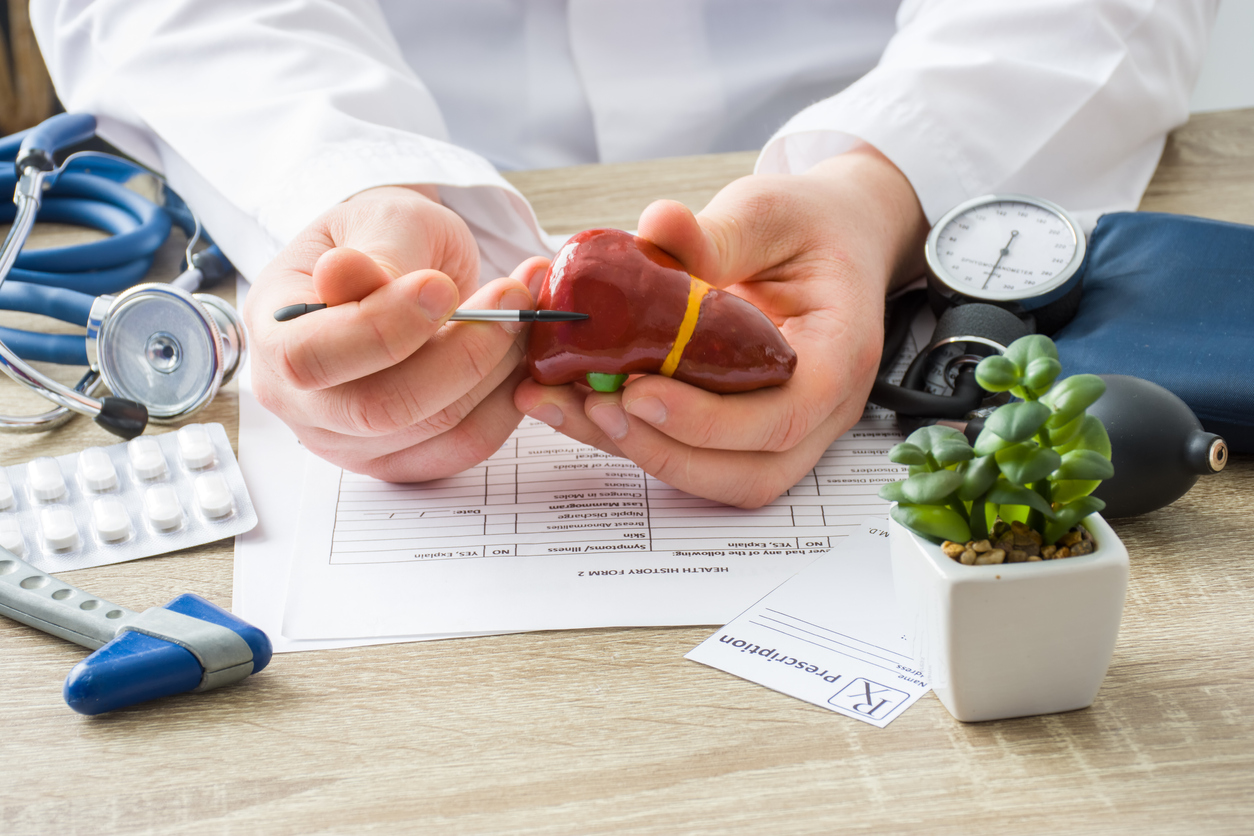
Gallstones Symptoms and Treatment Every Adult Should Recognize
Gallstones are hardened deposits that form inside the gallbladder, a small organ beneath the liver responsible for storing bile. They affect approximately 10 to 15 percent of adults in the United States and are one of the most common reasons for hospitalization related to digestive disease. While many gallstones cause no symptoms and require no treatment, others trigger episodes of severe abdominal pain and can lead to serious complications if left unaddressed. Understanding gallstone symptoms, who is most at risk, and what treatment options are available empowers patients to act before complications occur.
What Are Gallstones?
Gallstones are solid particles that crystallize from bile in the gallbladder. Cholesterol gallstones, by far the most common type, form when bile contains too much cholesterol relative to bile salts and lecithin. Pigment gallstones form from excess bilirubin and are more common in patients with certain blood disorders. Gallstones range in size from a grain of sand to a golf ball and may be solitary or multiple.
Who Is Most at Risk for Gallstones?
Several well-established risk factors increase the likelihood of developing gallstones. The “four Fs” — female sex, fat, fertile, and forty — capture the most commonly cited risk profile, though gallstones affect people across all demographics. Obesity, rapid weight loss, pregnancy, oral contraceptive use, a family history of gallstones, diabetes, and a sedentary lifestyle are additional risk factors. Native American populations have particularly high rates of cholesterol gallstones.
Silent Gallstones: No Symptoms at All
The majority of gallstones — estimated at 60 to 80 percent — are asymptomatic, discovered incidentally during imaging performed for other reasons. Silent gallstones generally do not require treatment. The risk of developing symptoms or complications in a person with asymptomatic gallstones is approximately one to two percent per year, which is low enough that prophylactic treatment is not typically recommended for most patients with incidentally discovered gallstones.
Gallstone Symptoms: Biliary Colic
When a gallstone temporarily lodges in the cystic duct or common bile duct, it causes biliary colic — a sudden, severe cramping pain in the upper right abdomen that may radiate to the right shoulder or back. Gallstone pain typically begins 30 to 60 minutes after a fatty meal and lasts from 30 minutes to several hours before resolving. Nausea and vomiting frequently accompany biliary colic episodes. Unlike appendicitis, the pain of biliary colic waxes and wanes rather than being constant.
Complications of Untreated Gallstones
When gallstones obstruct the bile ducts for prolonged periods or cause infection, serious complications result. Acute cholecystitis is inflammation of the gallbladder, causing persistent pain, fever, and tenderness. Choledocholithiasis occurs when gallstones migrate into the common bile duct, causing jaundice, pain, and risk of infection. Cholangitis is a life-threatening bacterial infection of the bile ducts. Gallstone pancreatitis occurs when a stone obstructs the pancreatic duct, triggering pancreatic inflammation.
Diagnosing Gallstones
Abdominal ultrasound is the primary imaging study for diagnosing gallstones, with sensitivity exceeding 95 percent for stones in the gallbladder. Blood tests evaluate for signs of infection, bile duct obstruction, or associated pancreatitis. When ultrasound findings are inconclusive or bile duct stones are suspected, CT scan, MRI with magnetic resonance cholangiopancreatography, or endoscopic ultrasound provides additional diagnostic detail about the biliary system.
Gallstones in the Bile Ducts: ERCP
When gallstones migrate into the common bile duct, endoscopic retrograde cholangiopancreatography — ERCP — is the primary treatment. This procedure uses an endoscope passed through the mouth to access the bile duct opening, where stones can be removed using specialized instruments. ERCP effectively treats bile duct stones and prevents the dangerous complications of prolonged obstruction. It is typically performed before or concurrent with surgical removal of the gallbladder in patients with known duct stones.
Surgical Treatment: Cholecystectomy
The definitive treatment for symptomatic gallstones is surgical removal of the gallbladder, called cholecystectomy. Laparoscopic cholecystectomy is the standard approach — a minimally invasive procedure performed through small abdominal incisions with a camera, typically requiring only one to two days of recovery. The gallbladder is not essential for normal digestion, and most patients experience no long-term dietary restrictions after its removal. Cholecystectomy eliminates the risk of future gallstone attacks and complications.
Non-Surgical Gallstone Treatments
For patients who are not surgical candidates, oral dissolution therapy using ursodiol can dissolve small cholesterol gallstones over months to years. However, this approach has limited effectiveness, requires long-term medication use, and carries a high recurrence rate after treatment stops. Non-surgical gallstone treatment is reserved for specific patients unable to undergo cholecystectomy, and surgery remains the preferred treatment when medically appropriate.
Diet and Gallstone Risk
Diet influences gallstone risk and symptom frequency. A diet high in refined carbohydrates, saturated fat, and low in fiber promotes gallstone formation. Conversely, a diet rich in fiber, healthy fats, and moderate in calories is associated with lower gallstone incidence. For patients with known gallstones, avoiding large fatty meals reduces the frequency of biliary colic episodes, though dietary modification alone does not dissolve existing gallstones or eliminate the underlying risk.
Weight Loss and Gallstone Risk
Rapid weight loss — whether through very low-calorie diets or bariatric surgery — significantly increases gallstone formation risk. When calories are severely restricted, the liver secretes extra cholesterol into bile, and reduced gallbladder emptying allows this cholesterol to crystallize. Patients undergoing bariatric surgery or rapid weight loss programs are sometimes prescribed ursodiol prophylactically to reduce gallstone risk during the weight loss period.
Gallstones and Pancreatitis
Gallstone pancreatitis occurs when a gallstone temporarily or persistently blocks the junction where the common bile duct and pancreatic duct meet. This obstruction causes digestive enzymes to back up and activate inside the pancreas, causing acute inflammation. Gallstone pancreatitis ranges from mild and self-resolving to severe and life-threatening. Cholecystectomy after recovery from gallstone pancreatitis is strongly recommended to prevent recurrence of what can be a dangerous condition.
Acute Cholecystitis: Gallbladder Inflammation
Acute cholecystitis develops when a gallstone becomes impacted in the cystic duct, causing sustained bile flow obstruction and subsequent gallbladder wall inflammation. Symptoms include persistent severe right upper quadrant pain, fever, nausea, and a positive Murphy sign — pain with deep inspiration during right upper quadrant palpation. Acute cholecystitis typically requires hospitalization, intravenous antibiotics, and early cholecystectomy to prevent perforation or abscess formation.
Gallbladder Sludge and Gallstone Precursors
Gallbladder sludge consists of a mixture of bile, cholesterol crystals, and calcium salts that precedes gallstone formation. Sludge is often an incidental ultrasound finding and in most cases resolves spontaneously. However, in some patients sludge causes biliary symptoms similar to gallstones or progresses to actual stone formation. Patients with symptomatic gallbladder sludge benefit from gastroenterology evaluation to assess whether monitoring or intervention is appropriate.
Postcholecystectomy Syndrome
Some patients continue to experience abdominal discomfort after gallbladder removal — a collection of symptoms known as postcholecystectomy syndrome. This can result from retained bile duct stones, bile duct injury, bile acid diarrhea, sphincter of Oddi dysfunction, or an unrelated condition that was incorrectly attributed to gallstones preoperatively. Evaluation by a gastroenterologist can identify the specific cause and guide appropriate management for ongoing symptoms after cholecystectomy.
When to See a Gastroenterologist About Gallstones
Any person experiencing recurring upper abdominal pain, particularly after fatty meals, or who has been told an incidental finding of gallstones was detected on imaging should seek evaluation. A gastroenterologist can help determine whether symptoms are truly gallstone-related, assess for complications including bile duct involvement, coordinate appropriate imaging and ERCP when needed, and guide the decision about surgical referral. Early evaluation prevents the progression to more serious and complex complications.
Call To Action
If you are experiencing digestive symptoms or are due for preventive screening, expert gastroenterology care can help. Learn more about available services or request an appointment with GI Associates today.
Citations
NIH – Gallstones
https://www.niddk.nih.gov/health-information/digestive-diseases/gallstones
Mayo Clinic – Gallstones
https://www.mayoclinic.org/diseases-conditions/gallstones
Cleveland Clinic – Gallstones Overview
https://my.clevelandclinic.org/health/diseases/7313-gallstones
For education only, not medical advice.