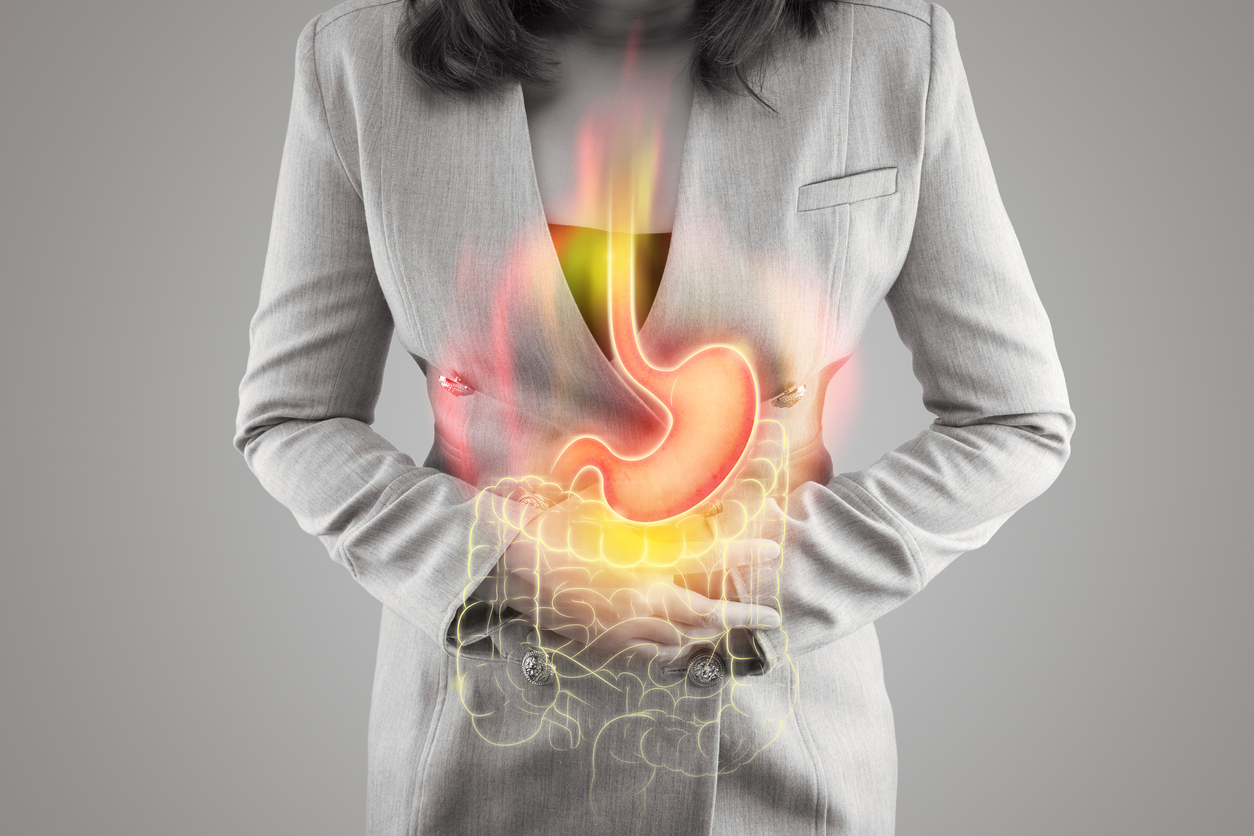
GERD symptoms: do you know the early Warning Signs?
If you experience frequent heartburn, it’s important to recognize the early warning signs of GERD (gastroesophageal reflux disease). Knowing what to look for can help you get ahead of this potentially serious health issue and take steps toward managing any symptoms. In this blog post, we’ll discuss some common GERD symptoms so that you can better detect them before they potentially become more severe. We’ll explore ways in which lifestyle changes may be beneficial, as well as talk about when it might be best to see a doctor if over-the-counter treatments don’t seem effective in keeping your GERD under control. Get ready; the journey to understanding your GERD begins now with us!
What are the early Warning Signs of GERD?
GERD is described as stomach acid flowing back up into the esophagus due to a weakened muscle at the base of the esophagus. As GERD progresses, it can cause other health issues, so it is important to recognize the early warning signs and discuss them with your doctor. Symptoms such as chest pain after eating, burning sensation in the throat or chest, trouble swallowing food properly, persistent dry cough or wheezing, persistent bad breath. And/or an irritated throat are all potential signs of GERD. Other symptoms like feeling as though there is still food stuck in your throat and bringing food back up may also be present. Working with your doctor to diagnose GERD is important because GERD can lead to more serious complications like ulcerative esophagitis or Barrett’s esophagus, which increase your risk for certain forms of cancer.
How can you tell if you have GERD?
GERD is an uncomfortable condition that affects individuals when acid from the stomach flows back up into the esophagus. GERD symptoms can vary from person to person but often include chest discomfort, frequent burping, and hiccups, difficulty swallowing, persistent heartburn, or regurgitation of food. GERD can be caused by a range of factors, including certain types of food and drink, obesity, smoking, or pregnancy. If you think you may have GERD, it’s important to speak to a healthcare professional quickly, as the condition can be managed with medication and lifestyle changes.
What are some common treatments for GERD?
GERD occurs when stomach acid or bile flows up into the esophagus, which can cause unpleasant symptoms and long-term damage. Common treatments involve lifestyle changes, such as avoiding certain foods and drinks, quitting smoking, and avoiding tight clothing that puts pressure on the stomach. Medications, including antacids, H2 receptor blockers, proton pump inhibitors and prokinetics, may also be prescribed to help neutralize or reduce stomach acids. In more serious cases, surgery might be required to strengthen the sphincter muscles between the esophagus and stomach. By understanding GERD causes and treatments, people can effectively manage their GERD symptoms and get back to living a healthy life.
When should you see a doctor about your GERD symptoms?
GERD symptoms typically include burning or discomfort in the stomach or the chest area. If GERD symptoms persist for more than two weeks or interfere with daily functioning, it is important to see a doctor as soon as possible. GERD can have many causes, so it is important to receive a medical assessment to accurately diagnose and create an effective treatment plan based on your specific needs. In many cases, GERD can be effectively managed with lifestyle modifications such as avoiding excessive alcohol and caffeine intake and losing weight if needed. However, if GERD progresses and becomes unmanageable with lifestyle changes alone, additional assistance from a doctor may be necessary.
Are there any lifestyle changes that can help prevent or lessen GERD symptoms
The causes of GERD are somewhat unknown; however, lifestyle changes have been known to help lessen GERD symptoms. These lifestyle changes include avoiding certain foods like caffeine and spicy foods; implementing dietary modifications such as avoiding overeating or eating smaller meals throughout the day; avoiding lying down immediately after eating; not smoking or drinking alcohol; and wearing looser clothing around the waist and stomach area. With these simple adjustments, GERD sufferers may find that their GERD symptoms can improve.
How serious can GERD be if left untreated
Not only are GERD symptoms uncomfortable, but they can also contribute to further health complications if left unmanaged. Seeking treatment from a medical professional is key to controlling GERD. Depending on the severity of GERD, a doctor may prescribe medications or suggest lifestyle changes that can help minimize GERD symptoms. For individuals with more severe GERD, surgery may be an option for seeking relief from GERD’s painful effects. A qualified healthcare provider can provide guidance and treatment options in order to properly manage GERD and improve one’s quality of life.
GERD can cause serious health complications if left untreated. If you experience any of the symptoms for more than two weeks, consult your doctor or seek medical treatment. Self-diagnosing and self-treating with over-the-counter medication is not recommended without first speaking to a healthcare professional. With proper treatment, most people with GERD can get relief from their symptoms and live relatively symptom-free lives.
Related Articles
“`html
Understanding Lifestyle Changes for GERD Management
One of the most effective ways to manage GERD symptoms is through lifestyle modifications. These changes can significantly reduce the frequency and severity of symptoms. Start by identifying and avoiding foods and drinks that trigger your symptoms, which may include spicy foods, citrus fruits, tomato-based products, chocolate, caffeine, and alcohol. Eating smaller, more frequent meals rather than large meals can also help minimize symptoms. It’s advisable to avoid lying down immediately after eating and to elevate the head of your bed if nighttime symptoms are problematic. Weight management is another crucial aspect; losing excess weight can alleviate pressure on the stomach, reducing acid reflux. Additionally, quitting smoking not only improves overall health but also decreases GERD symptoms as smoking weakens the lower esophageal sphincter.
Stress management techniques such as mindfulness, yoga, and relaxation exercises can also play a role in symptom relief. While lifestyle changes are beneficial, they should be seen as part of a comprehensive management plan that may include medications or other interventions as recommended by your healthcare provider. Remember, each person’s triggers and effective strategies may differ, so it may take some time to find what works best for you.
Working with Your Healthcare Provider
Collaboration with a healthcare provider is essential in effectively managing GERD. Your doctor can help you determine the most appropriate treatment plan based on your specific symptoms and medical history. They may recommend diagnostic tests such as an endoscopy or pH monitoring to assess the extent of acid reflux and any potential damage to the esophagus. With this information, your doctor can tailor a treatment plan that may include medications like antacids, H2 blockers, or proton pump inhibitors. It is important to follow their guidance regarding medication use, as these treatments can be effective in reducing acid production and healing the esophagus.
In situations where lifestyle changes and medications are not sufficient, your healthcare provider might discuss surgical options to reinforce the lower esophageal sphincter. Regular follow-ups with your doctor are important to monitor your condition and adjust treatment as necessary. Never hesitate to report new or worsening symptoms to your healthcare provider, as early intervention can prevent complications. By actively engaging in your treatment plan and maintaining open communication with your healthcare team, you can effectively manage GERD and improve your quality of life.
“`