GERD Treatment: 12 Proven Steps for Lasting Relief
GERD treatment works best when it combines accurate diagnosis, simple daily habits, and medicine (or procedures) matched to how severe your reflux really is. If you’re feeling heartburn after meals, sour fluid in the throat at night, a chronic cough, or hoarseness on busy weeks, those are classic acid reflux symptoms—and they’re treatable. At GI Associates, we confirm what’s going on, build a plan you can actually keep, and schedule checkpoints so relief isn’t left to chance. When you’re ready, request a visit on our appointments page and choose a convenient clinic from our locations.
GERD 101: why reflux lingers
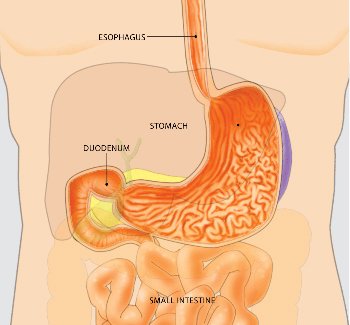
Gastroesophageal reflux disease happens when stomach contents move upward into the esophagus often enough to inflame or injure the lining. A few forces make that easier: a looser lower esophageal sphincter (the “valve” at the bottom of the esophagus), a hiatal hernia that lets the upper stomach ride above the diaphragm, delayed stomach emptying, and pressure from late, heavy meals. Over time, repeated exposure can lead to esophagitis, swallowing trouble, coughing at night, or dental enamel changes. The good news: targeted GERD treatment—paired with workable habits—usually settles symptoms and protects the esophagus.
For a clear, patient-friendly overview of causes, testing, and options, see the National Institute of Diabetes and Digestive and Kidney Diseases’ guide to GERD and heartburn.
Acid reflux symptoms to recognize early
Heartburn (a burning sensation behind the breastbone) is the headline symptom, but GERD can act quietly, too. Watch for sour taste in the mouth, belching, chronic throat clearing, hoarseness or voice fatigue, dry cough at night, and chest discomfort after meals. Some people notice trouble swallowing or the feeling that food sticks. “Silent reflux” can present mostly as throat and voice symptoms. If you’re waking from sleep with cough or regurgitation, or using antacids most days, structured GERD treatment is overdue.
How we make the diagnosis (without guesswork)
A careful history often reveals patterns: late dinners, large portions, trigger foods, and nighttime symptoms. We may start a short trial of acid suppression while we tune habits, then step up testing when symptoms are atypical, severe, or stubborn.
- Upper endoscopy checks for esophagitis, strictures, Barrett’s changes, or other causes of pain.
- pH or pH-impedance monitoring quantifies acid/non-acid reflux and links symptoms to events.
- Esophageal manometry maps motility and sphincter pressures, useful before anti-reflux procedures.
- Imaging may confirm a hiatal hernia or rule out mimics.
A precise diagnosis means GERD treatment targets the real drivers—so you feel better faster.
Why a staged plan beats “try everything and hope”
Reflux calms when you reduce pressure and acid contact time, protect the lining, and keep the lower esophageal sphincter happier. That’s why the most effective GERD treatment is staged:
- Nutrition and timing you can repeat
- Sleep and body-position strategies that work with gravity
- Medicines that heal and prevent relapse
- Procedures for the right anatomy and symptom pattern
Small, durable changes do more than strict rules you’ll abandon by Friday.
12 proven steps to make GERD treatment stick
1) Shift your meal timing earlier
Finish dinner three hours before bed. This one step reduces nighttime reflux more than any single food change. If work runs late, shrink the evening meal and move calories earlier.
2) Right-size portions
A very full stomach stretches the valve and pushes acid upward. Use a smaller plate, split large restaurant meals, and slow down. You’ll notice less pressure within days.
3) Rebuild your “calm plate”
Anchor meals with lean proteins (fish, chicken, tofu), cooked vegetables, and moderate starches (rice, potatoes, oats). Keep added fats modest at dinner. Trigger lists vary, but many people do better limiting large late-night hits of chocolate, peppermint, tomato-heavy sauces, citrus, fried foods, and alcohol.
4) Elevate the head of the bed
For nighttime symptoms or cough, raise the head of the bed 6–8 inches with blocks or a wedge. Extra pillows don’t work—they just fold your neck. Gravity is a powerful, free part of GERD treatment.
5) Treat the late-evening nibble habit
A “small snack” right before lights out can undo a good day. If you need something, keep it light and early: a small bowl of oatmeal, a banana, or yogurt (if tolerated) an hour or more before bed.
6) Align weight trends with comfort
Even a modest weight loss in people carrying central weight can drop reflux frequency. Skip crash diets; aim for repeatable meals and short walks after dinner. Wins here compound with every other step.
7) Use medicine wisely—and on schedule
- Antacids are for quick relief.
- H2 blockers (as needed or nightly) help mild, predictable symptoms.
- Proton pump inhibitors (PPIs) heal esophagitis and control frequent reflux when taken 30–60 minutes before the first meal (and before dinner if prescribed twice daily).
We document the exact timing so doses work when you need them. Once symptoms are quiet, we discuss the lowest effective regimen.
8) Protect the esophagus while it heals
If endoscopy finds erosive esophagitis, we prioritize a full healing course of PPI therapy, then step down strategically. Skipping or under-dosing stretches recovery.
9) Check your cough, voice, and asthma loop
Reflux can worsen cough, hoarseness, and asthma—and those can worsen reflux. We coordinate with ENT or pulmonary colleagues when needed so you’re not stuck in a cycle of partial relief.
10) Address a hiatal hernia when it matters
Small sliding hernias often respond to lifestyle plus medicine; large or paraesophageal hernias, or reflux that persists despite optimized therapy, may benefit from surgical repair with an anti-reflux procedure. Good candidacy depends on anatomy, symptom pattern, and testing results.
11) Cut the stealth triggers
Smoking weakens the lower esophageal sphincter; heavy alcohol late at night has a similar effect. Even reducing, not eliminating, can cut events dramatically. Carbonated drinks at night, tight waistbands, and heavy lifting right after meals also push the wrong direction.
12) Schedule follow-ups and document your wins
Write down which steps helped within a week—earlier dinners, bed elevation, timed medicine. We’ll keep the winners and adjust the rest. Relief is faster when changes are measured, not guessed.
What about “GERD diets”? Personalize, don’t punish
There’s no single menu that cures reflux. A better path is to test common culprits in a structured way. Try a two-week “late-night basics” reset: earlier dinners, smaller portions, fewer liquid calories late, and head-of-bed elevation. As symptoms settle, reintroduce favorite foods in small portions and earlier time slots. GERD treatment should fit your life, not remove everything you enjoy.
Medicines: getting results without confusion
Antacids neutralize acid quickly; think of them as rescue tools.
H2 blockers reduce acid for several hours and can be used at bedtime for predictable nocturnal symptoms.
PPIs are the backbone when symptoms are frequent or esophagitis is present. Timing is everything—take them before a meal so the pump is active. We reassess after a healing phase and step down when appropriate.
Prokinetics are considered selectively when delayed gastric emptying is part of the problem.
We’ll give you a simple one-page schedule so your regimen is easy to follow and easy to taper when you’re ready.
Procedures when medicine isn’t enough
When reflux persists despite optimized habits and medicine—or when you can’t tolerate required doses—procedural options come into play. After confirming anatomy and reflux burden with endoscopy, pH testing, and manometry, we discuss:
- Laparoscopic fundoplication to reinforce the valve and, when needed, repair a hiatal hernia.
- Magnetic sphincter augmentation devices in select patients.
- Endoscopic therapies for carefully chosen patterns.
The right choice depends on your goals, anatomy, and testing—not a one-size-fits-all rule. We walk you through pros, cons, and recovery so you can decide confidently.
Nighttime reflux: a focused game plan
- Eat earlier and lighter; avoid alcohol and heavy fats late.
- Elevate the head of the bed or use a medical wedge.
- Take evening doses (H2 or PPI if prescribed) at the correct time.
- Keep water at the bedside for rare episodes; avoid chasers of sugary or acidic drinks.
Most people see dramatic overnight improvements within a week of these changes.
Exercise, work, and travel—without setbacks
You don’t need to pause your life. Plan meals around workouts (not right before core-heavy sessions), keep a small water bottle instead of carbonated drinks at your desk, and schedule the day’s biggest meal at lunch when possible. For travel, book earlier dinners, choose grilled over fried entrées, and ask for sauces on the side. If hotel pillows aren’t enough, a portable wedge can keep you level.
Hiatal hernia: when the anatomy needs a tune-up
A hiatal hernia occurs when part of the stomach slips through the diaphragm into the chest. Not all hernias need repair. We look at size, symptoms, reflux burden, and whether the hernia is paraesophageal (which carries different risks). If repair is appropriate, combining hernia repair with an anti-reflux procedure often delivers the most durable relief. If not, focused GERD treatment—timing, medicine, sleep position—may be plenty.
Special situations we tailor for
Pregnancy. Hormones and uterine pressure increase reflux. Small, frequent meals, left-side sleeping, and pregnancy-safe medicines help. We coordinate with obstetric care for timing and choices.
Athletes and lifters. Avoid very heavy lifts right after meals; use a longer gap and focus on breathing technique.
Chronic cough, singers, or teachers. Voice-heavy jobs magnify “silent” reflux. Bed elevation, earlier dinners, and medicine timing become non-negotiables; we coordinate with ENT for laryngeal care if needed.
Diabetes and gastroparesis. Delayed emptying worsens nighttime reflux; smaller, earlier, lower-fat dinners and post-meal walks help, sometimes with prokinetic support.
A two-week GERD treatment plan you can copy
Days 1–3: Set the foundation
• Move dinner three hours earlier; cut late snacks.
• Start head-of-bed elevation.
• Take prescribed PPI 30–60 minutes before breakfast (and before dinner if twice daily).
• Walk 10–15 minutes after the two biggest meals.
Days 4–7: Reduce pressure points
• Shrink portion sizes at night; keep fats modest at dinner.
• Limit alcohol and carbonated drinks after 5 p.m.
• Save meals that sit well; retire ones that don’t.
Days 8–10: Tackle stubborn symptoms
• If nocturnal symptoms persist, add or time an H2 blocker at bedtime (if recommended).
• Review cough, hoarseness, or asthma loops; align with ENT/pulmonary if needed.
• Log triggers and medicine timing for a quick pattern check.
Days 11–14: Lock it in
• Keep early dinners and bed elevation; they’re high-impact.
• If symptoms break through despite perfect timing, schedule testing through our appointments page.
• Pick your preferred clinic from our locations so follow-ups are easy.
Frequently asked questions
Do I need endoscopy right away?
Not always. Many patients improve with a structured plan and timed medicine. We use endoscopy and pH testing when symptoms are atypical, severe, or persistent—or when warning signs appear.
Is long-term PPI use safe?
For many, yes—especially when there’s a clear indication like erosive esophagitis or frequent symptoms. We routinely reassess the lowest effective dose and discuss risks and benefits for your situation.
Can diet alone fix GERD?
Diet and timing are powerful, but healing esophagitis and controlling frequent symptoms often require medicine. The best results come from pairing both.
What if I only have throat symptoms?
That’s common. We’ll evaluate for “silent” reflux and tailor treatment to laryngeal symptoms, often with bed elevation, timing, and a targeted medicine trial.
When should I consider a procedure?
If optimized habits and medicine don’t control symptoms—or if you prefer a non-daily-medicine solution and testing supports it—we’ll discuss procedural options and candidacy.
How GI Associates personalizes GERD treatment
You bring your routines, triggers, and goals; we bring a clear map. We confirm the diagnosis, time medicines for maximum effect, coordinate specialty input when needed, and schedule follow-ups so relief is predictable. Ready to start? Book through our appointments page and select a convenient clinic from our locations. We’ll make a practical plan that works on your busiest days, not just your best ones.
Educational only; not medical advice.