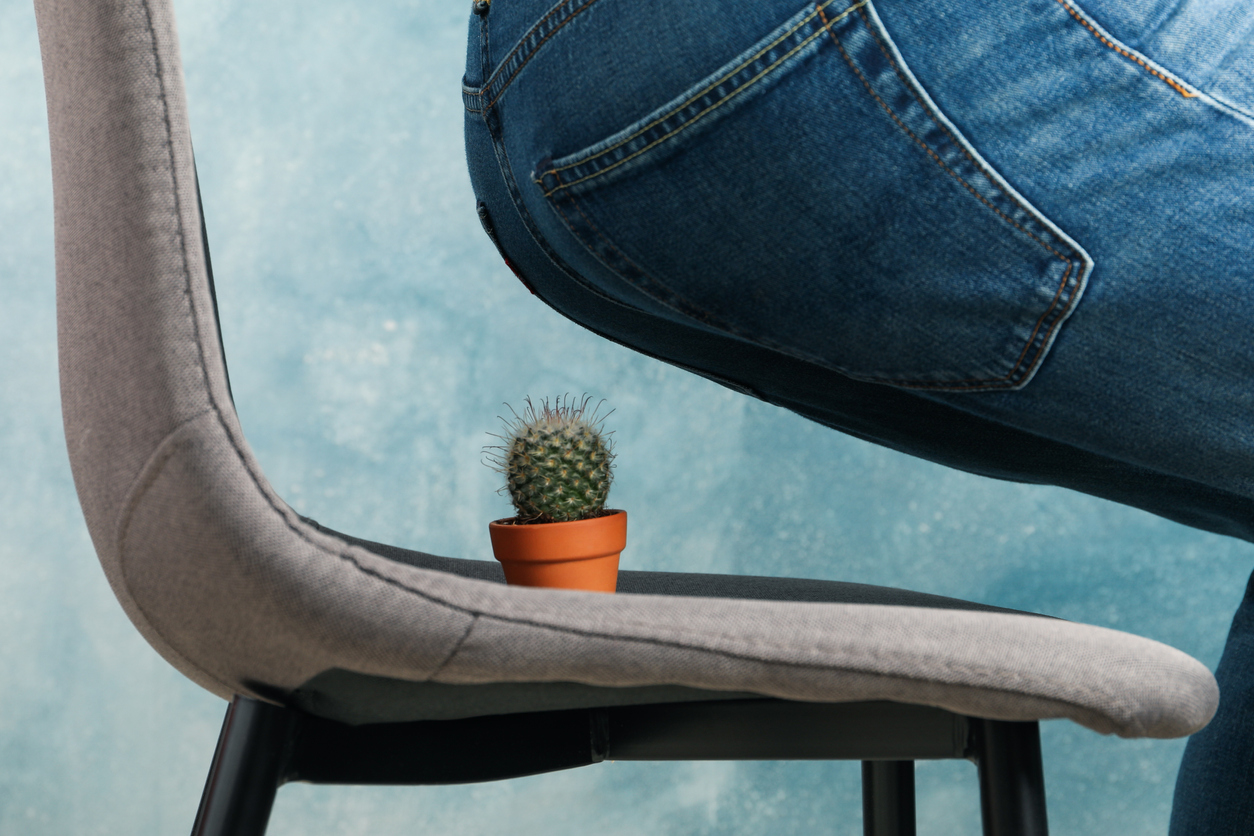
Hemorrhoids During Pregnancy: Causes and Relief Tips
Introduction: A Common Discomfort for Expectant Mothers
Pregnancy is a time of anticipation and change—but it’s also a period when the body undergoes major shifts, some of which can be uncomfortable. Hemorrhoids are one such condition that affects a significant number of pregnant women, particularly in the second and third trimesters. While they may not pose a serious medical threat, hemorrhoid can be painful, itchy, and disruptive to daily life.
Understanding the causes of hemorrhoids during pregnancy is the first step toward effective prevention and relief. With the proper knowledge and care, this common condition can be managed safely.
What Are Hemorrhoids?
Hemorrhoids are swollen blood vessels that develop in or around the anus and lower rectum. There are two primary types: internal hemorrhoids, which occur inside the rectum, and external hemorrhoids, which develop under the skin around the anus. Both types can cause discomfort, pain, itching, and sometimes bleeding—especially during bowel movements.
During pregnancy, the body is especially prone to developing hemorrhoids due to several compounding factors that create pressure and change how blood circulates through the pelvic region.
Why Pregnancy Triggers Hemorrhoids
Several physiological changes that occur during pregnancy contribute to the development of hemorrhoids. These factors can overlap and intensify as pregnancy progresses.
Increased Pressure in the Pelvis
As the baby grows, the uterus expands, putting pressure on the veins in the lower pelvis and rectum. This pressure slows the return of blood from the lower body, causing veins in the rectal area to become dilated and more susceptible to swelling.
Constipation
Constipation is prevalent in pregnancy due to hormonal changes and iron supplements. Straining during bowel movements increases pressure in the rectal veins, contributing to the formation or worsening of hemorrhoids.
Hormonal Shifts
Progesterone, the hormone that helps relax muscles and maintain pregnancy, also relaxes the walls of blood vessels. This makes them more prone to swelling under pressure. It also slows down the intestinal tract, which contributes to constipation and further increases hemorrhoid risk.
Weight Gain
The weight gained during pregnancy adds to the overall burden on the circulatory system. This added weight, particularly in the abdominal region, can intensify pressure on the veins surrounding the rectum and lead to the development of hemorrhoids.
Prolonged Standing or Sitting
Pregnant individuals may find themselves standing or sitting for extended periods, particularly in the later stages of pregnancy. Both positions can reduce adequate blood circulation and increase the likelihood of hemorrhoid development.
Symptoms to Watch For
Hemorrhoids can vary in severity and may present differently in each person. Common symptoms during pregnancy include:
- Itching or irritation around the anus
- Swelling or a small lump near the rectum
- Pain, particularly while sitting or during bowel movements
- Bright red blood on toilet paper or in the toilet after a bowel movement
- A feeling of incomplete evacuation
Symptoms can range from mildly annoying to significantly painful, especially if hemorrhoids become thrombosed (develop a blood clot inside).
How to Safely Relieve Hemorrhoids During Pregnancy
Most hemorrhoid treatments focus on relieving symptoms and reducing inflammation. For pregnant women, safety is key—so natural and lifestyle-based solutions are typically preferred.
Boost Fiber Intake
Eating a high-fiber diet is one of the most effective ways to prevent and treat hemorrhoids. Whole grains, fruits, vegetables, and legumes help soften stool and reduce the need to strain during bowel movements.
Stay Hydrated
Drinking plenty of water helps prevent constipation, which is a major contributor to hemorrhoids. Aiming for at least 8–10 glasses of water a day can help improve digestion and reduce irritation.
Try a Warm Sitz Bath
Soaking the lower body in warm water for 10–15 minutes several times a day can help relieve pain, itching, and swelling. Sitz baths are available at most drugstores and are easy to use at home.
Use Cold Compresses
Cold packs can provide temporary relief from pain and reduce inflammation. Apply them to the affected area for short intervals throughout the day.
Choose Pregnancy-Safe Topicals
Some over-the-counter creams and ointments can provide symptom relief. Always check with your healthcare provider before using any medication during pregnancy, even topical ones.
Avoid Straining
Go to the bathroom as soon as you feel the urge—delaying bowel movements can cause stool to harden. Use a footstool to elevate your legs while sitting on the toilet, helping with positioning and reducing strain.
Preventing Hemorrhoids Before They Start
While it’s not always possible to prevent hemorrhoids during pregnancy, there are practical steps you can take to reduce the risk:
- Eat a fiber-rich diet and stay well-hydrated to maintain regular bowel habits
- Exercise regularly (as approved by your provider) to improve circulation and digestion
- Don’t delay using the restroom—respond promptly to natural urges
- Avoid sitting or standing for long periods by changing positions frequently
- Wear loose-fitting, comfortable clothing that doesn’t constrict your abdomen or waist
Starting these practices early in pregnancy can help you stay ahead of hemorrhoid development.
When to Call Your Healthcare Provider
Mild hemorrhoids can often be managed at home, but you should reach out to your OB-GYN or healthcare provider if you:
- Experience significant pain or bleeding
- See no improvement after a few days of home treatment
- Notice a persistent lump or swelling that doesn’t go away
- Have concerns about using any treatment products during pregnancy
Your provider can confirm that your symptoms are due to hemorrhoids and recommend safe treatment options tailored to your specific needs.
Postpartum Hemorrhoids
Hemorrhoids don’t always resolve immediately after childbirth. Vaginal delivery—especially if it involves prolonged pushing—can worsen existing hemorrhoids or cause new ones to appear. Continue using the same care measures after delivery, and consult your provider if symptoms persist or worsen.
The good news is that most postpartum hemorrhoids improve significantly in the weeks following birth as hormone levels stabilize and pressure in the pelvic region decreases.
Conclusion: Comfort Is Possible
While hemorrhoids are an unfortunate side effect of pregnancy for many women, they don’t have to define your experience. With a proactive approach—including lifestyle adjustments, symptom management, and professional guidance—you can minimize discomfort and experience a smoother pregnancy journey.
Always keep your healthcare provider informed about any symptoms you’re experiencing. With the proper support, you can prioritize your well-being and focus on what truly matters: preparing for your new arrival.