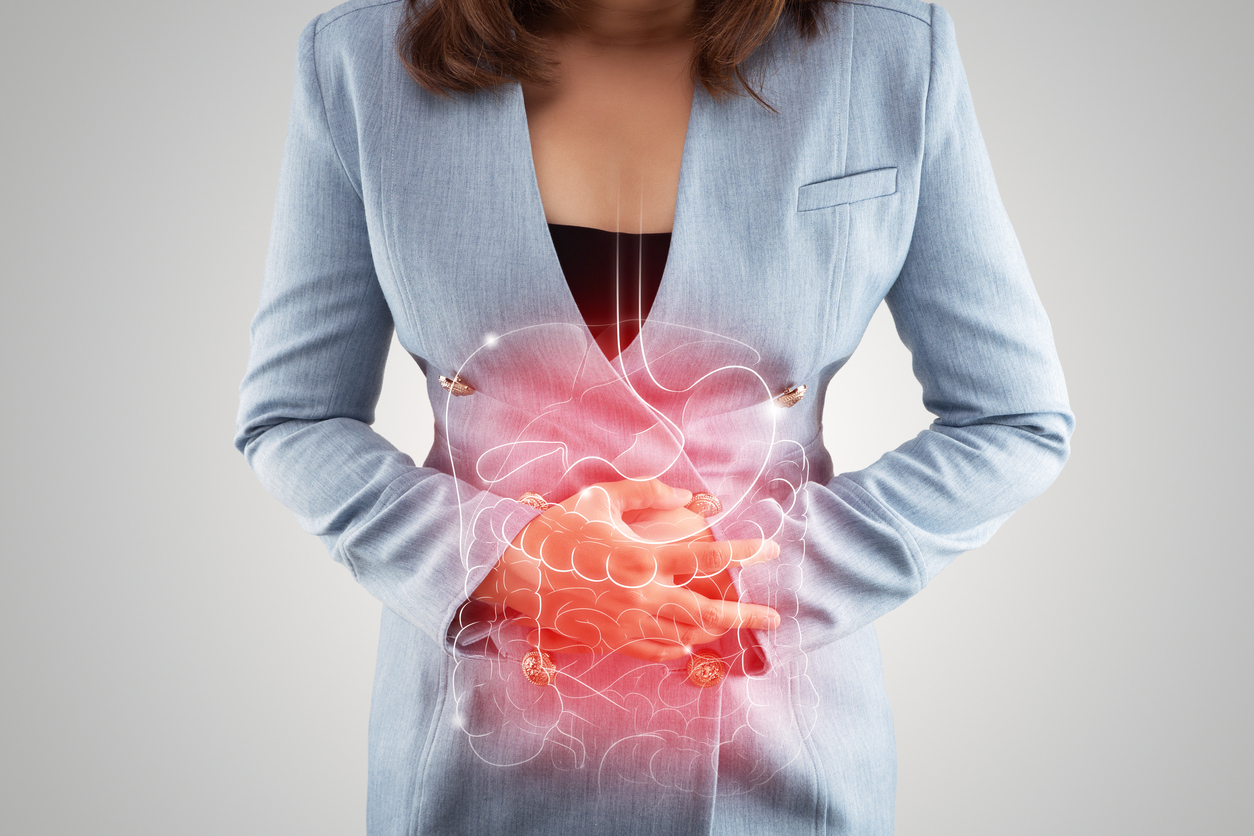
IBS: Managing Diarrhea and Constipation for Better Digestive Health
What is IBS?
Irritable Bowel Syndrome (IBS) is a common gastrointestinal disorder that affects the large intestine. It is a functional disorder, meaning it alters how the gut functions without causing visible damage to its structure. IBS can cause a range of symptoms, including abdominal pain, bloating, and altered bowel habits, such as diarrhea, constipation, or a combination of both.
IBS affects approximately 10–15% of the global population and is more common in women than men. Although the exact cause is not fully understood, factors such as gut-brain communication issues, food sensitivities, stress, and changes in the gut microbiome are believed to play a role.
Symptoms of IBS
IBS symptoms can vary widely among individuals but are often categorized into three main subtypes based on bowel habits:
- IBS-D: Predominantly diarrhea.
- IBS-C: Predominantly constipation.
- IBS-M: Mixed, alternating between diarrhea and constipation.
Common Symptoms
- Abdominal pain or cramping, often relieved by bowel movements.
- Chronic bloating or a sensation of fullness.
- Excessive gas or flatulence.
- Changes in stool consistency or frequency.
Diarrhea in IBS (IBS-D)
Frequent, loose, or watery stools characterize diarrhea-predominant IBS. It can be unpredictable and disruptive, causing anxiety and affecting daily activities.
Why Does IBS Cause Diarrhea?
Gut Hypersensitivity
- The gut muscles contract more rapidly than normal, leading to faster food movement through the digestive tract.
Trigger Foods
- Certain foods like dairy, caffeine, or high-fat meals may irritate the gut and exacerbate symptoms.
Gut Microbiome Imbalance
- Changes in the gut microbiome can lead to increased fermentation, gas production, and diarrhea.
Managing Diarrhea in IBS
Dietary Changes
- Low FODMAP Diet: Avoid fermentable carbohydrates (FODMAPs) in certain fruits, vegetables, and processed foods.
- Hydration: Drink plenty of water to replace fluids lost during episodes of diarrhea.
Medications
- Anti-Diarrheal Agents: Over-the-counter options like loperamide (Imodium) can reduce stool frequency.
- Bile Acid Binders: Used for bile acid-related diarrhea.
Probiotics
- Certain strains like Saccharomyces boulardii may help regulate bowel movements and restore gut balance.
Stress Management
- Techniques like yoga, meditation, or cognitive behavioral therapy (CBT) can reduce stress-related flare-ups.
Constipation in IBS (IBS-C)
Infrequent, hard, or difficult-to-pass stools mark constipation-predominant IBS. This can lead to discomfort, bloating, and a feeling of incomplete evacuation.
Why Does IBS Cause Constipation?
Slow Gut Motility
- The gut muscles contract less frequently or with less force, slowing the movement of food and waste.
Dehydration
- Lack of fluids can harden stools, making them more difficult to pass.
Dietary Factors
- A diet low in fiber or high in processed foods can contribute to constipation.
Managing Constipation in IBS
Dietary Adjustments
- Increase Fiber Intake: Soluble fiber (found in oats, bananas, and apples) can help soften stools without worsening symptoms. Insoluble fiber should be avoided as it may aggravate bloating.
- Stay Hydrated: Drinking adequate water supports stool softening and regular bowel movements.
Physical Activity
- Regular exercise promotes gut motility and can help alleviate constipation.
Medications
- Laxatives: Osmotic laxatives like polyethylene glycol (Miralax) are gentle options for softening stools.
- Prescription Medications: Drugs like lubiprostone or linaclotide may be prescribed for severe cases.
Probiotics
- Strains like Bifidobacterium infantis have been shown to improve symptoms in IBS-C.
IBS-M: Dealing with Mixed Symptoms
Managing alternating diarrhea and constipation can be challenging, as treatments for one symptom may worsen the other. A balanced approach is key.
Keep a Food Diary
- Identify and avoid triggers that exacerbate symptoms.
Moderate Fiber Intake
- Incorporate soluble fiber while avoiding foods that worsen diarrhea or bloating.
Tailored Medications
- Use anti-diarrheal agents or laxatives only as needed to address current symptoms.
Consult a Specialist
- A gastroenterologist can develop a personalized treatment plan to manage IBS-M effectively.
Lifestyle Tips for Managing IBS
Low FODMAP Diet
- This evidence-based diet eliminates specific fermentable foods that can trigger IBS symptoms and then reintroduces them to identify triggers.
Stress Reduction
- Chronic stress exacerbates IBS symptoms. Techniques like deep breathing exercises, mindfulness, and regular sleep hygiene can help.
Regular Meal Times
- Eating consistently daily can regulate gut motility and reduce symptom variability.
Avoid Trigger Foods
- Common triggers include caffeine, alcohol, fatty foods, and artificial sweeteners like sorbitol.
Seek Professional Support
- Dietitians specializing in IBS can guide dietary choices, while therapists can address stress and its impact on gut health.
When to See a Doctor
While IBS is a chronic condition, some symptoms may require further evaluation to rule out other gastrointestinal conditions:
- Blood in stool or dark, tarry stools.
- Unexplained weight loss.
- Persistent pain not relieved by bowel movements.
- Symptoms that worsen over time or do not respond to treatment.
A healthcare provider may recommend additional tests, such as colonoscopy or stool studies, to confirm the diagnosis and exclude other conditions.
Conclusion
IBS is a complex condition that can cause significant discomfort, particularly through symptoms like diarrhea and constipation. By understanding your specific IBS subtype and adopting a combination of dietary, lifestyle, and medical interventions, you can manage symptoms effectively and improve your quality of life.
If symptoms persist or worsen, consult a healthcare provider for a tailored treatment plan. Proactive management and support from medical and dietary professionals can help individuals with IBS regain control over their digestive health and live comfortably.
“`html
Understanding the Role of the Gut-Brain Axis
The gut-brain axis is a complex communication network linking your gastrointestinal tract and your brain. In individuals with IBS, this communication can become disrupted, leading to heightened sensitivity in the gut. This means that normal digestive processes might be perceived as painful or uncomfortable. Stress, anxiety, and other emotional factors can exacerbate this sensitivity, potentially triggering IBS symptoms. Understanding and managing stress is crucial in managing IBS, as it helps in breaking the cycle of stress-induced digestive issues.
Techniques such as mindfulness, meditation, and cognitive behavioral therapy (CBT) can be effective in calming the mind and reducing stress levels. These approaches can help in managing the gut-brain interaction and minimizing symptom flare-ups. Additionally, regular physical activity is beneficial not only for general health but also for reducing stress and improving digestive motility.
Exploring Dietary Triggers and Personalized Nutrition
Identifying and managing dietary triggers is a key component of controlling IBS symptoms. While the low FODMAP diet is a popular strategy, it is essential to approach it with guidance from a healthcare professional or dietitian. This diet involves temporarily eliminating certain high-FODMAP foods and then gradually reintroducing them to identify specific triggers. Personalization is crucial, as IBS triggers can vary significantly between individuals.
Keeping a food diary can help track food intake and symptoms, making it easier to pinpoint foods that may exacerbate IBS. Beyond FODMAPs, other common triggers include caffeine, alcohol, and spicy foods. It is important to maintain a balanced diet while avoiding known triggers to ensure adequate nutrition. Consulting with a dietitian can provide support in creating a sustainable eating plan tailored to your needs, improving overall digestive health and quality of life.
“`