NAFLD: Symptoms and Treatment for a Healthier Liver
What is NAFLD?
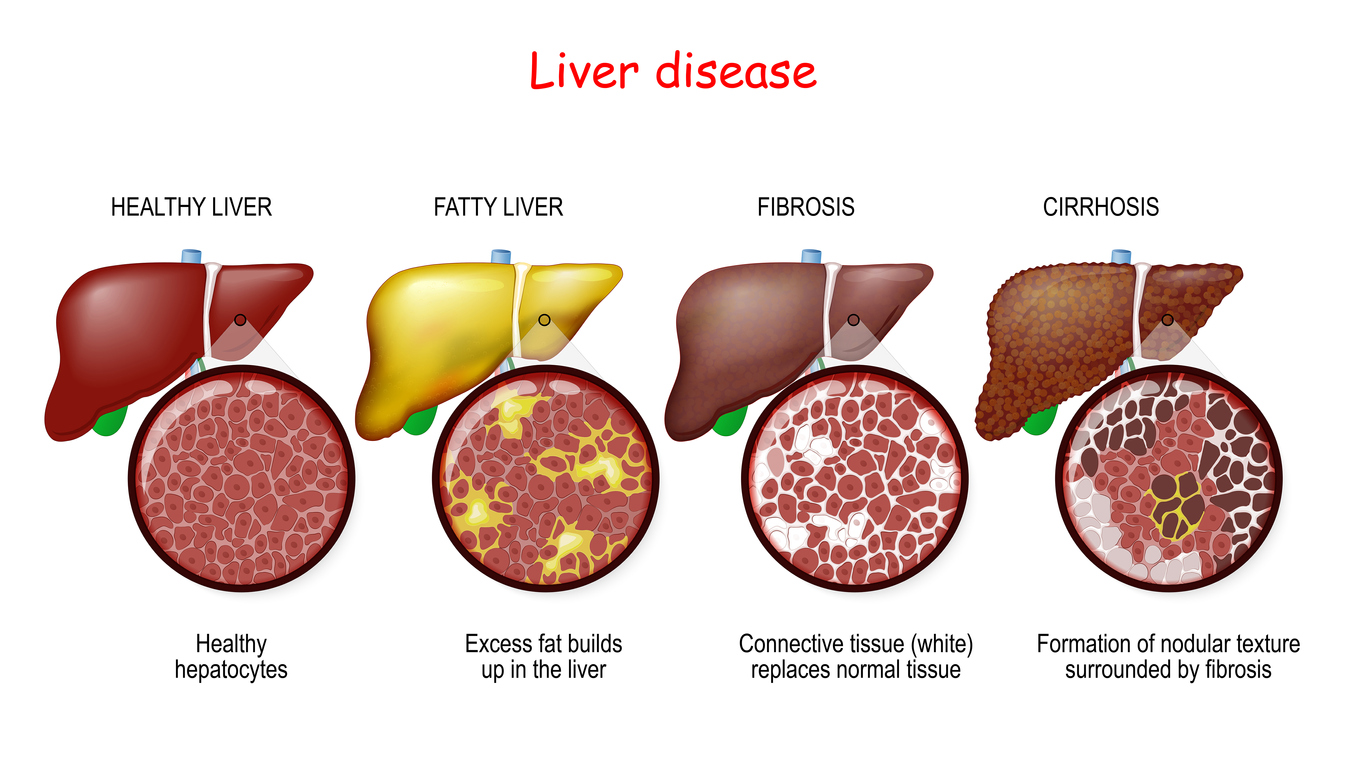
Non-Alcoholic Fatty Liver Disease (NAFLD) is a common condition characterized by the buildup of excess fat in the liver of people who consume little to no alcohol. It is a spectrum of liver disorders ranging from simple fatty liver (steatosis), which involves fat accumulation without inflammation, to Non-Alcoholic Steatohepatitis (NASH), a more severe form that includes liver inflammation and damage.
NAFLD affects approximately 25% of the global population and is strongly associated with obesity, diabetes, high cholesterol, and metabolic syndrome. If left untreated, it can lead to serious complications such as liver fibrosis, cirrhosis, and liver cancer.
Symptoms of NAFLD
NAFLD is often asymptomatic in its early stages, making it challenging to detect without routine medical screenings. However, as the condition progresses, it can cause noticeable symptoms.
Common Symptoms of NAFLD
Fatigue
Persistent tiredness due to liver dysfunction or systemic inflammation.
Abdominal Discomfort
- A dull ache or sensation of fullness in the upper right abdomen where the liver is located.
Unexplained Weight Loss
- In advanced stages, weight loss may occur due to metabolic imbalances.
Enlarged Liver (Hepatomegaly)
- Detected during physical examinations or imaging studies.
Symptoms of Advanced NAFLD (NASH and Cirrhosis)
- Jaundice: Yellowing of the skin and eyes due to poor liver function.
- Swelling (Edema or Ascites): Fluid accumulation in the legs or abdomen.
- Spider Veins: Visible blood vessels on the skin surface.
- Mental Confusion: Known as hepatic encephalopathy, caused by toxin buildup in the bloodstream.
Risk Factors for NAFLD
Several factors increase the likelihood of developing NAFLD:
- Obesity: A primary risk factor due to fat accumulation in the liver.
- Type 2 Diabetes: High blood sugar contributes to fat buildup.
- Metabolic Syndrome: A cluster of conditions, including high cholesterol and hypertension, increases risk.
- Sedentary Lifestyle: Lack of physical activity exacerbates metabolic stress on the liver.
- Genetics: A family history of NAFLD can predispose individuals to the condition.
Treatment Options for NAFLD
Currently, there are no FDA-approved medications specifically for treating NAFLD. However, the condition can often be managed and even reversed through lifestyle changes and addressing associated health issues.
1. Lifestyle Modifications
The cornerstone of NAFLD treatment is improving overall metabolic health through diet, exercise, and weight management.
- Weight Loss
- Losing 7–10% of body weight can significantly reduce liver fat, inflammation, and fibrosis. Aim for gradual weight loss of 1–2 pounds per week to avoid worsening liver damage.
- Healthy Diet
- Adopt a nutrient-rich diet that emphasizes:
- Whole Grains: Brown rice, oats, and quinoa.
- Fruits and Vegetables: High in fiber and antioxidants.
- Lean Proteins: Skinless poultry, fish, and plant-based proteins like legumes.
- Healthy Fats: Sources such as olive oil, avocados, and nuts.
- Avoid foods that worsen liver health, including sugary beverages, processed snacks, and high-fat or fried foods.
- Regular Exercise
- Aim for at least 150 minutes of moderate aerobic activity per week (e.g., brisk walking, cycling) combined with strength training exercises.
2. Medical Interventions
While no direct drug therapies exist for NAFLD, managing associated conditions can slow disease progression:
- Manage Diabetes
- Control blood sugar levels with medications like metformin or lifestyle adjustments.
- Lower Cholesterol
- Use statins or other lipid-lowering agents to manage high cholesterol and triglycerides.
- Control Blood Pressure
- Keep hypertension in check with medications and lifestyle changes.
- Vitamin E
- Antioxidant therapy with vitamin E may reduce liver inflammation in non-diabetic patients with NASH.
- Emerging Therapies
- Research is ongoing into drugs targeting fibrosis and fat accumulation in the liver, including those regulating bile acid metabolism.
3. Preventing Progression to NASH or Cirrhosis
For patients with advanced NAFLD, additional measures may be necessary:
- Regular Monitoring
- Routine blood tests and imaging studies, such as liver ultrasound or FibroScan, assess liver health.
- Avoid Liver Stressors
- Eliminate alcohol and minimize unnecessary medications that can strain the liver.
- Manage Obstructive Sleep Apnea
- Treating sleep apnea may reduce systemic inflammation and liver fat.
Preventing NAFLD
Prevention focuses on maintaining a healthy lifestyle and addressing risk factors before they lead to liver damage.
Steps to Prevent NAFLD
- Adopt a Balanced Diet
- Focus on whole, unprocessed foods and limit sugar, refined carbs, and saturated fats.
- Stay Physically Active
- Regular exercise helps burn excess fat and improve insulin sensitivity.
- Monitor Your Weight
- Avoid significant weight gain and aim for a body mass index (BMI) within a healthy range.
- Regular Health Checkups
- Monitor blood sugar, cholesterol, and liver function if you have risk factors like obesity or a family history of liver disease.
- Avoid Toxins
- Minimize exposure to harmful substances, including unnecessary medications and environmental toxins.
When to See a Doctor
If you experience persistent fatigue, abdominal discomfort, or unexplained weight changes, consult a healthcare provider. Early diagnosis of NAFLD is key to preventing serious complications.
Diagnostic Tools for NAFLD
- Blood Tests: Evaluate liver enzyme levels.
- Imaging: Ultrasound, CT scan, or MRI to detect fat accumulation.
- Liver Biopsy: The most accurate method to assess inflammation and fibrosis.
Conclusion
NAFLD is a manageable condition that can often be reversed with timely intervention and lifestyle changes. You can significantly reduce liver fat and improve your overall health by focusing on healthy eating, regular exercise, and addressing associated health conditions.
If you suspect NAFLD or are at risk, consult a healthcare provider for a comprehensive evaluation. With proactive management, it’s possible to prevent progression to more severe forms of liver disease and maintain long-term liver health.“`html
Monitoring and Follow-Up
Regular monitoring and follow-up with a healthcare provider are crucial for managing NAFLD effectively. Routine blood tests to check liver function, imaging studies such as ultrasounds, and sometimes liver biopsies may be recommended to assess the progression of the disease. These evaluations help in tailoring the treatment plan and making necessary adjustments to lifestyle interventions. It’s important for patients to keep all follow-up appointments and communicate any new symptoms or concerns with their healthcare provider promptly.
In addition to medical monitoring, patients can benefit from setting realistic health goals and tracking their progress. Maintaining a record of dietary habits, physical activity, and weight changes can provide valuable insights and motivation. Support groups or counseling may also be beneficial for those seeking additional encouragement and guidance in making lifestyle changes.
Preventive Measures and Long-Term Outlook
Prevention of NAFLD primarily involves adopting a healthy lifestyle to minimize risk factors. This includes maintaining a balanced diet, engaging in regular physical activity, and managing conditions such as obesity and diabetes. For individuals with a family history of NAFLD, early lifestyle modifications can be particularly beneficial in reducing the likelihood of developing the condition.
The long-term outlook for individuals with NAFLD varies depending on the stage of the disease and the effectiveness of lifestyle changes. With early detection and appropriate management, many people can prevent the progression of NAFLD and even achieve reversal of liver damage. However, if left untreated, there is a risk of progression to more severe liver conditions such as cirrhosis and liver cancer. Hence, proactive management and lifestyle adjustments are key to improving liver health and overall well-being.
“`