Pancreatitis: Recognizing Symptoms and Exploring Treatments
Introduction: Understanding Pancreatitis
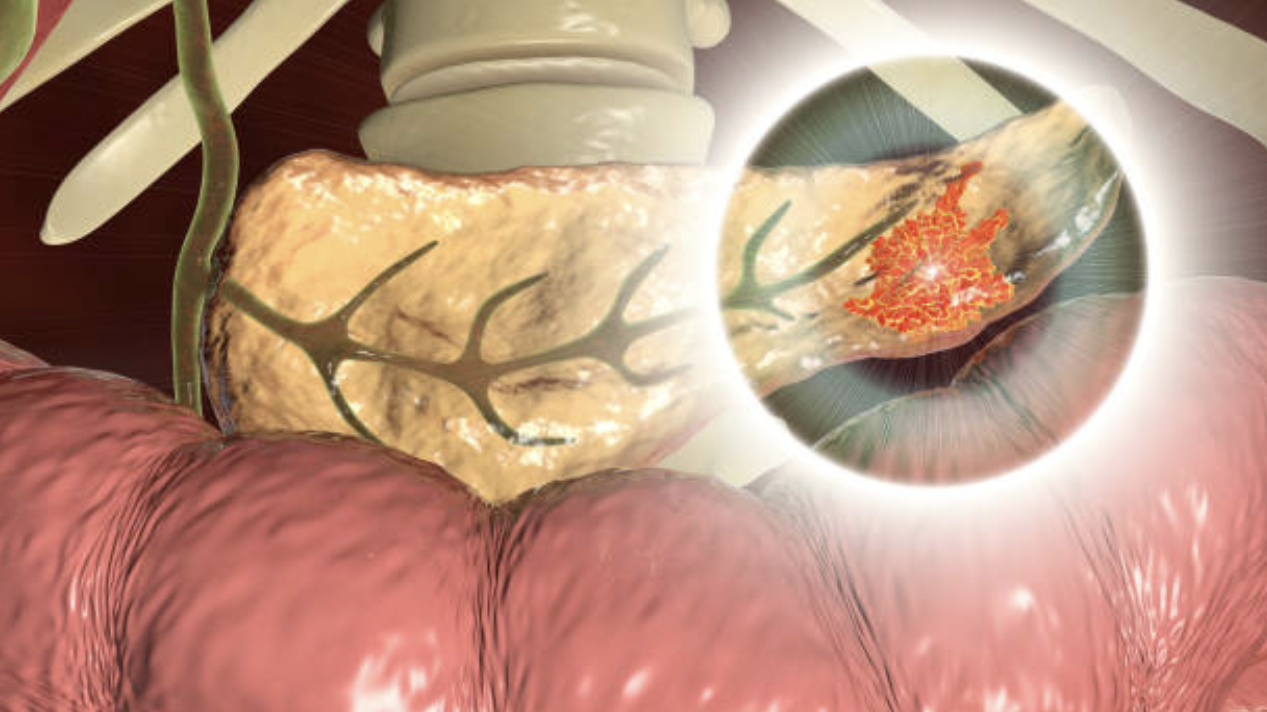
Pancreatitis is an inflammatory condition of the pancreas—a vital organ responsible for producing digestive enzymes and insulin. When inflammation strikes, it can cause intense abdominal pain and serious complications if not addressed promptly. This condition may arise suddenly (acute pancreatitis) or persist over time (chronic pancreatitis), with varying symptoms and levels of severity.
Regardless of the form, early recognition and proper treatment of pancreatitis are critical. Without timely intervention, the condition can lead to permanent organ damage, digestive issues, or even life-threatening systemic effects. This article examines the common signs of pancreatitis and offers a comprehensive overview of its treatment in both acute and chronic stages.
What Is Pancreatitis?
Pancreatitis occurs when the digestive enzymes produced by the pancreas begin to activate inside the organ rather than in the small intestine. This leads to irritation, inflammation, and, in more severe cases, tissue destruction.
There are two primary types:
- Acute Pancreatitis: A sudden and short-term inflammation that may range from mild discomfort to a life-threatening illness. With prompt medical care, most people recover fully.
- Chronic Pancreatitis: A long-lasting inflammation that leads to permanent damage of pancreatic tissue. It can result in digestive difficulties and diabetes if left untreated.
Causes of Pancreatitis
A variety of underlying issues can trigger pancreatitis. Understanding the cause is essential for targeted treatment and prevention of recurrence.
- Gallstones: One of the most common causes. These small stones can block the pancreatic duct, trapping enzymes in the pancreas.
- Alcohol Use: Heavy or long-term alcohol consumption is a significant risk factor, particularly in chronic cases.
- High Triglyceride Levels: Elevated blood fats can trigger acute episodes.
- Certain Medications: Some drugs, including diuretics, steroids, and antibiotics, may inflame the pancreas as a side effect.
- Infections: Viral infections, such as mumps or hepatitis, may lead to pancreatic inflammation.
- Autoimmune Diseases: The immune system can mistakenly attack pancreatic tissue, leading to inflammation and damage.
- Genetic Conditions: Hereditary pancreatitis or cystic fibrosis may contribute to chronic inflammation.
In some cases, the exact cause remains unknown (idiopathic pancreatitis), making diagnosis and management more complex.
Symptoms of Acute Pancreatitis
Acute pancreatitis symptoms typically develop rapidly and may necessitate emergency care. Common signs include:
- Severe upper abdominal pain that may radiate to the back
- Pain that worsens after eating, especially fatty meals
- Nausea and vomiting
- Fever and rapid pulse
- Abdominal tenderness or swelling
- Inability to eat without discomfort
In severe cases, acute pancreatitis can lead to dehydration, low blood pressure, or organ failure. It’s essential to seek medical attention if symptoms are intense or persistent.
Symptoms of Chronic Pancreatitis
Chronic pancreatitis develops gradually and may not be immediately apparent. Its symptoms can mirror those of acute cases but tend to be more prolonged and progressive:
- Recurrent upper abdominal pain
- Weight loss without trying
- Fatty, foul-smelling stools (steatorrhea)
- Malabsorption of nutrients
- Development of diabetes due to loss of insulin-producing cells
Over time, chronic inflammation may impair the pancreas’s ability to function altogether.
Diagnosing Pancreatitis
Healthcare providers use a combination of tools to confirm pancreatitis and identify its cause.
- Blood tests: Elevated levels of pancreatic enzymes such as amylase and lipase are strong indicators.
- Imaging tests, such as ultrasound, CT scans, and MRIs, help visualize swelling, duct blockages, or complications like pseudocysts.
- Stool tests: These can detect fat malabsorption in chronic cases.
- Endoscopic ultrasound or ERCP: Advanced procedures to evaluate the ducts and remove blockages if necessary.
Early and accurate diagnosis is crucial for reducing the risk of complications and beginning proper treatment.
Treating Acute Pancreatitis
The primary approach to acute pancreatitis involves supportive care and treating the underlying cause.
Hospitalization and Monitoring
Most patients with acute pancreatitis are hospitalized for close observation and symptom management. Treatment typically includes:
- Fasting: Giving the pancreas a rest by withholding food and drink initially
- IV fluids: To prevent dehydration and maintain blood pressure
- Pain relief: Medications to manage discomfort
- Nutritional support: If oral feeding isn’t possible, nutrition may be provided through a tube or intravenously
Addressing the Underlying Cause
Once stabilized, doctors will treat the cause. For instance, if gallstones are the culprit, a gallbladder removal surgery (cholecystectomy) may be scheduled. If alcohol is the trigger, cessation, and counseling become a key part of the treatment plan.
Treating Chronic Pancreatitis
Treatment for chronic pancreatitis focuses on managing symptoms, slowing disease progression, and addressing complications.
Lifestyle Modifications
- Alcohol cessation: Completely stopping alcohol is essential to prevent further damage.
- Smoking cessation: Smoking worsens inflammation and increases cancer risk.
- Dietary changes: A low-fat diet and smaller meals help reduce strain on the pancreas. Consulting a registered dietitian can be helpful.
Enzyme Replacement Therapy
Chronic cases often result in enzyme deficiencies. Pancreatic enzyme supplements taken with meals can improve digestion and nutrient absorption.
Pain Management
Pain is a significant issue in chronic pancreatitis. Management may involve non-opioid medications, nerve blocks, or psychological counseling.
Treatment of Complications
Surgery may be necessary to remove part of the pancreas, drain cysts, or relieve blockages. In rare, severe cases, a total pancreatectomy may be performed, followed by insulin and enzyme replacement therapy.
Potential Complications of Untreated Pancreatitis
Both forms of pancreatitis can lead to serious complications if not properly managed:
- Pseudocysts: Fluid-filled sacs in the pancreas that may rupture or become infected
- Pancreatic necrosis: Tissue death that can lead to severe infection
- Diabetes: Chronic damage affects insulin production
- Malnutrition: Poor nutrient absorption over time
- Pancreatic cancer: Increased risk in chronic cases
Close monitoring and timely intervention can reduce the risk of these outcomes.
Long-Term Outlook and Recovery
Recovery from acute pancreatitis often takes days to weeks, with many individuals making a full recovery once the cause is addressed. Chronic pancreatitis is a lifelong condition that requires consistent care and lifestyle management.
Regular follow-ups, adherence to treatment plans, and avoiding known triggers such as alcohol and high-fat foods can significantly improve quality of life and reduce flare-ups.
Conclusion: Taking Charge of Pancreatic Health
Pancreatitis is a serious but manageable condition. Whether acute or chronic, understanding the symptoms and knowing when to seek help can prevent lasting damage. With medical support, lifestyle changes, and a clear treatment plan, most individuals can successfully manage their symptoms and lead a whole, active life.
If you’re experiencing persistent abdominal pain or other symptoms of pancreatitis, consult a healthcare professional immediately. Early diagnosis and intervention are your best tools for protecting your pancreatic health.