What are the Treatment Options for Alcoholic Liver Disease?
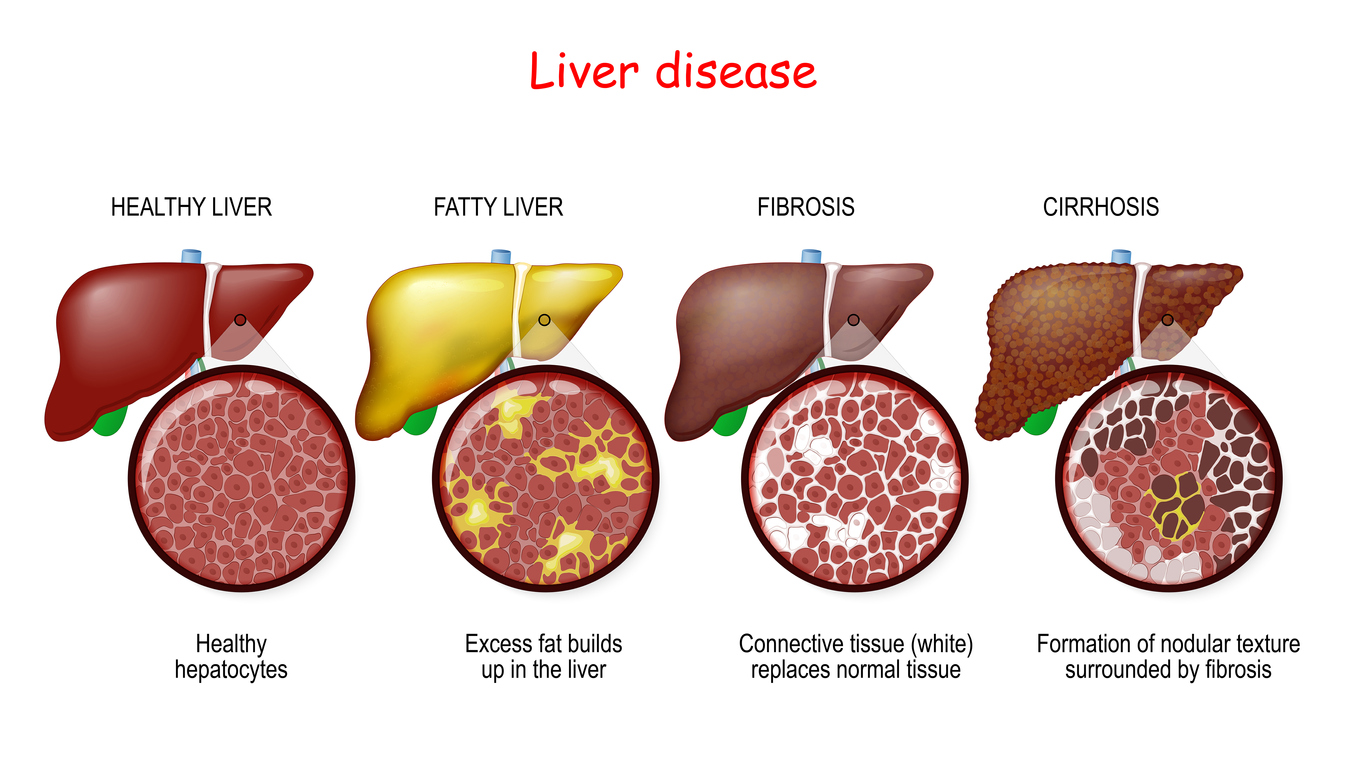
Alcoholic Liver Disease (ALD) is a type of liver disease caused by long-term alcohol abuse. Alcoholism refers to the physical addiction to alcohol, and ALD describes the damage that drinking does to the liver. ALD is one of the most common causes of cirrhosis in developed countries.
Symptoms of Alcoholic Liver Disease (ALD) can vary from mild to severe and develop over time or suddenly. Symptoms may include:
- Fatigue: Fatigue is a common symptom of ALD and can vary in severity from person to person. Alcohol abuse causes more severe physical and mental exhaustion. It impairs the liver’s ability to process food and absorb essential nutrients, leading to malnutrition and further fatigue.
- Nausea and Vomiting: This is often a result of the build-up of toxins in the bloodstream by the liver’s inability to process food properly.
- Loss of Appetite: This may be due to the toxins that build up in the bloodstream and the liver’s inability to process food properly, causing disinterest in food in general.
- Weight Loss: Weight loss is a common symptom of ALD. Either due to the lack of appetite or the nausea, unintentional weight loss is to be expected.
- Jaundice: Jaundice is a condition that causes the skin and eyes to turn yellow. This is due to the build-up of bilirubin in the blood, which results from the liver’s inability to process properly.
- Ascites: Ascites are a condition in which fluid accumulates in the abdomen. This can cause pain and discomfort.
- Pale Stools: This is often caused by the build-up of toxins in the bloodstream and the liver’s inability to process food properly, so they are passed through the system without being filtered out.
- Dark Urine: Dark urine is often a result of the liver’s inability to filter the correct toxins and enzymes.
- Hepatic Encephalopathy: Hepatic encephalopathy is a type of brain injury caused by liver disease. It is a severe condition that can lead to coma or death.
- Seizures: Seizures are a common symptom of Alcoholic Liver Disease. Seizures are a type of brain injury that is caused by liver disease. Alcoholism causes the build-up of toxins in the bloodstream, which can lead to seizures.
- Coma: Coma is a severe condition resulting from ALD. Alcoholism causes the build-up of toxins in the bloodstream, which can lead to coma. Coma is a type of brain injury that is caused by liver disease. It is a severe condition that can lead to death.
There is no one-size-fits-all answer to this question, as the treatment for Alcoholic Liver Disease will vary depending on the severity of the disease. However, some common treatments for ALD include:
- Quitting Alcohol: The most crucial treatment for AlLD is to stop drinking alcohol. This can help reverse the damage done to the liver and may even prevent further damage from occurring.
- Medication: Several medications can be used to help treat Alcoholic Liver Disease. These may include drugs to help reduce nausea and vomiting, antibiotics to treat infections, and medications to help control seizures or hepatic encephalopathy.
- Surgery: In some cases, surgery may be necessary to repair the damage done to the liver. This may include procedures such as a liver transplant or a liver resection.
Alcoholics can prevent ALD by stopping drinking alcohol. This is the most crucial step in preventing ALD and can help reverse the damage done to the liver and may even prevent further damage from occurring. Alcoholics can also seek treatment for their addiction to alcohol, which can help them to stop drinking and improve their overall health.
Related Articles
“`html
Importance of Early Diagnosis and Regular Monitoring
Early diagnosis of Alcoholic Liver Disease (ALD) is crucial for effective management and treatment. Regular monitoring by healthcare professionals can help track the progression of the disease and adjust treatment plans as necessary. Patients are encouraged to attend all scheduled appointments and undergo recommended tests, such as liver function tests and imaging studies, to assess liver health. Early intervention can significantly improve outcomes and may prevent the progression to more severe stages of liver disease.
In addition to medical monitoring, patients should be aware of their symptoms and report any changes to their healthcare provider promptly. This proactive approach can help in managing symptoms more effectively and preventing complications. Open communication with healthcare providers is essential for tailoring treatment plans to individual needs and ensuring the best possible care.
Lifestyle Modifications and Support Systems
In addition to medical treatments, lifestyle modifications play a vital role in managing Alcoholic Liver Disease. Adopting a healthy diet rich in essential nutrients can support liver function and overall health. Patients are advised to consume a balanced diet that includes plenty of fruits, vegetables, lean proteins, and whole grains while avoiding processed foods and those high in fat and sugar. Nutritional counseling may be beneficial for those struggling with malnutrition or weight management.
Support systems, such as counseling and support groups, are also invaluable for individuals with ALD. Quitting alcohol can be challenging, and having a strong support network can make a significant difference. Programs like Alcoholics Anonymous (AA) or other local support groups can provide encouragement and accountability. Mental health professionals can offer counseling and therapy to address any underlying psychological issues related to alcohol use, helping individuals maintain sobriety and improve their quality of life.
“`
Trusted Sources
“`html
Key Takeaways
Alcoholic liver disease requires a comprehensive treatment approach, including lifestyle changes, medication, and sometimes surgical interventions. Early diagnosis and abstaining from alcohol are crucial for improving outcomes. Regular monitoring and adherence to prescribed treatments can help manage symptoms and prevent progression.
When to See a Specialist
If you experience symptoms such as jaundice, abdominal pain, or unexplained weight loss, it is important to consult a gastroenterologist. Early intervention by a specialist can significantly impact the management and prognosis of alcoholic liver disease. Don’t hesitate to seek professional advice if you suspect liver-related issues.
“`