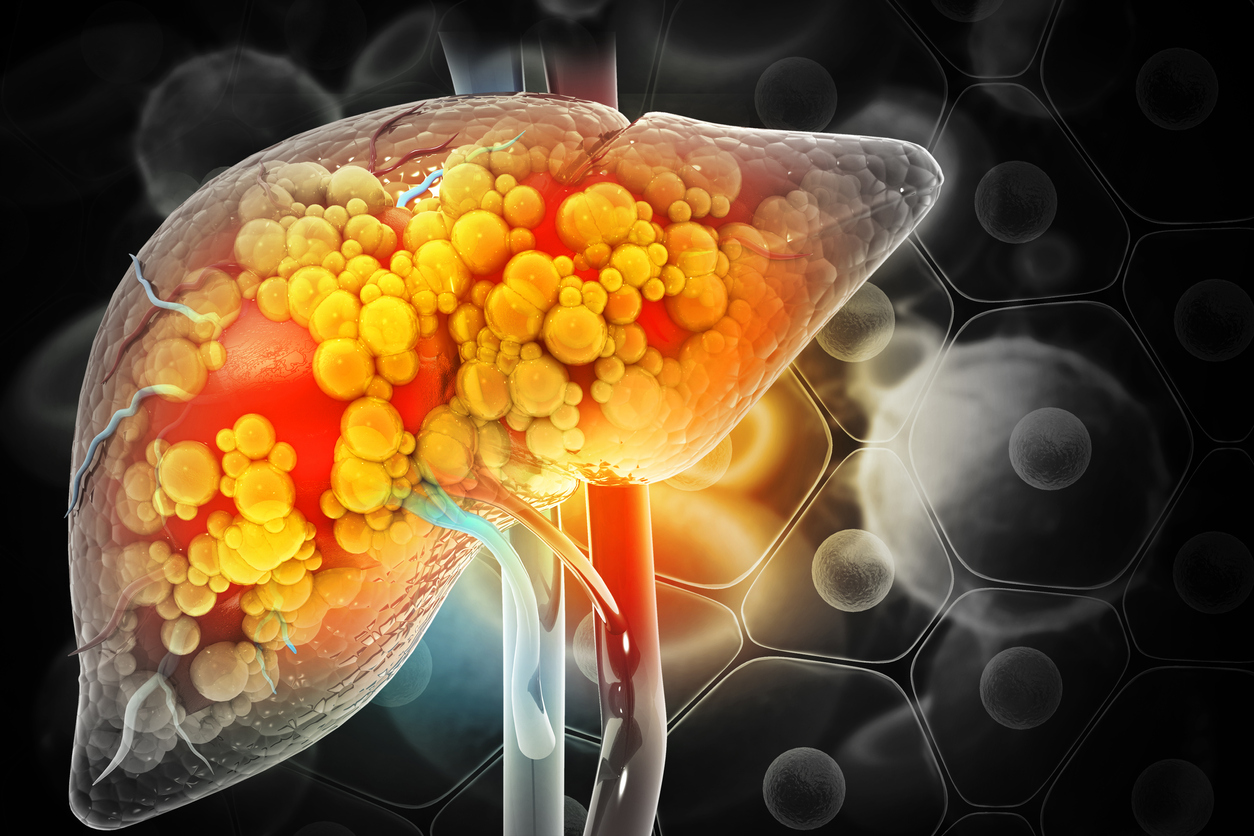
Everything You Need to Know About Cirrhosis
Cirrhosis is a complex and serious medical disorder that can have devastating effects on your health. It’s caused by long-term liver damage, which could be the result of lifestyle or genetic factors or even due to pre-existing diseases such as hepatitis B or C. Although it may sound intimidating and overwhelming, understanding Cirrhosis and knowing how to recognize its early signs is an important step in getting a timely diagnosis and treatment. With this blog post, we aim to provide you with comprehensive information about this condition so that you can better understand its causes, symptoms, treatments available for managing it effectively, as well as the risk factors that may increase your likelihood of developing Cirrhosis.
What is Cirrhosis, and what are the symptoms of the disease
Cirrhosis begins with chronic injury to the liver as a result of an infection, long-term alcohol abuse, or high levels of fatty substances in the blood. It is essential to stay informed about the symptoms, which include jaundice, itching, abdominal pain, and fluid accumulation in the abdomen or legs. Proactive steps like abstaining from alcohol use and living a healthy lifestyle can help prevent it from occurring. Additionally, it is important for those with Cirrhosis to follow their doctor’s advice carefully to manage the symptoms and promote healthier functioning of their liver.
What are the causes of Cirrhosis, and how is it diagnosed
It is important to take preventive measures such as avoiding smoking, exercising regularly, and consuming a healthy diet to lessen your risk of developing Cirrhosis. Cirrhosis is often diagnosed through detailed imaging studies such as CT scans or MRIs of the abdomen, as well as blood tests to check for abnormalities within the liver. If caught early, Cirrhosis can often be managed with proper treatment and lifestyle modifications to maintain a healthy liver.
How is Cirrhosis treated, and what is the prognosis for patients
Cirrhosis can be treated by controlling or eradicating the underlying cause, and medical treatments may also be used to improve outcomes. As Cirrhosis is considered an ‘irreversible’ condition, the primary goal of treatment would be to prevent further damage to the healthy liver tissue and control complications associated with the cirrhotic process. It is, therefore, essential that patients take a proactive role in achieving successful long-term management of Cirrhosis, typically involving lifestyle changes, adhering to medication regimens as prescribed, and taking preventive measures against alcohol and drug abuse. The prognosis for Cirrhosis patients is often dependent on numerous factors such as age, underlying cause, comorbidities, diagnoses, etc. therefore, it is important that Cirrhosis must always be monitored closely by medical professionals in order to improve outcomes.
Are there any ways to prevent Cirrhosis from developing
There are steps that can be taken to reduce the chances of developing Cirrhosis in the first place. The primary way to protect your liver is to practice a healthy lifestyle, including making sure you get regular check-ups with your doctor, eating an appropriate diet for your age and activity level, avoiding alcohol or drugs, exercising regularly, and maintaining proper hygiene. Additionally, it is important to identify any potential risk factors, such as long-term hepatitis infection or certain inherited metabolic disorders, and seek treatment if necessary. If these steps are followed consistently, you can greatly improve your chances of having a healthy liver for the rest of your life.
How can people living with Cirrhosis live a full life?
Cirrhosis can have a major impact on a person’s quality of life, but fortunately, there are many steps people can take to prevent, manage, and live with the condition. The key is to identify Cirrhosis early and make lifestyle changes that can help keep the liver healthy. People living with Cirrhosis should talk to their healthcare provider about the different treatment options available and ensure they are eating nutritious food, exercising regularly, and getting adequate rest in order to boost their overall health. Additionally, avoiding certain risks, such as access to alcohol consumption or exposure to toxic substances, can go a long way towards preventing Cirrhosis from getting worse. By adopting these healthy habits and following the advice of their physicians, people with Cirrhosis can still enjoy a full life.
Where can people find more information about Cirrhosis?
If Cirrhosis has already occurred, it’s important to take proactive steps to prevent further damage. For more information about Cirrhosis and how to maintain a healthy liver, consult your physician or find online resources such as medical journals or support groups specific to Cirrhosis. Keeping well informed will better equip you with the knowledge necessary to preserve the health of your liver.
Related Articles
“`html
Understanding the Complications of Cirrhosis
Cirrhosis, being a progressive liver disease, can lead to a variety of complications that require careful monitoring and management. One of the most significant complications is portal hypertension, which occurs when the blood pressure in the portal vein that supplies the liver becomes abnormally high. This can lead to the development of varices, or enlarged veins, particularly in the esophagus and stomach, which may rupture and cause life-threatening bleeding. Ascites, the accumulation of fluid in the abdominal cavity, is another common complication, often resulting in discomfort and increased risk of infection.
In addition to these complications, cirrhosis can impair liver function, leading to hepatic encephalopathy, a condition characterized by confusion, altered level of consciousness, and even coma due to the buildup of toxins in the brain. It’s crucial for patients and their families to be aware of these potential complications and to seek immediate medical attention if symptoms such as severe abdominal pain, vomiting blood, or significant changes in mental status occur. Regular monitoring and timely intervention can help manage these complications effectively and improve quality of life.
Living with Cirrhosis: Support and Resources
Living with cirrhosis can be challenging, but with the right support and resources, patients can lead fulfilling lives. It’s important for individuals with cirrhosis to have access to a multidisciplinary healthcare team, including hepatologists, dietitians, and mental health professionals, who can provide comprehensive care tailored to their specific needs. Support groups and counseling can also be invaluable, offering patients and their families a platform to share experiences, gain insights, and receive emotional support from others facing similar challenges.
Education is a key component in managing cirrhosis effectively. Patients are encouraged to learn about their condition, understand the importance of medication adherence, and recognize the signs and symptoms that require medical attention. Lifestyle modifications, such as adopting a low-sodium diet, staying physically active, and avoiding alcohol, play a crucial role in managing cirrhosis and preventing further liver damage. By staying informed and proactive, patients can take control of their health and work towards achieving the best possible outcomes.
“`