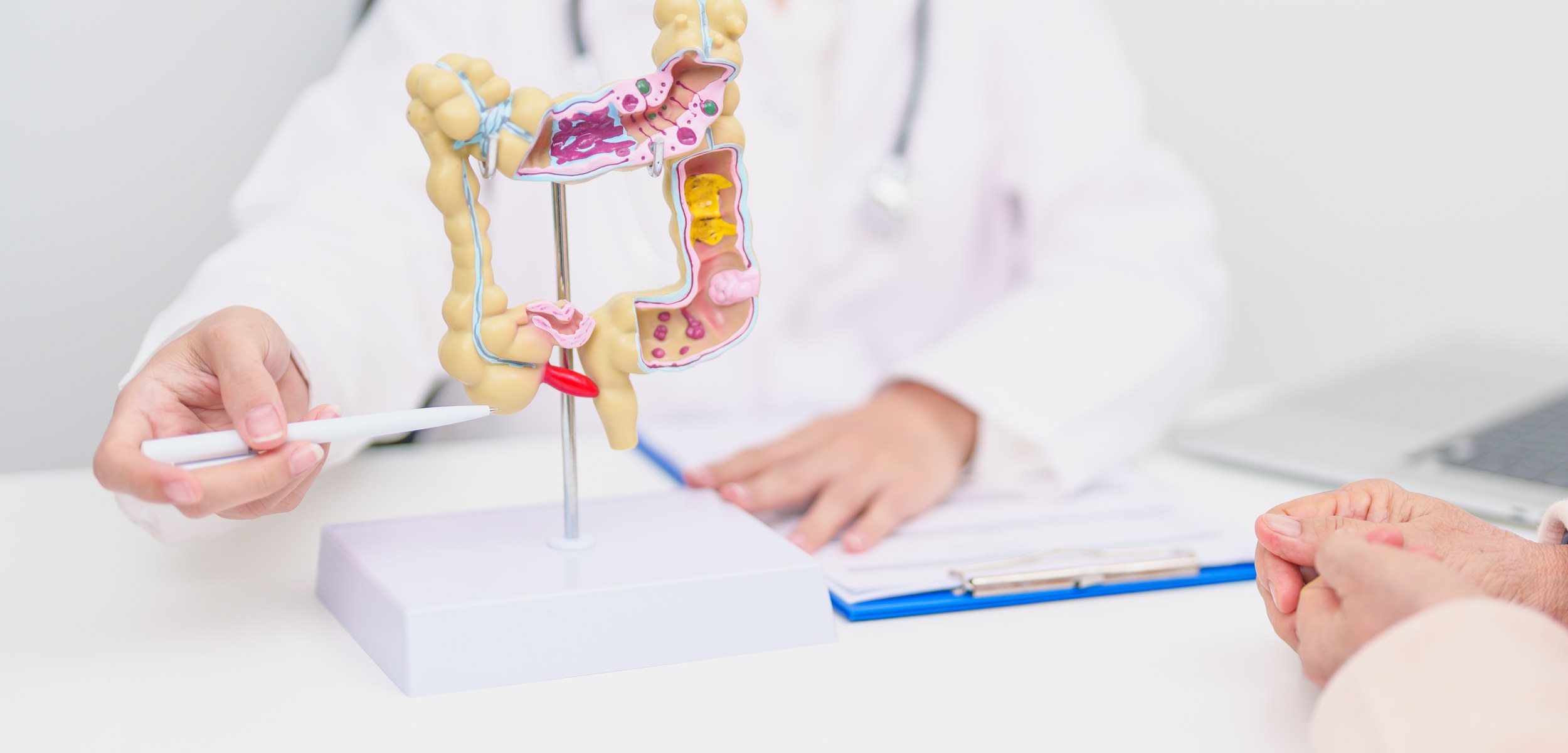
Anal fissures are small tears in the lining of the anus, often causing significant pain and discomfort during bowel movements. However, they can affect anyone but are particularly common in individuals experiencing constipation or diarrhea. Also, recognizing the symptoms and understanding treatment options is crucial for maintaining colon health. While many anal fissures heal with simple treatments, some may become chronic and require more intensive care. This guide provides insights into the causes of anal fissures, their symptoms, and available treatment options. By understanding these aspects, you can better manage the condition and improve your quality of life.
What Are Anal Fissures?
Anal fissures are small tears in the lining of the anus, typically occurring in the middle area. However, these tears can cause significant pain, especially during bowel movements. Also, the condition often involves a tight anal muscle, which increases pressure and exacerbates pain. In addition, fissures are frequently associated with constipation, diarrhea, or other bowel issues. Understanding what anal fissures are can help you identify the right treatment options and find relief. By recognizing the condition, you can take steps to alleviate symptoms and prevent further complications, ensuring better management of your digestive health.
Recognizing Symptoms
Anal fissures typically cause sharp pain during and after using the bathroom. However, bleeding is a common symptom, and the pain can be intense, sometimes lasting for hours. Some individuals may also experience itching or irritation around the anus. Also, in chronic cases, a skin tag may develop near the fissure. Early recognition of these signs is crucial for obtaining appropriate treatment and preventing chronic issues. If you experience persistent pain or bleeding, it is important to consult a doctor for a thorough evaluation and proper diagnosis to ensure effective management of the condition.
Causes of Anal Fissures
Anal fissures can occur due to various reasons, including constipation, diarrhea, and anal injury. However, straining or passing hard stools can tear the delicate anal lining. Also, in some cases, conditions such as inflammatory bowel disease or infections may contribute to the development of fissures. A diet low in fiber can also increase the risk. Understanding these causes is essential for preventing and managing fissures effectively. By paying attention to these factors, you can take proactive steps to reduce the likelihood of developing fissures and maintain better digestive health.
Initial Management
Managing anal fissures initially involves relieving symptoms and promoting healing. However, increasing fiber intake and staying hydrated can soften stools, reducing the need to strain. Also, pain relievers and warm water baths can help alleviate discomfort. In addition, in some cases, doctors may prescribe topical creams to relax the anal muscle and improve blood flow. These measures can help manage new fissures and prevent them from becoming chronic. Early intervention is crucial to avoid complications and ensure effective treatment. By addressing symptoms promptly, you can improve your comfort and support the healing process.
When Specialist Care Is Needed
While most the condition heal with basic treatments, some may require specialist care. However, fissures persisting for over six weeks often need evaluation by a specialist. Also, they can determine if additional treatments, such as botulinum toxin injections or surgery, are necessary. A common surgical procedure is lateral internal sphincterotomy, though it carries a risk of incontinence. Consulting a specialist ensures you receive an appropriate treatment plan tailored to your needs. This approach helps you achieve the best possible care and outcomes, addressing persistent fissures effectively.
Surgical Options for Anal Fissures
For this condition that do not heal with basic care, surgery might be considered. However, lateral internal sphincterotomy is a common surgical option, designed to reduce anal muscle pressure and facilitate healing. While effective, this procedure carries a risk of incontinence. Also, new surgical techniques aim to minimize this risk. Other surgical options include fissurectomy and advancement flaps. Discussing these options with your doctor can help determine the most suitable solution for your condition. Surgery is typically reserved for cases that do not improve with other treatments, ensuring comprehensive care.
Impact on Daily Life
The disease can significantly impact daily life, causing pain and discomfort. However, they may lead to fear of using the bathroom and avoidance of certain activities. Chronic pain can also disrupt sleep and interfere with daily routines. Also, addressing symptoms and seeking appropriate care is crucial for improving quality of life. Support from healthcare professionals and lifestyle adjustments can help manage the condition effectively. Understanding both the emotional and physical effects of the illness is important for comprehensive care, ensuring that you receive the support needed to manage the condition.
Preventive Measures for Anal Fissures
Preventing the condition involves maintaining healthy bathroom habits and minimizing strain. However, consuming fiber-rich foods and staying hydrated helps keep stools soft, reducing the risk of tears. Regular physical activity and avoiding prolonged sitting can also support digestion. Also, monitoring bowel habits and addressing any changes promptly can prevent the development of fissures. Implementing these simple lifestyle changes can significantly reduce the discomfort associated with this condition and promote overall digestive health. By taking proactive steps, you can minimize the risk of fissures and maintain better colon health.
Dietary Considerations for Fissure Management
Diet plays a crucial role in managing and preventing the disease. However, A high-fiber diet helps soften stools and reduce straining, aiding in the healing process. Also, foods rich in fiber include fruits, vegetables, whole grains, and beans. In addition, adequate water intake supports digestion and prevents constipation, further promoting healing. Adjusting your diet can help manage symptoms and facilitate recovery. Consulting a dietitian can provide personalized advice tailored to your specific needs, supporting both colon and digestive health. By focusing on dietary considerations, you can enhance your overall management of the illness.
Understanding Rectal Pain
Rectal pain is a common symptom associated with the condition, often described as sharp or burning, particularly during bathroom use. However, this pain results from the tear and accompanying muscle spasm. Also, managing rectal pain involves treating the fissure itself and using pain relief methods such as warm baths and topical creams. If the pain persists, it is important to consult a doctor to rule out other potential issues. Proper management of rectal pain can greatly enhance comfort and improve your quality of life, ensuring effective treatment of the underlying fissure.
Fissures and Digestive Health
This condition can impact digestive health by altering bowel habits and causing discomfort. However, chronic fissures may lead to avoidance of bathroom use due to pain, potentially resulting in constipation and additional stress on the digestive system. Also, maintaining colon health involves promptly treating fissures and adopting healthy bathroom habits. Regular check-ups with a healthcare provider can help monitor colon health and prevent fissure-related complications. Understanding how fissures affect digestion is important for effective management, ensuring that you take the necessary steps to support your digestive system and overall well-being.
Topical Treatments for Anal Fissures
Topical treatments are commonly used for managing the disease, particularly chronic ones. However, creams such as nitrates and calcium channel blockers work by relaxing the anal muscle and enhancing blood flow, which aids in healing. While these treatments can reduce pain and promote recovery, they may cause side effects like headaches. It is important to follow medical advice when using these treatments and report any side effects to your doctor. Topical treatments offer a non-surgical option for managing the illness, providing relief and supporting the healing process without invasive procedures.
Botulinum Toxin Treatment for Fissures
Botulinum toxin injections are a treatment option for chronic the condition. However, the toxin temporarily relaxes the anal muscle, reducing pressure and facilitating healing. Also, this approach may be suitable for individuals who do not respond to topical creams. However, there is a risk of temporary incontinence associated with this treatment. It is important to discuss the benefits and risks with your doctor to determine if this option is appropriate for you. Weighing the pros and cons carefully can help you make an informed decision about your treatment plan.
Importance of Accurate Diagnosis
Accurate diagnosis is essential for effectively managing this condition. However, A doctor can perform an examination and assess symptoms to confirm the condition. Also, misdiagnosis can lead to inappropriate treatment and increased discomfort. Therefore, it is important to seek medical attention if you experience pain or bleeding. Early diagnosis and treatment can prevent complications and improve outcomes. A correct diagnosis forms the foundation of successful treatment, allowing for targeted care that addresses the specific needs of your condition and enhances your overall management strategy.
Lifestyle Changes for Fissure Prevention
Lifestyle changes can play a significant role in healing the disease and preventing recurrence. However, regular exercise, stress management, and a balanced diet are important components of a healthy lifestyle. Avoiding prolonged sitting and maintaining good hygiene can also promote healing. Also, these lifestyle adjustments, combined with medical treatment, can enhance recovery and reduce the risk of chronic fissures. Consulting a healthcare professional can provide personalized lifestyle advice tailored to your needs. Small changes can have a substantial impact on your health, making it easier to manage and prevent the illness.
Emergency Care Situations for Anal Fissures
While the condition are generally not life-threatening, there are situations where emergency care may be necessary. However, severe pain, heavy bleeding, or signs of infection such as fever could indicate complications. Also, seeking prompt medical attention is crucial to prevent further issues. Recognizing when to seek emergency care ensures timely intervention and helps avoid serious health problems. Always consult a healthcare professional if you are concerned about your symptoms. Taking early action can prevent larger health issues and ensure you receive quick and effective care, safeguarding your overall health.
Call To Action
If you are experiencing symptoms or are due for a screening, expert care can make a real difference. To learn more about your options or request an appointment, visit GI Associates.
Citations
- The Cochrane database of systematic reviews (2022) – Water for wound cleansing.
https://pubmed.ncbi.nlm.nih.gov/36103365/ - The Surgical clinics of North America (2026) – Anal Fissures.
https://pubmed.ncbi.nlm.nih.gov/41241444/ - The Surgical clinics of North America (2024) – Management of Hemorrhoids and Anal Fissures.
https://pubmed.ncbi.nlm.nih.gov/38677814/
For education only, not medical advice.