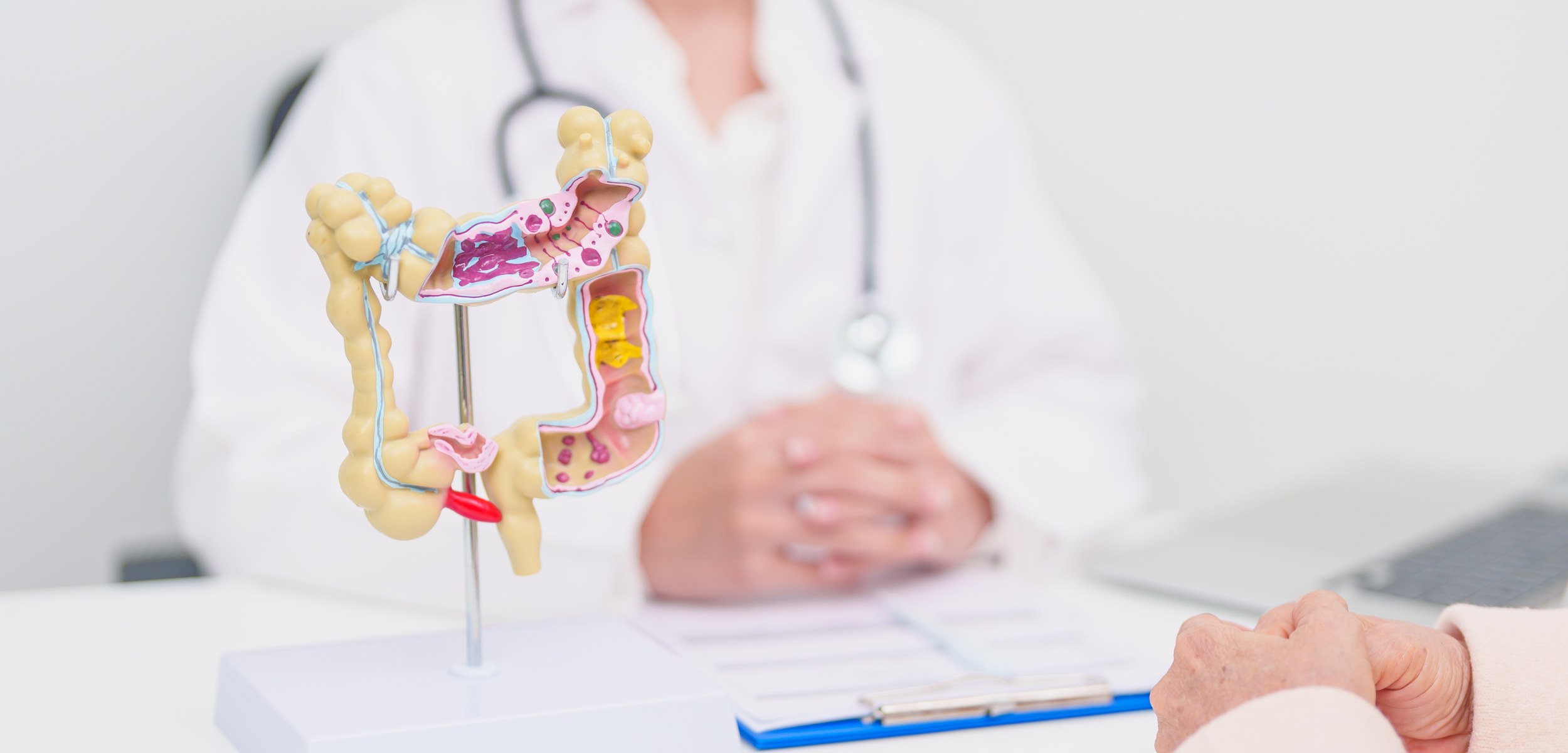
Hemorrhoids are a common condition that can cause significant discomfort. However, they occur when veins in the lower rectum or anus become swollen. Also, symptoms often include bleeding and itching, which many find distressing. In addition, understanding the causes and treatments for hemorrhoids is vital for maintaining digestive health. By learning about this condition, you can discover ways to manage and alleviate symptoms effectively. This knowledge empowers you to take proactive steps towards relief, ultimately enhancing your quality of life. Being informed about hemorrhoids can help you make better health decisions and improve your overall well-being.
Understanding What Hemorrhoids Are
Hemorrhoids are swollen veins in the lower rectum and anus. They often happen because of too much pressure in these areas. However, hemorrhoids can be inside the rectum or outside, under the skin around the anus. Also, even though they are common, they can be very uncomfortable. In addition, symptoms include pain, itching, and bleeding. Knowing about hemorrhoids helps you spot symptoms early. This way, you can get the right treatment to keep your digestive system healthy. Being informed helps you manage symptoms and avoid problems.
Recognizing Symptoms of Hemorrhoids
Symptoms of hemorrhoids can vary between individuals. However, common signs include itching, discomfort, and rectal bleeding. Internal hemorrhoids may cause painless bleeding during bowel movements, while external ones can be painful and swollen. Also, recognizing these symptoms early allows for timely medical advice, making management easier. If symptoms persist, consulting a doctor is crucial. Early intervention can prevent complications and improve your quality of life. It also ensures any underlying issues are identified and treated promptly. Understanding these symptoms helps in seeking appropriate care and maintaining digestive health.
Common Causes of Hemorrhoids
Many things can lead to hemorrhoids. However, sitting for a long time, straining during bowel movements, and being constipated often can cause them. Also, not moving enough and eating poorly can raise the risk. Knowing these causes helps you prevent and manage hemorrhoids. By fixing these risk factors, you can lower your chances of getting hemorrhoids. This also helps keep your colon healthy. Changing your lifestyle, like exercising more and eating better, can greatly lower your risk and improve your digestive health.
The Role of Diet in Prevention
What you eat can help prevent hemorrhoids. However, eating lots of fiber keeps bowel movements regular and reduces straining. Also, straining is a common cause of hemorrhoids. In addition, foods with fiber, like fruits, vegetables, and whole grains, are good choices. Drinking enough water is also important. It softens stools and helps digestion. By changing your diet, you can support your digestive health and possibly prevent hemorrhoids. Keeping up with these eating habits can improve your digestive health over time and lower the risk of problems.
Managing Hemorrhoids at Home
You can manage hemorrhoids at home with some simple steps. However, warm baths and over-the-counter creams can help. Also, avoid straining during bowel movements. Eating a high-fiber diet and drinking plenty of water are also important. These home remedies can ease discomfort and help healing. But if symptoms don’t improve, see a doctor for more help. Home care works for mild cases, but a doctor’s advice ensures you get the right care. This also helps with any possible complications.
When to Consult a Specialist for Hemorrhoids
Certain hemorrhoid cases require specialist care. However, persistent pain, significant bleeding, or protruding hemorrhoids may necessitate medical intervention. Also, A doctor can evaluate the severity and recommend suitable treatments, which might include minor procedures or surgery. In addition, consulting a specialist early can prevent complications and improve condition management. Expert advice provides reassurance and tailored treatment options that address your specific needs. This approach ensures that symptoms are effectively managed, offering relief and improving your quality of life. Seeking specialist care when needed is an important step in managing hemorrhoids.
Impact of a Sedentary Lifestyle
A sedentary lifestyle can contribute to hemorrhoid development. However, prolonged sitting increases pressure on veins in the rectum and anus, potentially leading to hemorrhoids. Also, regular exercise can reduce this risk by improving blood circulation and promoting regular bowel movements. Incorporating physical activity into your daily routine benefits overall health and may help prevent hemorrhoids. Simple changes, such as standing more often and engaging in light exercises, can significantly impact your health. These adjustments not only lower hemorrhoid risk but also enhance general well-being, making them valuable lifestyle modifications.
Micronized Purified Flavonoid Fraction for Hemorrhoids
Micronized purified flavonoid fraction (MPFF) may assist in managing hemorrhoid symptoms. However, research suggests MPFF can alleviate issues like bleeding, pain, and discharge. Also, this treatment might benefit individuals experiencing sudden hemorrhoid symptoms. However, consulting a healthcare professional is essential to determine its suitability for your condition. Personalized medical advice ensures that treatments align with your specific health needs, providing optimal relief and symptom management. Discussing MPFF with your doctor can help you make informed decisions about your treatment options, enhancing your overall care.
Surgical Options for Severe Hemorrhoids
For severe hemorrhoids unresponsive to other treatments, surgery might be necessary. However, procedures such as hemorrhoidectomy or rubber band ligation can effectively remove or reduce the condition. Also, these options are typically considered for cases with severe symptoms or complications. In addition, A specialist can guide you in selecting the most appropriate surgical intervention. Surgery is usually reserved for situations where other treatments have failed or when complications arise. This approach ensures you receive the most effective treatment available, tailored to your specific condition and needs, providing relief and improving your quality of life.
Constipation’s Role in Hemorrhoid Development
Constipation is a common factor in hemorrhoid development. However, straining during bowel movements increases pressure on veins in the rectum and anus, potentially leading to this condition. Also, addressing constipation through dietary changes, adequate hydration, and regular exercise can help prevent the disease. If constipation persists, seeking medical advice is important for further assistance. Effectively managing constipation reduces the risk of the illness and promotes comfortable digestion. It also supports overall digestive health, making it a crucial aspect of hemorrhoid prevention and management. Taking proactive steps can significantly impact your digestive well-being.
Understanding Rectal Bleeding
Rectal bleeding is often associated with the condition but can indicate other conditions. While this condition are a common cause, other possibilities include anal fissures or colon issues. However, if you experience rectal bleeding, consulting a doctor for a thorough evaluation is essential. This helps identify the cause and determine the appropriate treatment. Prompt medical attention can detect serious conditions early, ensuring effective management. It also addresses any underlying problems, providing peace of mind and guiding you towards the best course of action for your health.
Maintaining Digestive Health for Prevention
Maintaining a healthy digestive system is key to preventing the disease. However, A diet rich in fiber, adequate hydration, and regular physical activity support digestive health. Also, these practices promote regular bowel movements and reduce constipation risk, a common cause of the illness. In addition, by prioritizing digestive health, you can lower your risk of developing the condition. Consistent efforts in this area offer long-term benefits and decrease the likelihood of related issues. Focusing on digestive wellness is a proactive approach to overall health, enhancing your quality of life and preventing discomfort.
Age and Gender Influence on Hemorrhoid Risk
Age and gender can affect the risk of getting this condition. However, older people and men are more likely to have them. Also, as you age, the tissues supporting veins in the rectum and anus can weaken. In addition, this increases the chance of the disease. Knowing these risk factors helps you take steps to prevent them. It also helps you seek medical advice quickly if symptoms appear. Being aware of your risks guides you in managing your health. This ensures any issues are handled quickly.
Non-Surgical Treatments for Hemorrhoids
Non-surgical hemorrhoid treatments include lifestyle modifications, dietary improvements, and medications like MPFF. However, these approaches aim to alleviate symptoms and prevent recurrence. While non-surgical options are effective for many, consulting a healthcare provider is crucial to determine the best plan for you. Also, early intervention can lead to improved outcomes and enhance your quality of life. Tailored treatment plans ensure that management strategies are effective, providing optimal relief and symptom control. Discussing options with your doctor allows for personalized care, addressing your specific needs and promoting better health.
Factors for Hemorrhoid Recurrence
The illness can recur, especially if underlying causes aren’t addressed. However, factors like prolonged sitting, constipation, and poor diet contribute to recurrence. Additionally, the time since initial treatment can influence recurrence rates. Also, by addressing these risk factors through lifestyle changes and medical treatments, you can reduce the likelihood of the condition returning. Effective management of these factors is crucial for long-term relief, ensuring any issues are promptly addressed. This proactive approach helps maintain comfort and prevents future complications, supporting better health and quality of life.
Seeking Medical Advice for Persistent Hemorrhoid Symptoms
Persistent hemorrhoid symptoms warrant a doctor’s visit. However, if you experience ongoing pain, significant bleeding, or protruding this condition, professional evaluation is necessary. Also, A doctor can assess your condition and recommend appropriate treatments, which may include both non-surgical and surgical options. In addition, early medical intervention can prevent complications and improve condition management. Professional guidance ensures symptoms are addressed promptly and effectively, providing the best possible relief and management for your condition. Seeking timely medical advice is essential for maintaining health and enhancing your quality of life.
Call To Action
If you are experiencing symptoms or are due for a screening, expert care can make a real difference. To learn more about your options or request an appointment, visit GI Associates.
Citations
- Advances in therapy (2020) – Micronized Purified Flavonoid Fraction in Hemorrhoid Disease: A Systematic Review and Meta-Analysis.
https://pubmed.ncbi.nlm.nih.gov/32399811/ - Advances in therapy (2023) – Recurrence Rates and Pharmacological Treatment for Hemorrhoidal Disease: A Systematic Review.
https://pubmed.ncbi.nlm.nih.gov/36331754/ - The Surgical clinics of North America (2026) – Hemorrhoids.
https://pubmed.ncbi.nlm.nih.gov/41241446/
For education only, not medical advice.