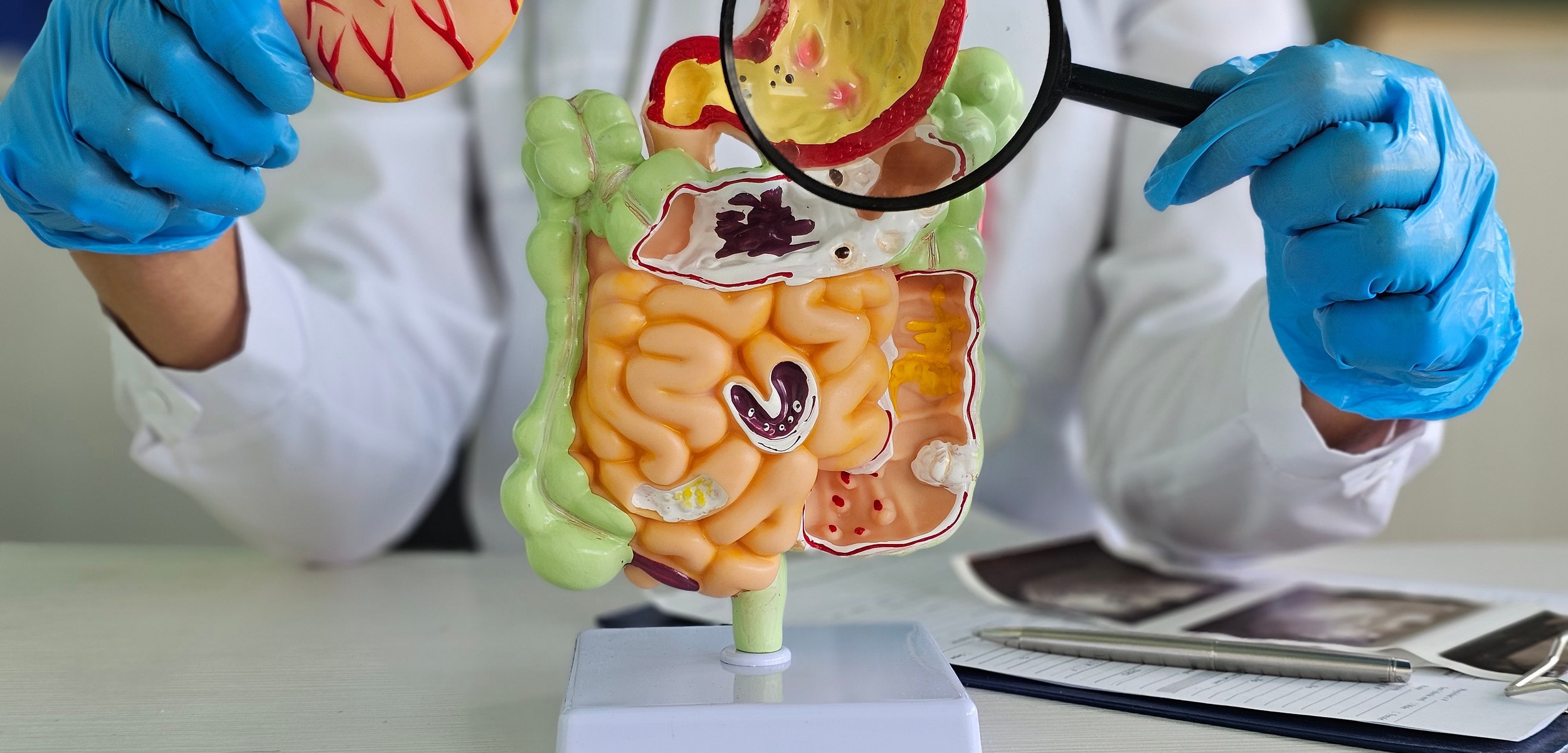
Knowing why rectal bleeding happens and recognizing signs is important. However, seeing blood in the toilet can be scary. Also, it might be from simple problems like hemorrhoids or more serious ones like cancer. In addition, this knowledge helps you know when to see a doctor and how to keep your digestive system healthy. Being informed lets you take steps to protect your health. Understanding symptoms and possible causes can guide you in getting medical advice quickly, so you can deal with any problems right away.
Recognizing Symptoms of Rectal Bleeding
Blood in your stool can appear in various forms. Bright red blood typically originates from the lower digestive tract, while darker blood might indicate an issue higher up. However, the volume of blood can indicate the severity of the problem. Also, if you notice a significant amount of blood or if the bleeding persists, it’s crucial to consult a doctor immediately. Early detection of these signs can facilitate prompt intervention. Seeking medical attention early is vital for effectively managing rectal bleeding and maintaining the health of your digestive system.
Rectal bleeding: Common Causes of Bleeding from the Rectum
Bleeding from the rectum can occur for several reasons. However, hemorrhoids are swollen veins in the rectal area, often caused by excessive straining during bowel movements. Also, anal fissures, which are small tears in the anal lining, can lead to pain and bleeding. In addition, diverticular disease involves the formation of small pouches in the colon that might bleed. Understanding these common causes of rectal bleeding is crucial for seeking the right treatment. By recognizing the symptoms, you can take appropriate action and seek medical advice when necessary, ensuring you address any potential health issues promptly.
When to Consult a Specialist for Rectal Bleeding
Minor bleeding might be handled at home, but some signs need a doctor’s help. However, if you have severe pain, lose weight without trying, or notice changes in bowel habits, see a doctor. Also, these symptoms might mean serious conditions like cancer or inflammatory bowel disease. In addition, ongoing bleeding needs a specialist’s check. They might do tests, like a colonoscopy, to find out what’s wrong and give the right treatment. Getting medical advice quickly ensures you get the care needed to handle health issues.
Effects of Rectal Bleeding on Colon Health
Ignoring rectal bleeding can lead to serious problems for your colon. However, ongoing bleeding might cause anemia, which makes you tired and weak due to low blood levels. It can also mean polyps or even cancer are present. Also, seeing a doctor quickly is important to keep your colon healthy and avoid more problems. Regular check-ups and tests are key to finding issues early and getting treatment in time. Taking steps to address rectal bleeding is important for protecting your colon and preventing issues.
Understanding Blood in Stool
Blood in your stool can be scary and shouldn’t be ignored. However, it might look like bright red streaks or dark, tarry stools. While it could be from small issues like hemorrhoids, it might also mean more serious problems like cancer. Also, any blood in your stool needs a doctor’s check to find out why and suggest treatment. Knowing what blood in stool can mean helps you get medical advice quickly. This keeps your digestive health in check and reduces the risk of problems.
Diagnostic Approaches for Gastrointestinal Bleeding
Doctors use different methods to find out why there’s bleeding in the digestive system. However, they start with a detailed health history and physical check. Also, an endoscopy lets them look inside the digestive tract. In addition, sometimes, imaging scans help find hidden problems. Figuring out the exact cause of bleeding is important for making a good treatment plan. Working with your doctor ensures you get the right care to handle the bleeding. Knowing how doctors diagnose helps you feel more informed and involved in your health care.
Home Management of Minor Rectal Bleeding
For minor rectal bleeding, some home remedies might help. However, eating more fiber can soften stools, making them easier to pass and reducing strain. Also, this can help with hemorrhoids and fissures. Drinking plenty of water and using creams can also ease discomfort. In addition, if symptoms don’t go away, see a doctor. Home care should always be guided by a professional to be safe and effective. Knowing when to get medical help is important for managing rectal bleeding. Taking these steps can help keep your digestive system healthy.
Preventive Measures for Rectal Bleeding
Preventing rectal bleeding involves healthy habits that support your digestive system. However, eating lots of fruits, vegetables, and whole grains helps with regular bowel movements. Regular exercise and drinking enough water are also important. Also, avoiding long periods of sitting and not straining during bowel movements can lower the risk of hemorrhoids and fissures. These habits support a healthy digestive system and reduce the chance of problems. By making these lifestyle changes, you can improve your digestive health and lower the risk of related issues.
Endoscopy’s Role in Managing Bleeding
Endoscopy is an essential tool for diagnosing and managing bleeding in the digestive system. However, it allows doctors to examine the inside of the digestive tract and use specialized instruments to stop bleeding. While generally safe, discussing potential risks with your doctor is important to fully understand the procedure. Being informed about what to expect can alleviate concerns and prepare you for the process. Endoscopy aids in identifying the cause of bleeding and guides treatment, supporting the management of your digestive health.
Pharmacological Interventions for Bleeding
Medications can be effective in managing bleeding within the digestive system, particularly for conditions like inflammatory bowel disease or ulcers. Some medications work by reducing stomach acid, while others help tighten blood vessels to control bleeding. However, It’s crucial for a doctor to monitor medication use to prevent side effects. Open communication with your doctor about medication options ensures that your treatment is both safe and effective. Understanding how medications assist in managing bleeding enables you to make informed health decisions.
Surgical Interventions for Severe Bleeding
Surgery may be necessary for severe bleeding or when other treatments are ineffective. However, surgical procedures can remove problematic polyps or repair damaged blood vessels, addressing the root cause of bleeding. Also, surgery is typically considered a last resort when other treatments have failed. Before undergoing surgery, it’s important to discuss the potential risks and benefits with your doctor to make an informed decision. Understanding how surgery can help manage severe bleeding prepares you for the procedure and its impact on your health.
Addressing Obscure Gastrointestinal Bleeding
Obscure gastrointestinal bleeding happens when the source isn’t easy to find. However, diagnosing it can be tough and might need special tests. Also, capsule endoscopy, where you swallow a small camera, is sometimes used to find the bleeding source. In addition, this type of bleeding can be seen or only found through tests. Finding the cause is important for managing it and preventing more problems. Knowing the diagnostic process for this kind of bleeding helps you work with your doctor to address it fully.
The Importance of Regular Colon Screenings
Maintaining a healthy colon is vital for preventing rectal bleeding and ensuring proper digestion. However, regular screenings, such as colonoscopies, can detect potential issues early, allowing for timely treatment. By focusing on colon health, you can reduce the risk of bleeding and other digestive problems. Prioritizing regular screenings not only protects your colon but also contributes to your overall health and peace of mind. Understanding the significance of colon health encourages proactive steps to safeguard your digestive system, ensuring you remain healthy and comfortable in your daily life.
Lifestyle Changes to Enhance Digestive Health
Adopting a healthy lifestyle supports your digestive system. However, consuming a balanced diet rich in fiber, staying physically active, and drinking plenty of water are essential habits. Avoiding smoking and limiting alcohol intake also contribute to digestive health. These lifestyle changes not only help prevent disease but also improve overall health. By implementing these changes, you can enhance your digestive system’s function and reduce the risk of related issues. Understanding how lifestyle choices impact health empowers you to take control of your well-being.
Monitoring and Follow-Up for Gastrointestinal Bleeding
Regular check-ups are important if you’ve had bleeding in the digestive system. However, keep track of symptoms and any changes in bowel habits to help your doctor see if treatment is working. Also, follow-up visits might include more tests to ensure the problem is fixed. In addition, keeping open communication with your doctor is key to managing bleeding well. Discussing any concerns or changes ensures you get the right care. Knowing the importance of follow-up care helps you stay proactive in managing your digestive health.
Emergency Situations Involving Gastrointestinal Bleeding
Certain bleeding situations in the digestive system require immediate medical attention. However, if bleeding is heavy or accompanied by dizziness, fainting, or severe abdominal pain, seek emergency care. Also, these symptoms may indicate a serious condition that needs urgent treatment. In addition, if bleeding occurs with unexplained weight loss or changes in bowel habits, prompt evaluation is necessary. Acting swiftly can prevent life-threatening complications and ensure timely medical intervention. Recognizing when to seek emergency help empowers you to respond effectively to serious health concerns.
Call To Action
If you are experiencing symptoms or are due for a screening, expert care can make a real difference. To learn more about your options or request an appointment, visit GI Associates.
Citations
- Gastrointestinal endoscopy clinics of North America (2024) – Diagnosis of Occult and Obscure Gastrointestinal Bleeding.
https://pubmed.ncbi.nlm.nih.gov/38395486/ - World journal of gastroenterology (2024) – Advancements in hemostatic strategies for managing upper gastrointestinal bleeding: A comprehensive review.
https://pubmed.ncbi.nlm.nih.gov/38681987/ - Journal of gastrointestinal surgery : official journal of the Society for Surgery of the Alimentary Tract (2022) – Acute Upper Non-variceal and Lower Gastrointestinal Bleeding.
https://pubmed.ncbi.nlm.nih.gov/35083723/
For education only, not medical advice.