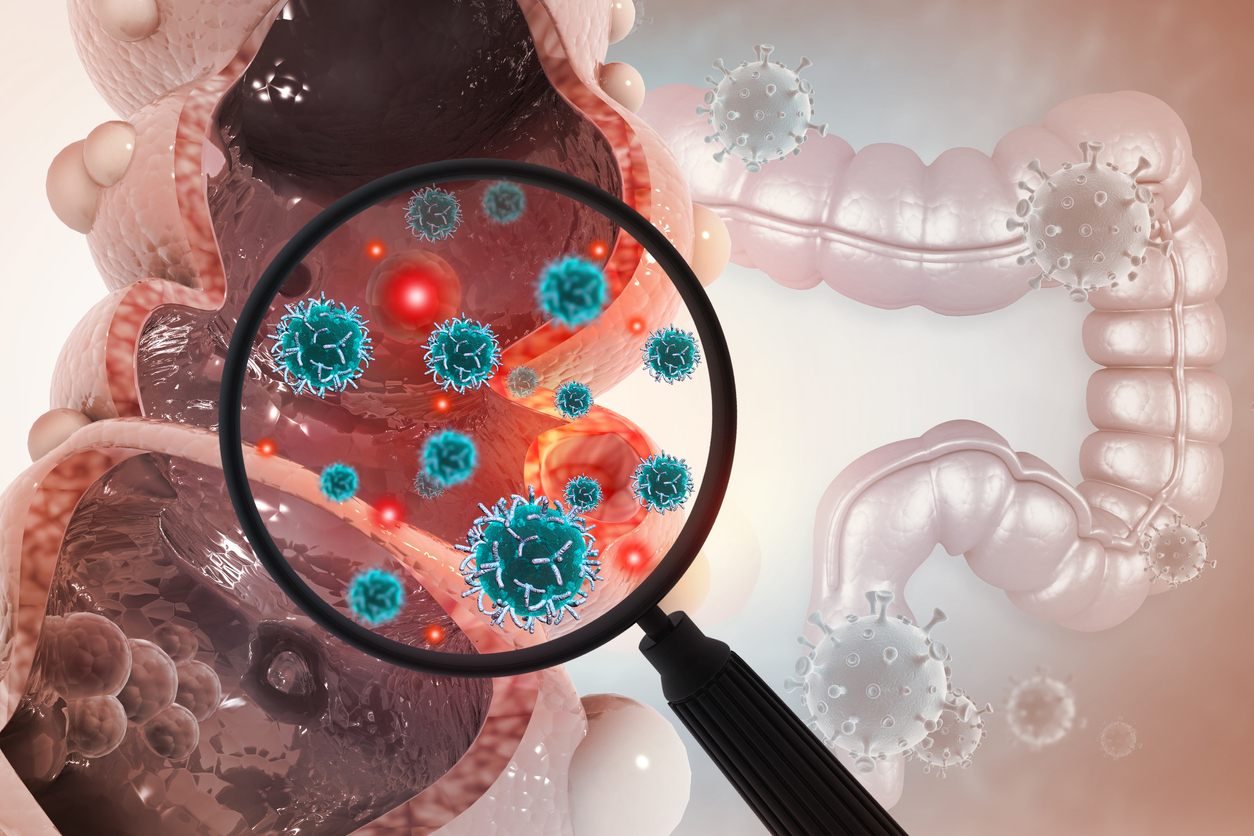
Colon Cancer: The Impact of Smoking and Recognizing Symptoms
Colon cancer, a major form of cancer that affects the large intestine, is influenced by several risk factors, including genetics, diet, lifestyle choices, and, notably, smoking. Understanding how smoking contributes to the development of colon cancer and recognizing the early symptoms of the disease can play a crucial role in early detection and effective management.
The Link Between Smoking and Colon Cancer
Smoking tobacco is a well-established risk factor for various types of cancer, including colon cancer. The carcinogens found in tobacco smoke can promote colon cancer in several ways:
- DNA Damage: Smoking introduces a variety of harmful chemicals into the body that can directly damage the DNA of cells in the colon, leading to mutations that may increase cancer risk.
- Inflammation: Tobacco smoke can cause and exacerbate inflammation in the colon, which may increase the likelihood of cancer development.
- Polyp Formation: Smoking has been associated with an increased risk of developing polyps, particularly adenomatous polyps, which are a common precursor to colon cancer.
Symptoms of Colon Cancer
Early-stage colon cancer often does not cause symptoms, which is why screening is crucial. However, as the disease progresses, symptoms may become more apparent, including:
- Changes in Bowel Habits: Persistent changes in bowel habits, such as diarrhea, constipation, or a change in the consistency of stool that lasts more than a few weeks.
- Rectal Bleeding or Blood in Stool: One of the most noticeable signs, presenting as bright red or very dark blood.
- Abdominal Discomfort: Frequent gas, bloating, fullness, cramps, or pain.
- Feeling of Incompleteness: The sensation that the bowel does not empty completely after a bowel movement.
- Weakness or Fatigue: This may occur with or without accompanying anemia.
- Unexplained Weight Loss: Losing weight without changes in diet or exercise habits.
Prevention and Early Detection
Preventing colon cancer involves addressing modifiable risk factors such as smoking:
- Quit Smoking: Stopping smoking is crucial, not only for reducing the risk of colon cancer but also for preventing other cancers and improving overall health.
- Regular Screening: Screening for colon cancer is recommended starting at age 45 for most adults but earlier for those with additional risk factors like a family history of the disease. Screening methods such as colonoscopy can detect polyps before they turn cancerous and catch cancer at an early stage when it is most treatable.
- Healthy Lifestyle Choices: Maintaining a healthy weight, eating a diet rich in fruits, vegetables, and whole grains, and reducing the intake of red and processed meats can also help reduce the risk of colon cancer.
The Role of Genetics in Colon Cancer Risk
While lifestyle choices play a significant role in colon cancer risk, genetics also have a critical influence. About 5 to 10 percent of all colon cancers are considered hereditary, caused by genetic mutations passed down through families. The most well-known of these is Lynch syndrome, also known as hereditary nonpolyposis colorectal cancer (HNPCC), which significantly increases the risk of colon cancer and other cancers. People with a family history of colon cancer, especially if diagnosed at a young age, may have a higher risk and should consider genetic counseling and testing to assess their risk and inform appropriate screening strategies.
Lifestyle Modifications to Aid Prevention and Management
To effectively aid the prevention and management of colon cancer, adopting a series of lifestyle modifications is key. Incorporating regular physical activity into one’s daily routine can significantly lower the risk of developing colon cancer. Exercise not only helps in maintaining a healthy weight but also reduces inflammation and improves immune function, making the body less conducive to cancer development. Similarly, dietary changes, such as increasing the intake of fiber-rich fruits, vegetables, and whole grains while reducing the consumption of alcohol and processed foods, can play a pivotal role in colon cancer prevention. These lifestyle adjustments, alongside regular medical screenings and attention to body changes, can substantially contribute to early detection and successful management of colon cancer.
Conclusion
The connection between smoking and an increased risk of colon cancer underscores the importance of lifestyle choices in cancer prevention. Recognizing the symptoms of colon cancer and participating in regular screening is essential for early detection and effective treatment. For smokers or those with a history of smoking, it is particularly important to adhere to screening recommendations and consider lifestyle changes that can reduce cancer risk.
Related Articles
“`html
Understanding the Importance of Lifestyle Modifications
Making informed lifestyle choices can significantly impact your risk of developing colon cancer. In addition to quitting smoking, engaging in regular physical activity is crucial. Exercise helps maintain a healthy weight, which is important because obesity has been linked to an increased risk of colon cancer. Aim for at least 150 minutes of moderate aerobic activity or 75 minutes of vigorous activity each week, as recommended by health professionals.
Another essential lifestyle modification involves dietary choices. Consuming a diet high in fiber from fruits, vegetables, and whole grains can support colon health. Fiber aids in digestion and may help eliminate potential carcinogens from the digestive tract. Additionally, limiting alcohol intake and avoiding excessive consumption of red and processed meats can further reduce your risk. Adopting these dietary habits not only contributes to colon cancer prevention but also enhances overall health and well-being.
Emphasizing the Importance of Regular Medical Check-Ups
Regular medical check-ups and screenings are fundamental in the early detection and prevention of colon cancer. Discuss with your healthcare provider when to begin screening based on your personal and family medical history. Colonoscopy remains the gold standard for colon cancer screening, but other options such as stool tests and flexible sigmoidoscopy are available. It is essential to adhere to the recommended screening schedule, as early detection of polyps or cancerous changes can significantly increase the chances of successful treatment.
Moreover, staying informed about your health and any potential symptoms is vital. If you experience any persistent changes in your bowel habits, abdominal discomfort, or other symptoms associated with colon cancer, seek medical advice promptly. Early intervention can make a critical difference in outcomes. Remember, taking proactive steps and maintaining open communication with your healthcare provider can empower you to manage your health effectively and reduce your risk of colon cancer.
“`