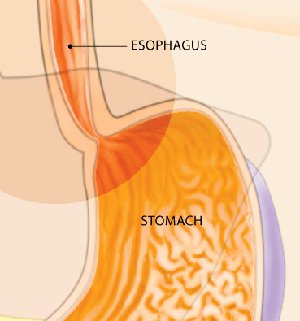
Gastroesophageal Reflux Disease (GERD): Causes and Symptoms
Gastroesophageal Reflux Disease (GERD) is a chronic condition characterized by frequent acid reflux, where stomach acid, or, occasionally, stomach content, flows back into the esophagus. This backwash (reflux) can irritate the lining of the esophagus and cause various uncomfortable symptoms. Understanding the causes and recognizing the symptoms of GERD is essential for effective management and treatment.
Causes of GERD
GERD arises from the dysfunction of the lower esophageal sphincter (LES), a circular band of muscle at the end of your esophagus that normally acts as a valve between the esophagus and stomach. Several factors contribute to the development of GERD:
- LES Dysfunction: If the LES weakens or relaxes inappropriately, it fails to prevent stomach acid from flowing back into the esophagus.
- Hiatal Hernia: This condition occurs when the upper part of the stomach and the LES move above the diaphragm, allowing acid to escape into the esophagus.
- Overeating: Large meals can increase stomach pressure, pushing acid up into the esophagus.
- Obesity: Excess fat, particularly around the abdomen, can increase pressure on the stomach, leading to acid reflux.
- Certain Foods and Drinks: Items such as fatty foods, spicy foods, chocolate, caffeine, alcoholic beverages, and carbonated drinks can trigger reflux.
- Smoking: Tobacco use can weaken the LES and increase the risk of acid reflux.
- Pregnancy: Hormonal changes and physical pressure from the growing fetus can lead to increased reflux during pregnancy.
- Medications: Some drugs, including aspirin, certain muscle relaxants, and blood pressure medications, can exacerbate GERD symptoms.
Symptoms of GERD
The symptoms of GERD can vary in frequency and intensity, and they may include:
- Heartburn: A burning sensation in the chest, usually after eating, which might be worse at night or when lying down. It’s the most common symptom of GERD.
- Regurgitation: The sensation of acid backing up into your throat or mouth, producing a sour or bitter taste.
- Dysphagia: Difficulty swallowing or a sensation of food being stuck in your throat.
- Chest Pain: This can occur, making it sometimes difficult to differentiate from heart disease.
- Chronic Cough: A persistent cough, which may be associated with asthma or laryngitis, can be a sign of GERD.
- Sore Throat and Hoarseness: Morning sore throat and changes in the voice can indicate reflux during sleep.
- Feeling of a Lump in the Throat: Some people may feel as though they have a lump in their throat due to GERD.
Diagnosis and Treatment of GERD
The diagnosis of GERD often begins with a review of dietary habits and lifestyle factors, followed by a physical examination. Physicians may use several tests to confirm GERD and assess the severity of the condition. These can include an upper gastrointestinal (GI) endoscopy to examine the esophagus and stomach, esophageal manometry to assess the muscle function of the esophagus and a 24-hour pH probe test to measure acid levels in the esophagus. Treatment typically involves lifestyle modifications, such as altering diet, losing weight, and quitting smoking. Over-the-counter antacids may provide quick relief, but for long-term management, stronger medications like proton pump inhibitors and H2 receptor blockers may be prescribed. In severe cases, surgical intervention may be considered to strengthen the LES and prevent reflux.
Lifestyle Modifications and Home Remedies for Managing GERD
Lifestyle modifications and home remedies play a crucial role in managing GERD and its symptoms effectively. These measures not only help in reducing the frequency and severity of reflux episodes but also promote overall digestive health. Dietary changes, such as avoiding trigger foods and eating smaller, more frequent meals, can significantly minimize the risk of acid reflux. Additionally, maintaining a healthy weight, elevating the head of the bed, and waiting a few hours after eating before lying down or going to bed can prevent stomach acid from flowing back into the esophagus. Quitting smoking and limiting alcohol intake are also beneficial in reducing GERD symptoms. Incorporating these lifestyle adjustments, along with prescribed treatments, can greatly improve the quality of life for those suffering from GERD.
Conclusion
GERD is a common yet manageable condition. Recognizing its causes and symptoms is the first step toward effective treatment, which can include lifestyle modifications, medications, and, in some cases, surgery. If you experience frequent acid reflux or any of the symptoms described above, it’s important to consult a healthcare provider for an accurate diagnosis and tailored treatment plan. Early intervention can prevent complications such as esophageal damage, ulcers, and increased risk of esophageal cancer.
“`html
Prevention of GERD
Preventing GERD involves making lifestyle and dietary changes that can reduce the frequency and severity of acid reflux episodes. It is advisable to eat smaller, more frequent meals rather than large meals that can increase stomach pressure. Avoid lying down immediately after eating; instead, wait at least two to three hours to allow your stomach time to digest food effectively. Elevating the head of your bed by 6 to 8 inches can also help prevent nighttime reflux by using gravity to keep stomach acid down. Additionally, maintaining a healthy weight through regular exercise and a balanced diet can reduce abdominal pressure and lessen the likelihood of reflux.
Avoiding trigger foods and drinks is crucial. Identifying and eliminating foods that cause symptoms can be beneficial. Keeping a food diary may help pinpoint specific triggers. Staying away from smoking and reducing alcohol intake can also improve symptoms, as both can relax the lower esophageal sphincter and exacerbate reflux. Wearing loose-fitting clothing, especially around the abdomen, can prevent unnecessary pressure on the stomach.
Long-term Management and Monitoring
For those with chronic GERD, long-term management is essential to prevent complications such as esophagitis, Barrett’s esophagus, or even esophageal cancer. Regular follow-ups with a healthcare provider ensure the condition is monitored and managed effectively over time. Patients are encouraged to communicate any changes in symptoms or the effectiveness of their treatment plan. Adjustments to medication, lifestyle, or diet may be necessary as the condition evolves.
In some cases, if lifestyle modifications and medications do not adequately control symptoms, surgical options may be considered. Procedures such as fundoplication, which reinforces the lower esophageal sphincter, can provide relief for some patients. However, surgery is typically reserved for severe cases or when complications arise. It is important to have a thorough discussion with a healthcare provider to weigh the benefits and risks of surgical intervention.
“`