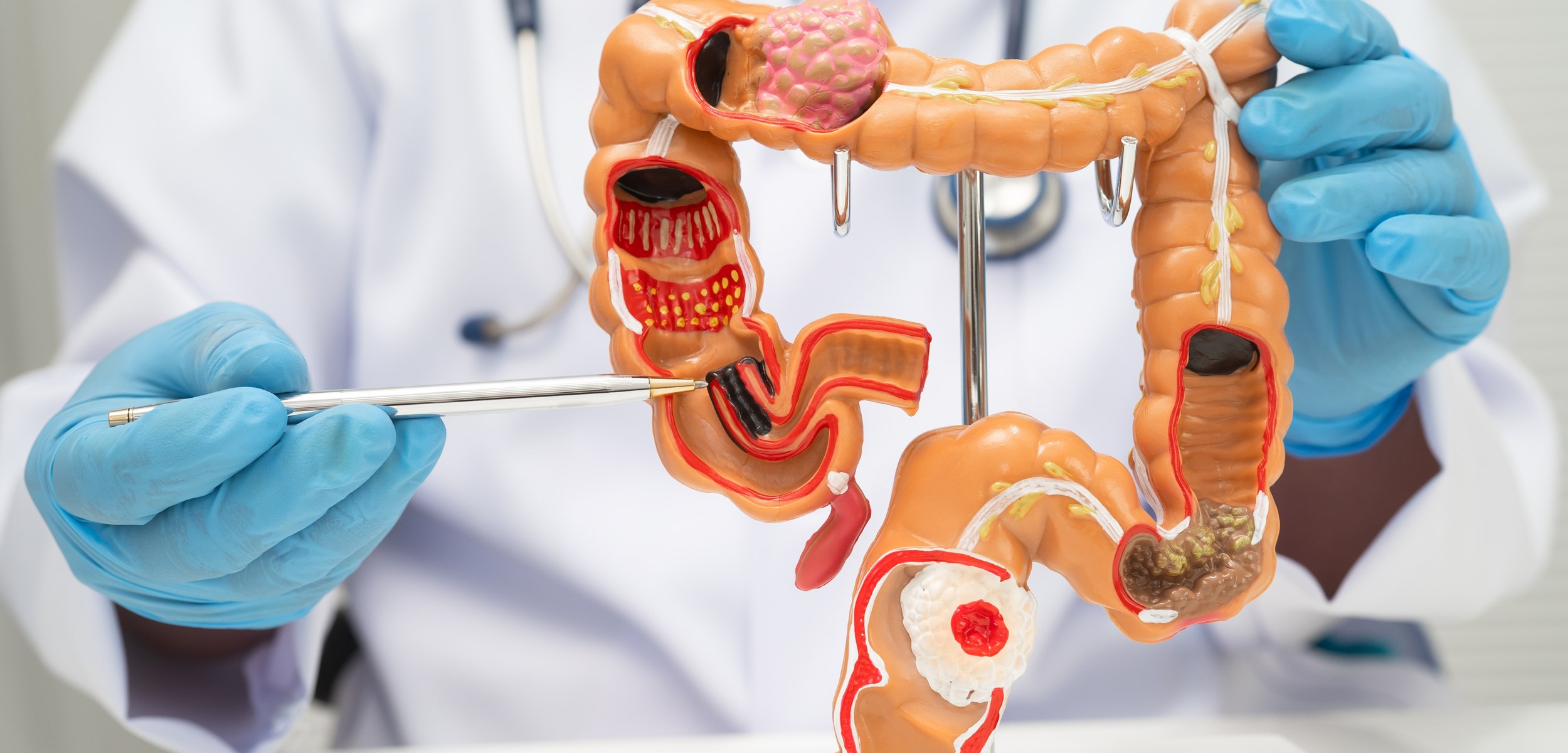
Colon Polyps: What They Are, the Main Types, and Why Removing Them Prevents Cancer
Being told you had colon polyps removed during a colonoscopy usually raises questions, starting with whether they were cancer and why the report uses words like “tubular adenoma.” Polyps are common, and most are not cancer. Finding and removing them is one of the main reasons colonoscopy works so well at preventing colorectal cancer.
What a colon polyp is
A polyp is a growth on the inner lining of the colon or rectum. Some are flat or slightly raised and sit directly on the lining (called sessile). Others hang from a thin stalk, a bit like a mushroom (called pedunculated). Many are only a few millimeters across, though some grow much larger.
Experts aren’t sure exactly what causes polyps, but they form when cells in the lining grow and divide more than they should. Most polyps stay harmless for life, but a few types can slowly change into cancer over many years. That is why doctors remove them when they find them.
Most polyps cause no symptoms
Most people with polyps feel completely normal, which is why screening matters. You can’t count on symptoms to warn you. When polyps do cause symptoms, they may include:
- Bleeding from the rectum, which you might notice on toilet paper or underwear
- Blood in the stool, which can look like red streaks or make stool look black
- Tiredness from anemia, when slow bleeding lowers your iron
Each of these can have other causes, and each deserves a visit to your doctor.
Who is more likely to have them
According to the National Institute of Diabetes and Digestive and Kidney Diseases (NIDDK), age and family history raise your chances of developing polyps. The American Cancer Society notes that smoking raises the risk of polyps too. Some factors raise the risk of colorectal cancer more broadly, and doctors take them into account when planning screening. These include a personal history of adenomas or colorectal cancer, long-standing inflammatory bowel disease (Crohn’s disease or ulcerative colitis), excess body weight, alcohol use and type 2 diabetes. Inherited conditions such as Lynch syndrome or familial adenomatous polyposis belong on that list as well, and they can cause many polyps at a young age.
The main types of colon polyps
After a polyp is removed, a pathologist looks at it under a microscope. The type matters because it guides when your next colonoscopy should be.
Adenomas are the polyps most closely tied to colon cancer and are considered precancerous. The American Cancer Society describes two main growth patterns, plus a mix of both. Tubular adenomas are the most common, especially among small polyps. Villous adenomas are more likely to contain cancer cells, as are larger adenomas. Tubulovillous adenomas are a mix of the two.
Serrated polyps are named for their saw-tooth look under the microscope. Sessile serrated lesions (you may see the older term “sessile serrated adenoma” or “sessile serrated polyp”) and traditional serrated adenomas are also precancerous and need to be removed completely. Sessile serrated lesions are often flat, so a clean, well-prepped colon helps the doctor spot them.
Hyperplastic polyps are common and, especially when small and in the lower colon, are generally not a cancer concern. Your report may also mention dysplasia, meaning how abnormal the cells look. High-grade dysplasia means the cells look closer to cancer, and your doctor may want to see you back sooner.
Why removing polyps prevents cancer
Most colorectal cancers start as a polyp, so removing a precancerous polyp takes away the chance for it to become cancer. The best long-term evidence comes from the National Polyp Study. In it, researchers followed more than 2,600 people who had adenomas removed for up to 23 years. Their death rate from colorectal cancer was 53% lower than expected in the general population, as reported in the New England Journal of Medicine in 2012.
How polyps are removed
Most polyps are removed during the colonoscopy itself, while you are sedated. The doctor passes small tools through the scope. Tiny polyps can be taken with forceps, or a wire snare can loop around the polyp and cut it off. Most people don’t feel the removal at all.
Large or hard-to-reach polyps may need a separate procedure or, rarely, surgery. Polyp removal carries a small risk of bleeding afterward, so follow the instructions you’re given at discharge.
How often you need another colonoscopy
The U.S. Multi-Society Task Force on Colorectal Cancer sets follow-up timing based on what was found. Here are a few examples from its 2020 update, showing how the findings change the timing of your next exam:
- One or two small tubular adenomas (under 10 millimeters): next colonoscopy in 7 to 10 years
- One or two small sessile serrated lesions (under 10 millimeters): 5 to 10 years
- Three or four small tubular adenomas: 3 to 5 years
- An adenoma 10 millimeters or larger, one with villous features or high-grade dysplasia, or 5 to 10 adenomas: 3 years
These intervals assume a complete exam with a good bowel prep and complete removal of the polyps. Your gastroenterologist will give you a date based on your own findings, family history and health, and it may differ from these examples.
Can you lower your risk?
No diet guarantees you won’t get polyps, though NIDDK notes that eating more fruits, vegetables and other high-fiber foods and keeping a healthy weight may help. Not smoking and limiting alcohol are reasonable steps for overall colon health, alongside screening on schedule.
When to see a gastroenterologist
Get emergency care right away if you have heavy rectal bleeding, black or tarry stools, dizziness or fainting, or severe belly pain. This applies after a recent polyp removal too: call your doctor or go to the emergency room for bleeding that doesn’t stop, fever or severe pain.
Make an appointment with a gastroenterologist if any of these apply to you:
- Are 45 or older and haven’t started colorectal cancer screening
- Have a parent, sibling or child who had colon cancer or advanced polyps
- Had a positive stool test
- Notice blood in your stool or a change in bowel habits that lasts more than a few days
- Are due for a follow-up colonoscopy after past polyps
Finding and removing polyps is a routine part of colonoscopy at GI Associates, and our gastroenterologists in Wausau, Stevens Point and Wisconsin Rapids can explain what your pathology report means. If you’re due for screening or a follow-up exam, request an appointment.
This article is for general education and is not a substitute for medical advice. Talk with your doctor about your results and your personal screening schedule.
Sources
- Gupta S, Lieberman D, Anderson JC, et al. Recommendations for Follow-Up After Colonoscopy and Polypectomy: A Consensus Update by the US Multi-Society Task Force on Colorectal Cancer. American Journal of Gastroenterology. 2020;115(3):415-434. https://doi.org/10.14309/ajg.0000000000000544
- Zauber AG, Winawer SJ, O’Brien MJ, et al. Colonoscopic Polypectomy and Long-Term Prevention of Colorectal-Cancer Deaths. New England Journal of Medicine. 2012;366(8):687-696. https://doi.org/10.1056/NEJMoa1100370
- National Institute of Diabetes and Digestive and Kidney Diseases (NIDDK). Colon Polyps. https://www.niddk.nih.gov/health-information/digestive-diseases/colon-polyps
- American Cancer Society. Understanding Your Pathology Report: Colon Polyps (Sessile or Traditional Serrated Adenomas). https://www.cancer.org/cancer/diagnosis-staging/tests/biopsy-and-cytology-tests/understanding-your-pathology-report/colon-pathology/colon-polyps-sessile-or-traditional-serrated-adenomas.html
- American Cancer Society. Colorectal Cancer Risk Factors. https://www.cancer.org/cancer/types/colon-rectal-cancer/causes-risks-prevention/risk-factors.html