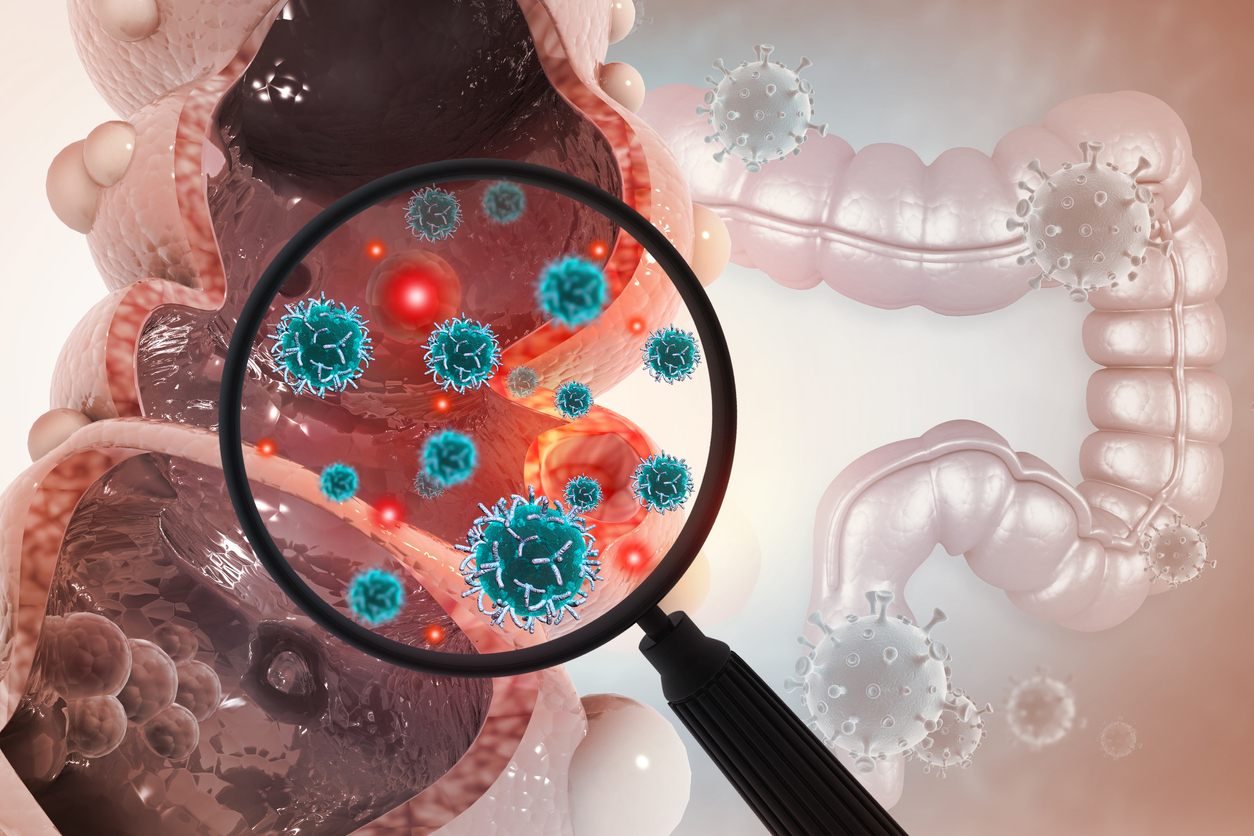
Colon Cancer, Why Are Colonoscopies Important?
Most people know that getting a colonoscopy is one of the best ways to detect colon cancer early on, but many don’t understand why this type of screening is so important. Colorectal cancer is the third most common type of cancer in the United States, and it’s also one of the deadliest.
That’s because it often doesn’t cause any symptoms until it’s progressed to a later stage. A colonoscopy can help find polyps or tumors in the large intestine before they turn into cancer. If these are found and removed, the risk of developing colon cancer is significantly reduced.
What is a colonoscopy, and why is it important
A colonoscopy is a medical procedure that uses a thin, flexible tube with a camera on one end to examine the inside of your large intestine. Colonoscopies are one of the most important screenings you can have, as they can detect polyps or cancer in the large intestine. If these conditions are caught early, they can often be treated successfully.
There are several reasons why it’s important to have a colonoscopy. First, colon cancer is one of the most common types of cancer in the United States. Second, it’s often easy to treat if caught early. Third, early detection can save your life.
If you’re over the age of 50 or have a family history of colon cancer, it’s important to talk to your doctor about having a colonoscopy. The good news is that most people report that the procedure is quick and relatively painless. So, there’s no reason to put off this important screening!
How to prepare for a colonoscopy
A colonoscopy is an important screening test that can help detect polyps or cancer in the large intestine. Here’s what you need to know about how to prepare for this procedure:
- Schedule your colonoscopy appointment as far in advance as possible, so you have plenty of time to prepare.
- Cleanse your bowel by following a liquid diet for one or two days before the procedure.
- Drink plenty of fluids leading up to the appointment.
- Arrive at the appointment well hydrated.
- Follow any other instructions from your doctor.
After the procedure
A colonoscopy is one of the most important screenings a person can have. This procedure is used to check for polyps or cancer in the large intestine, and it can save your life. Here’s what you need to know about this important test!
After the procedure, you will likely feel tired and a little sore. You may also have some cramping or bloating. It’s important to drink plenty of fluids and take it easy for the rest of the day. You may also need to avoid certain foods for a few days, like dairy or gas-producing vegetables.
Most people are able to return to their normal activities within a day or two. However, it’s important to follow your doctor’s instructions carefully. If you experience any problems after the procedure, be sure to call your doctor.
Colon cancer statistics and facts about this type of screening
Each year, more than 140,000 people are diagnosed with colon cancer in the United States. It’s the third most common type of cancer, and it’s also one of the deadliest.
That’s why it’s so important to get screened for colon cancer. A colonoscopy is the best way to check for polyps or cancer in the large intestine. If these problems are caught early, they can often be treated successfully.
There are several reasons to get a colonoscopy. Colon cancer is one of the most preventable types of cancer, and it can often be cured if it’s caught early. In addition, a colonoscopy is one of the most accurate ways to detect cancer.
If you’re due for a colonoscopy, don’t put it off. The procedure is safe, and it could save your life. Make an appointment with your doctor today!
After a colonoscopy, most people feel tired and sore for the next day or two. It is important to follow your doctor’s instructions carefully in order to avoid any problems after this procedure. Colon cancer is one of the deadliest types of cancer, and it can be prevented if caught early with a colonoscopy! If you are due for a screening, don’t put off getting one done-it could save your life!
Related Articles
“`html
Understanding the Risks and Benefits
Colonoscopies are a critical tool in the fight against colon cancer because they allow doctors to identify and remove polyps before they have the chance to become cancerous. By catching these potential problems early, a colonoscopy can significantly lower your risk of developing colon cancer. While the procedure itself is generally safe, it’s important to understand both the benefits and the potential risks. The benefits include early detection and prevention of cancer, while risks, though rare, can include bleeding or perforation of the colon. However, the potential for early detection and successful treatment of colon cancer often outweighs these risks, making a colonoscopy a valuable procedure for those at risk.
Moreover, colonoscopies can also help diagnose other gastrointestinal issues, such as inflammatory bowel disease or diverticulosis. By addressing these conditions early, you can improve your overall digestive health and quality of life. It’s essential to discuss your individual risks and benefits with your healthcare provider to make an informed decision about screening.
Overcoming Common Concerns
Many people feel anxious about the idea of undergoing a colonoscopy, but understanding the procedure can help alleviate these concerns. The preparation process, which involves cleansing the bowel, is often the most uncomfortable part for patients. However, advancements in preparation methods have made this step more manageable. During the procedure itself, you will likely be sedated, so you should not feel any discomfort. Most patients find that the anticipation is worse than the procedure itself.
It’s also important to remember that colonoscopies are performed by trained professionals who prioritize your comfort and safety. If you have concerns about the procedure, don’t hesitate to discuss them with your doctor. They can provide reassurance and information tailored to your specific situation. By focusing on the potential life-saving benefits of the procedure, you can approach your colonoscopy with confidence and peace of mind.
“`