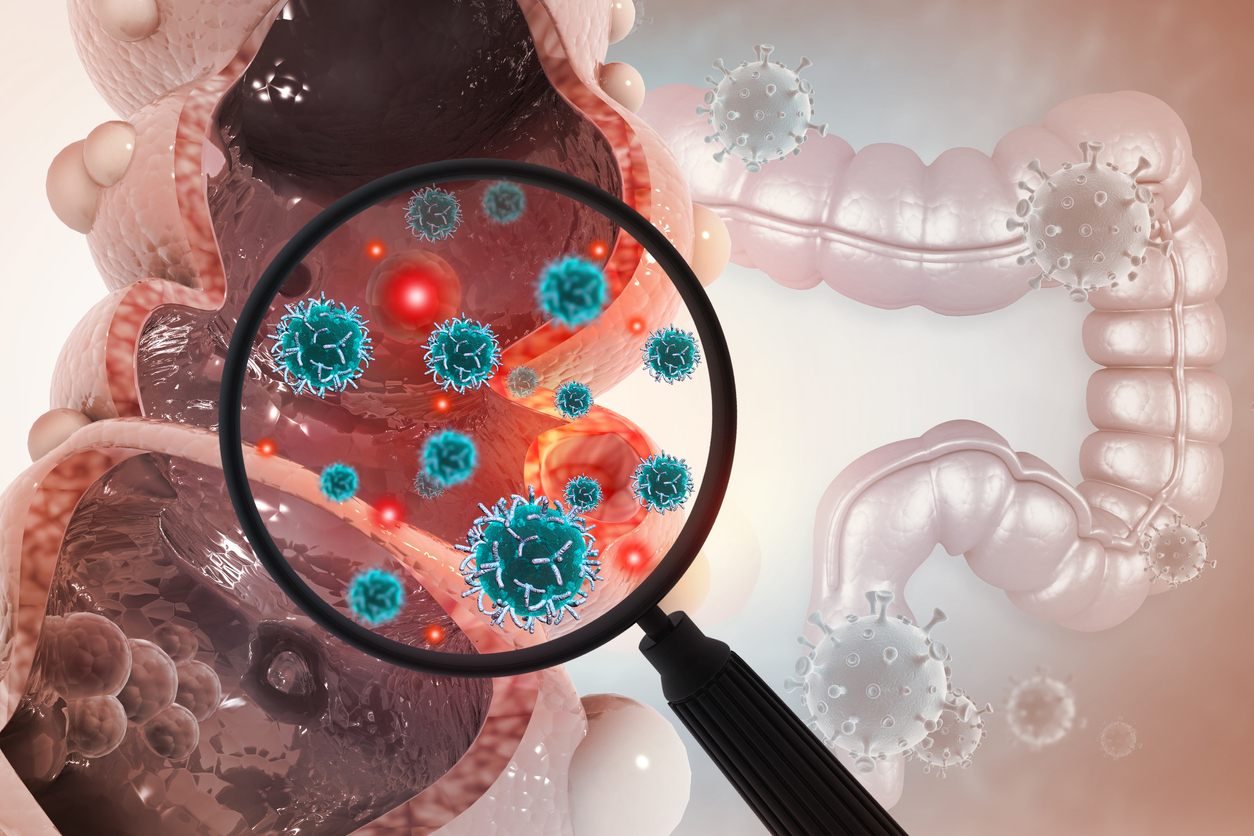
What are the Signs of Colon Cancer?
Colon cancer is the third most common type of cancer in the United States. It can strike people of any age, but it is most often found in those over 50. Men are twice as likely to develop colon cancer as women. African Americans are at greater risk for developing colon cancer than whites.
The good news is that when caught early, colon cancer can be cured almost 90% of the time. The key is to know what the symptoms are and to see a doctor if anything seems wrong. This article will outline the symptoms of colon cancer and how it is treated.
What is Colon Cancer?
Colon cancer, also known as Colorectal cancer or CRC, is a type of cancer that begins in the colon, the large intestine. The colon is part of the digestive system and helps absorb nutrients from food. Colorectal cancer can develop in any part of the colon, but it most often starts in the last section, which is called the rectum.
Symptoms of Colon Cancer
Colon cancer may not cause any symptoms at all in its early stages. When symptoms do occur, they may include:
– Rectal bleeding: Rectal bleeding is the most common symptom of colorectal cancer. It can be a sign that the cancer is growing or has already spread to other parts of the body. Blood in the stool may be bright red, black, or occult (not visible to the naked eye).
– Changes in bowel habits, including diarrhea, constipation, or a change in the consistency of their stool.
– Feeling of fullness after eating a small amount of food. This is because the cancer can grow to block the passage of food through the intestine. As the cancer grows, it can also cause weight loss.
– Pain or discomfort in the abdomen or rectum: The pain may be constant or come and go. It may be sharp or dull, and it may vary depending on what part of the colon is affected.
– Weight loss: This may be because the cancer can grow to block the passage of food through the intestine. As the cancer grows, it can also cause a person to lose weight.
– Weakness or fatigue
– Nausea or vomiting
Screening For Colon Cancer
A Colonoscopy is a procedure in which a doctor uses a long, thin tube to look at the inside of the colon. Colonoscopies are used to screen for colorectal cancer, and they can also be used to diagnose it. The best time to have a Colonoscopy is when you have no symptoms of CRC.
The Colonoscopy is usually done as an outpatient procedure. You will be given medication to help you relax, and then the doctor will insert the Colonoscope into your rectum. They will then slowly guide it through the entire length of the colon.
The Colonoscope has a light and a camera on it, so the doctor can see everything that is going on. If any polyps or tumors are found, the doctor can remove them right then and there.
Treatments for Colon Cancer
The doctor will determine the best treatment plan if Colon Cancer is found. Treatment options include surgery, chemotherapy, or radiation therapy. The type of treatment depends on the cancer stage and how far it has spread. Some people may also need to have their colon removed utterly.
Conclusion
CRC is the third most common type of cancer in the United States, and it can strike people of any age. Colorectal cancer begins when cells on your colon’s lining or inner wall change without warning to form a tumor. Colon cancer may not cause any symptoms in its early stages and only becomes more evident as it grows larger and spreads throughout your body. Colonoscopies are used for screening for CRC but should be done with no symptoms present because that’s where they’re best able to diagnose Colorectal Cancer.
“`html
Risk Factors for Colon Cancer
Understanding the risk factors for colon cancer can help in taking preventive measures. Besides age, other factors such as a family history of colorectal cancer or polyps can increase your risk. Genetic syndromes like Lynch syndrome and familial adenomatous polyposis are also significant risk factors. Lifestyle choices play a crucial role; a diet high in red or processed meats, a sedentary lifestyle, obesity, smoking, and heavy alcohol use can all contribute to a higher risk. It’s important to discuss your personal risk factors with your healthcare provider to determine the best screening plan for you.
Additionally, certain medical conditions like inflammatory bowel disease, which includes Crohn’s disease and ulcerative colitis, may increase the risk of developing colon cancer. Managing these conditions effectively with the help of your healthcare provider can be a critical step in reducing your overall risk.
Prevention and Early Detection
Prevention and early detection are key in reducing the incidence and improving the prognosis of colon cancer. Regular screenings, such as colonoscopies, are highly recommended for individuals over the age of 45, or earlier for those with increased risk factors. These screenings can detect precancerous polyps, which can be removed before they develop into cancer. Other screening methods include stool tests that check for blood or abnormal DNA, which can also help in early detection.
Adopting a healthy lifestyle is an important preventive measure. Incorporating a diet rich in fruits, vegetables, and whole grains, alongside regular physical activity, can lower your risk. Limiting alcohol consumption, avoiding tobacco, and maintaining a healthy weight are also beneficial strategies. While no prevention method is foolproof, these healthy habits can significantly contribute to reducing your risk of developing colon cancer.
“`