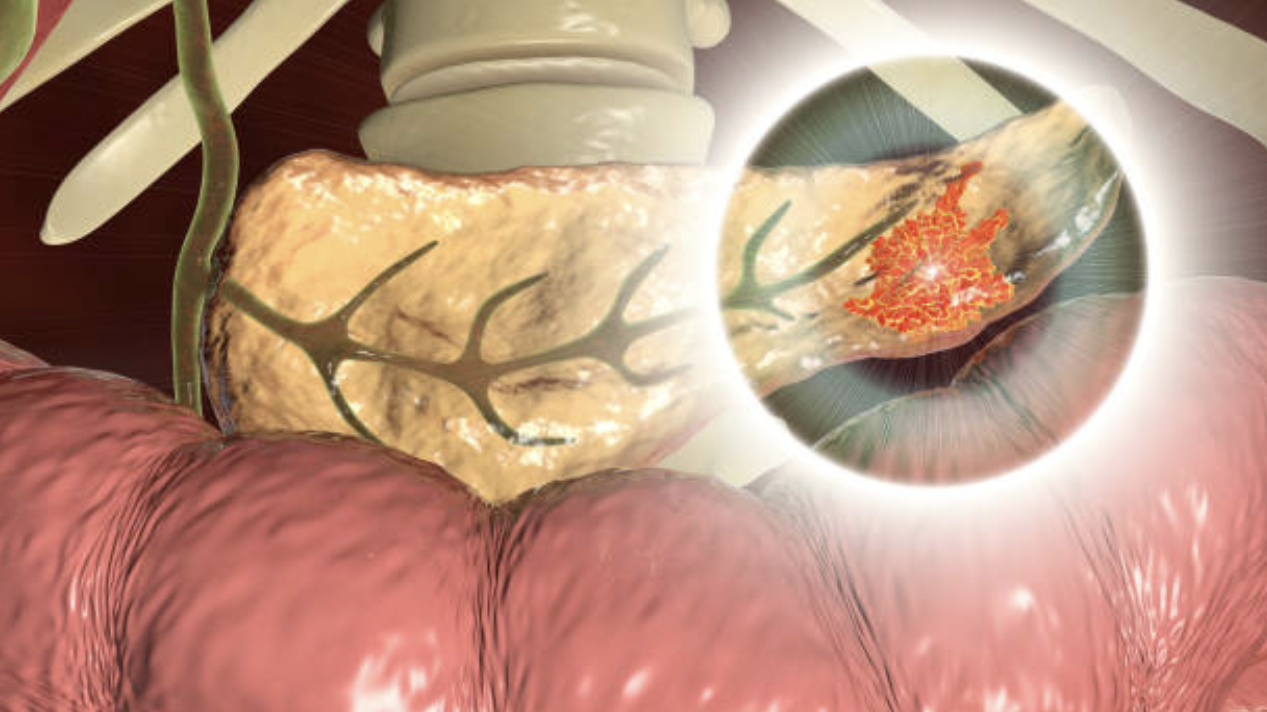
Chronic Pancreatitis: Causes, Symptoms, and Treatment Options
Pancreatitis is a serious medical condition that requires prompt diagnosis and treatment. Suppose you are one of the estimated three million Americans who suffer from chronic pancreatitis. In that case, you know how painful and debilitating this condition can be. This blog post will discuss the causes, symptoms, and treatment options for chronic pancreatitis. We hope this information will help you manage your condition and improve your quality of life.
What is Chronic Pancreatitis
Chronic pancreatitis is a condition in which the pancreas becomes inflamed. This inflammation can cause the pancreas to stop working properly. Chronic pancreatitis is a serious condition that can lead to life-threatening problems. Early diagnosis and treatment are essential to preventing serious complications. The exact cause of chronic pancreatitis is unknown. However, it is thought to be caused by a combination of genetic and environmental factors. Chronic pancreatitis can occur at any age, but it is most common in middle-aged adults.
What are the Causes?
Causes are unclear but may be related to genetic and environmental factors. Industrial and agricultural chemicals, such as pesticides, have been implicated but not proven causal. Some evidence suggests a link between Causes and family history or certain medical conditions, such as diabetes. Causes are more common in men than women and affect people of all ages, but are most often diagnosed in middle-aged adults. People who live in certain geographical regions, such as the northeastern United States, are also more likely to develop Causes. Causes can lead to serious health complications, including death, if left untreated. Early diagnosis and treatment are essential for the best possible outcome. If you think you may be experiencing symptoms of Causes, please consult your doctor immediately.
What are the Symptoms of Chronic Pancreatitis, and How is it Diagnosed?
Symptoms of chronic pancreatitis can vary depending on the individual and the severity of the condition. However, the most common symptom is abdominal pain. This pain is usually felt in the upper abdomen and can radiate to the back or chest. Other symptoms may include indigestion, fatigue, weight loss, and jaundice. If you experience any of these symptoms, you must see a doctor for a diagnosis. Diagnosing chronic pancreatitis typically involves a physical examination and blood and imaging tests. The specific tests used will depend on the individual case.
Treatment for chronic pancreatitis typically focuses on managing pain and improving nutrition. If you have been diagnosed with chronic pancreatitis, working with a healthcare team can help you manage your symptoms and improve your quality of life. In some cases, a pancreatic biopsy may also be necessary to confirm the diagnosis.
What are the Treatment Options for Chronic Pancreatitis
Treatment for chronic pancreatitis typically involves a combination of medical and surgical therapies. The treatment goals are to relieve pain, improve nutritional status, and prevent further disease progression. Treatment typically begins with aggressive pain management. This may include the use of painkillers, such as opioids or narcotics. In some cases, transplants or nerve blocks may be necessary.
Other medications that may be used to treat chronic pancreatitis include enzymes to improve digestion and anticholinergics to reduce pancreatic secretions. Surgery is usually only considered when all other treatment options have failed. Surgical options include removing part of the pancreas or the entire organ. A total pancreatectomy (removal of the pancreas) may be necessary in severe cases. Treatment for chronic pancreatitis requires lifelong management and close monitoring by a medical team.
How How to Prevent Chronic Pancreatitis
Prevention is the key to avoiding chronic pancreatitis. There are many things you can do to reduce your risk, such as:
- Avoiding Alcohol. If you drink alcohol, do so in moderation.
- Not Smoking. Smoking is a major risk factor for chronic pancreatitis. If you smoke, quitting is the best way to reduce your risk.
- Eating a Healthy Diet. A diet high in fiber and fat can help reduce your risk of chronic pancreatitis.
- Getting Timely Treatment for Acute Pancreatitis. If you have acute pancreatitis, it’s important to get prompt treatment from a medical professional to avoid complications.
Suppose you have any risk factors for chronic pancreatitis. In that case, it’s important to talk to your doctor about ways to prevent the condition. Prevention is always the best option when it comes to chronic pancreatitis.
Conclusion
Celiac Disease is a serious autoimmune disorder that can damage the small intestine. An intolerance causes it to be gluten, which is found in wheat, barley, and rye products. Symptoms vary from person to person but can include diarrhea, constipation, abdominal pain, bloating, and vomiting. Left untreated, it can lead to other health problems such as malnutrition, osteoporosis, and cancer. There is no cure for celiac disease, but treatments available can help control symptoms. If you think you may have celiac disease or your child has been diagnosed with it, reach out to GIA Wausau for more information about treatment options and how to live a healthy life with the condition.
Related Articles
“`html
Living with Chronic Pancreatitis: Lifestyle and Dietary Considerations
Managing chronic pancreatitis often requires significant lifestyle and dietary changes. Adopting a low-fat diet is crucial, as high-fat foods can exacerbate symptoms and increase the risk of complications. Patients are encouraged to consume smaller, more frequent meals to reduce the burden on the pancreas. Staying hydrated and avoiding alcohol and tobacco are also essential, as these substances can worsen inflammation and damage the pancreas further. Working with a registered dietitian can provide personalized guidance and help develop a meal plan tailored to individual needs and preferences.
Regular physical activity, tailored to the individual’s capabilities and comfort, can also be beneficial. Exercise can help improve overall health, reduce stress, and support a healthy weight. However, it’s important to consult with a healthcare provider before starting any new exercise regimen, especially if experiencing significant pain or fatigue. Stress management techniques, such as mindfulness, meditation, or yoga, can also be helpful in managing the psychological impact of chronic pancreatitis.
Support and Resources for Chronic Pancreatitis Patients
Living with chronic pancreatitis can be challenging, both physically and emotionally. It’s important for patients to seek support from healthcare professionals, family, and friends. Connecting with support groups, either in person or online, can provide a sense of community and shared understanding. These groups can offer valuable insights, practical advice, and emotional support from others who are experiencing similar challenges.
Educational resources, such as brochures, websites, and workshops, can help patients and their families better understand the condition and its management. Many hospitals and clinics offer educational sessions or have patient navigators who can assist with accessing resources and coordinating care. Staying informed about the latest research and treatment options can empower patients to make informed decisions about their health and engage actively in their care. Regular follow-ups with healthcare providers are crucial to monitor the condition and adjust treatment plans as needed, ensuring the best possible outcomes.
“`