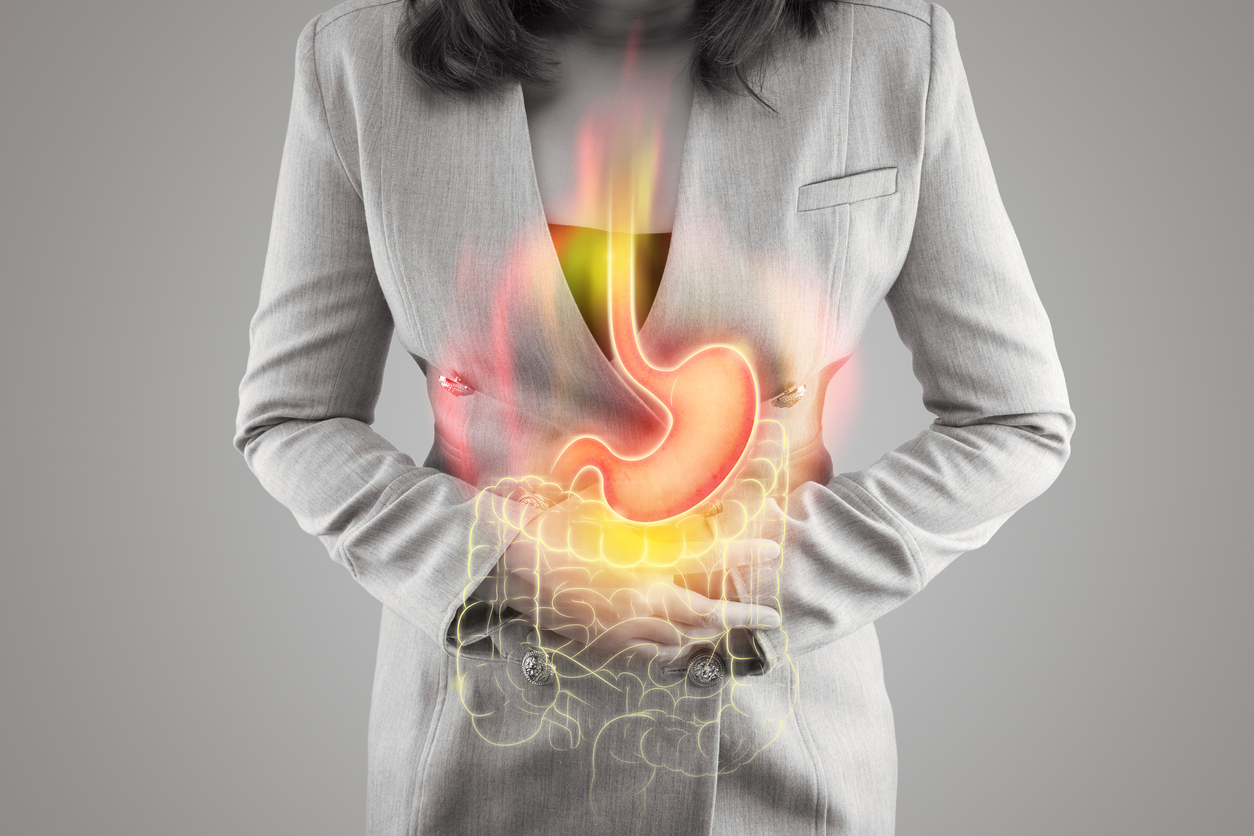
Acid Reflux: 10 Proven Ways to Ease Heartburn Fast
Acid reflux is one of the most common digestive complaints, and for many, it’s more than an occasional nuisance. The burning sensation, sour taste, and nighttime discomfort can affect sleep, work, and overall quality of life. Fortunately, with the right plan, most people can find lasting heartburn relief and protect their esophagus from long-term damage.
At GI Associates, we help patients understand their triggers, refine their diets, and choose treatments tailored to their lifestyle—so they can focus on living, not discomfort.
What acid reflux really is
Acid reflux happens when stomach acid flows back into the esophagus. This backward movement, called gastroesophageal reflux (GERD), irritates the esophageal lining and causes the classic symptoms of burning and pressure.
Short-term reflux after a heavy meal is normal, but chronic symptoms more than twice a week signal GERD—a condition that may need medication or endoscopic evaluation.
According to the National Institute of Diabetes and Digestive and Kidney Diseases (NIDDK), more than 20% of adults in the U.S. live with GERD symptoms.
Common acid reflux symptoms
- Heartburn after eating or lying down
- A sour taste in the mouth or regurgitation
- Difficulty swallowing or a sensation of food sticking
- Chest discomfort that worsens when bending over
- Nighttime cough or hoarseness
If you experience these symptoms frequently, your GI Associates provider can evaluate whether you have GERD or another condition such as gastritis, peptic ulcer disease, or hiatal hernia.
1) Adjust how and when you eat
The timing and size of your meals can make a major difference. Eat smaller meals throughout the day instead of three large ones, and avoid eating within three hours of bedtime. Sitting upright after meals helps gravity keep stomach acid where it belongs.
2) Identify trigger foods
Certain foods relax the lower esophageal sphincter (LES)—the valve that keeps acid in your stomach. Common culprits include:
- Fried or fatty foods
- Tomatoes and citrus fruits
- Chocolate
- Peppermint
- Caffeine and alcohol
Keeping a food diary helps you recognize patterns. Once you identify triggers, reducing or avoiding them can significantly ease heartburn.
3) Maintain a healthy weight
Excess abdominal pressure increases reflux. Even modest weight loss can reduce symptoms for many patients. A balanced diet rich in lean proteins, vegetables, and whole grains supports both weight management and digestive health.
GI Associates dietitians can help you build a customized eating plan that reduces reflux while maintaining nutrition.
4) Quit smoking and limit alcohol
Nicotine weakens the LES, and alcohol irritates the esophagus. Reducing both lowers your risk of frequent reflux and long-term complications.
If you need help quitting, your primary care provider or a smoking cessation program can offer effective strategies and support.
5) Try elevating your head at night
If reflux worsens during sleep, raise the head of your bed by 6–8 inches using risers or a wedge pillow. Lying flat allows stomach acid to flow upward more easily.
Avoid stacking regular pillows, which can bend your neck and make symptoms worse.
6) Consider over-the-counter relief
Antacids, H2 blockers, and proton pump inhibitors (PPIs) can help neutralize or reduce acid production. Antacids provide quick relief, while PPIs and H2 blockers prevent symptoms before they start.
However, long-term use should be monitored by your doctor. Overusing PPIs can affect nutrient absorption and gut balance. GI Associates providers will help you determine the safest medication plan for your situation.
7) Know when reflux signals something more
Chronic reflux can damage the esophagus over time, leading to inflammation (esophagitis) or Barrett’s esophagus, a precancerous condition.
Seek medical attention if you experience:
- Persistent pain or difficulty swallowing
- Vomiting blood or black material
- Unintentional weight loss
- Shortness of breath or chest pain not linked to meals
If needed, your provider may perform an endoscopy to inspect and, if necessary, biopsy the esophagus for healing progress.
8) Improve posture and reduce pressure
Tight belts and clothing increase abdominal pressure. Sitting up straight during and after meals supports better digestion. If you have a sedentary job, stand and stretch regularly to prevent slouching that compresses the stomach.
9) Manage stress for better digestion
Stress doesn’t cause reflux directly, but it heightens perception of pain and slows digestion. Techniques like deep breathing, yoga, and short walks after meals can ease discomfort naturally.
Even a few minutes of mindful breathing before eating can help your body digest food more efficiently.
10) Schedule a reflux evaluation
If you’ve tried lifestyle changes and symptoms persist, it’s time for a professional evaluation. GI Associates offers complete diagnostic options including upper endoscopy, pH testing, and esophageal motility studies to determine the exact cause of your symptoms.
From mild reflux to chronic GERD, early management prevents complications and helps you feel your best.
When to call your doctor
Contact your provider immediately if:
- You have chest pain not related to meals
- You experience difficulty swallowing or food sticking
- You have black, tarry stools
- You lose weight without trying
These may indicate bleeding or severe inflammation requiring prompt attention.
Expert GERD treatment options
GI Associates customizes each GERD treatment plan based on the cause and severity of your reflux. Options include:
- Lifestyle modification: meal timing, posture, and trigger identification
- Medications: short- or long-term acid suppression
- Endoscopic therapies: minimally invasive procedures to strengthen the LES
- Surgery (fundoplication): for severe or medication-resistant reflux
Your provider will explain each option and help you choose the safest, most effective plan.
Protecting your esophagus for the future
Acid reflux is highly treatable—but only if you act early. Preventing repeated acid exposure protects your esophagus, improves sleep, and enhances your overall quality of life.
The specialists at GI Associates combine advanced diagnostics with practical care strategies to help you achieve lasting relief.
Call to action
Ready to feel better? Schedule your reflux consultation through GI Associates’ appointments page or visit our locations to find a clinic near you.
Take charge of your digestion today—lasting heartburn relief starts with one visit.
Educational only; not medical advice.