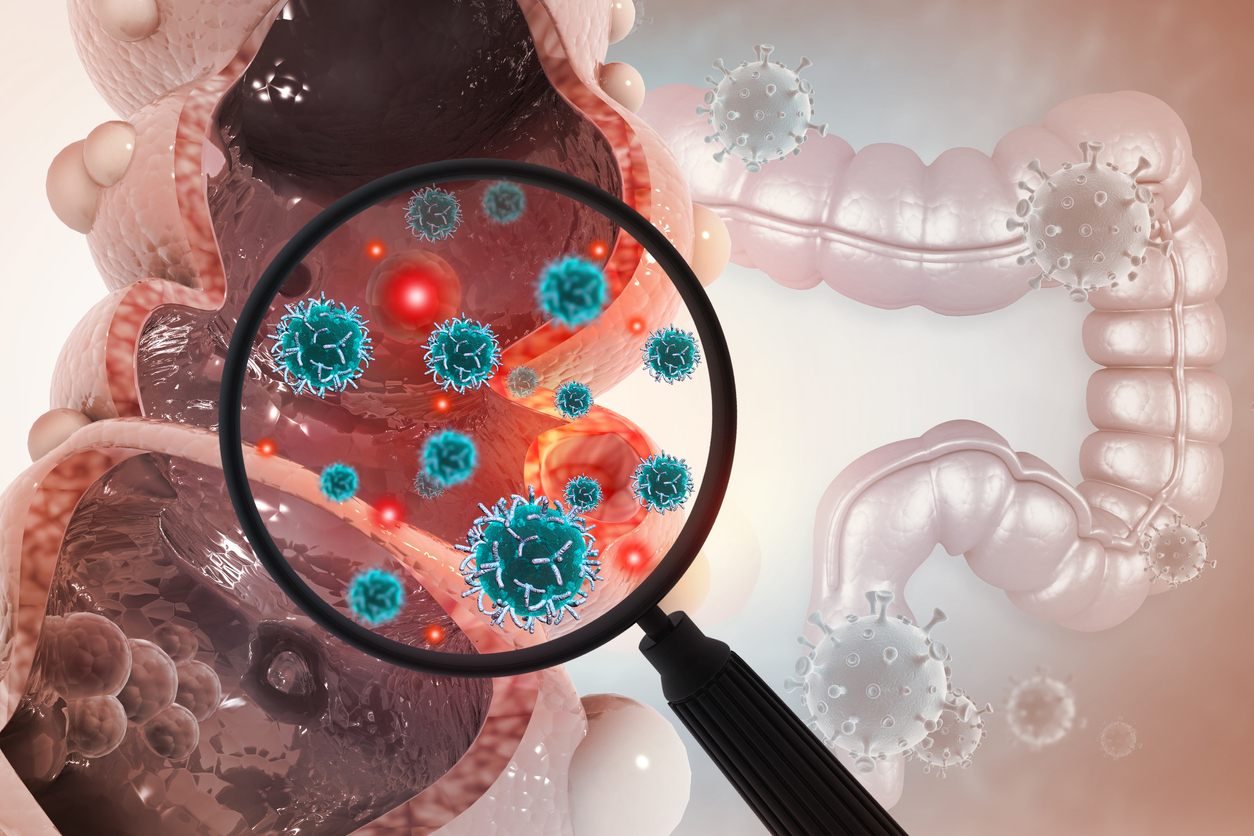
Colon Cancer, Can It Be A Threat To Women?
Though colon cancer is often thought of as a man’s disease, it can also be a threat to women. In fact, colon cancer is the third most common cancer in women. While men are more likely to get colon cancer than women, the gap between the sexes is narrowing. This may be due to changes in diet and lifestyle among women.
What is colon cancer?
Colon cancer is a disease in which malignant (cancer) cells form in the tissues of the colon. The colon is the lower part of the intestine. Colon cancer can also be called colorectal cancer.
The cause of colon cancer is not known. However, colon cancer may develop from polyps (abnormal growths) in the colon. Polyps are not cancer, but some polyps may turn into cancer over time.
What are the symptoms of colon cancer?
Colon cancer may not cause any symptoms in its early stages. When colon cancer does cause symptoms, they may include:
– blood in the stool (poop)
– changes in bowel habits, such as diarrhea, constipation, or narrowing of the stool
– abdominal (belly) pain
– weakness or fatigue
– weight loss
– less common symptoms, such as swelling of the colon, bone pain, and narrowing of the opening at the rectum (anus)
What causes colon cancer?
The cause of colon cancer is not known. However, colon cancer may develop from polyps (abnormal growths) in the colon. Polyps are not cancer, but some polyps may turn into cancer over time
Many factors can increase a person’s risk for colon cancer, including diet, lifestyle, and family history. However, the most common cause of colon cancer is polyps in the colon. Polyps are growths on the lining of the colon that can become cancerous over time. Colorectal cancer is the third most common type of cancer in women, after breast and lung cancer. However, it is also one of the most preventable types of cancer. There are several steps women can take to reduce their risk of colon cancer, including getting screened regularly, eating a healthy diet, and exercising regularly. Men and women are both at risk for colon cancer, and both sexes need to be aware of the risks and symptoms of this disease.
Can women get colon cancer?
Yes, women can get colon cancer. In fact, colon cancer is the third most common type of cancer in women. However, it is important to note that colon cancer is much more common in men than in women. This is likely because women are typically more proactive about getting screened for colon cancer.
How likely is a woman to get colon cancer?
While colon cancer can affect women, it is much more common in men. In fact, men are twice as likely as women to get colon cancer. This may be because women are more proactive about getting screened for colon cancer. However, it is important to note that any person can get colon cancer, regardless of their gender.
How is colon cancer diagnosed?
Your doctor will do a physical exam and ask about your symptoms. You may also have tests, such as:
– a colonoscopy. This test uses a long, thin tube with a camera on end to look at the inside of the colon.
– a CT scan or MRI. These tests create detailed images of the inside of the body.
– a barium enema. This test uses X-rays and a special dye to look at the colon.
– a blood test. A blood test may be done to check for cancer markers, such as CEA (carcinoembryonic antigen) or CA 19-9.
What should you do if you are diagnosed with colon cancer?
If you are diagnosed with colon cancer, it is important to seek treatment right away. Treatment options may include surgery, radiation therapy, or chemotherapy. You may also need to have your colon removed (referred to as a colectomy). It is important to discuss all of your treatment options with your doctor so that you can make the best decision for yourself.
Women who are diagnosed with colon cancer should also take steps to improve their overall health. This may include eating a healthy diet, getting regular exercise, and quitting smoking. It is also important to get regular screenings for colon cancer so that any potential problems can be detected and treated early.
Colon cancer is a very serious disease that can affect both men and women. While the causes of colon cancer are not yet fully understood, some risk factors are known. In order to reduce your chances of developing colon cancer, it is important to be aware of these risk factors and take steps to protect yourself. Early diagnosis is key in treating colon cancer, so if you experience any symptoms, please see your doctor right away.
“`html
What Can Women Do to Reduce Their Risk of Colon Cancer?
Women can take several proactive steps to reduce their risk of developing colon cancer. One of the most effective measures is regular screening. Screening can help detect polyps before they turn into cancer and find colon cancer early when treatment is most likely to be successful. Women should talk to their healthcare provider about when to begin screening and which tests are most appropriate for them. Generally, regular screening is recommended starting at age 45, but individuals with a family history of colon cancer or other risk factors may need to start earlier.
In addition to screening, adopting a healthy lifestyle can significantly lower the risk of colon cancer. A diet rich in fruits, vegetables, and whole grains while low in red and processed meats can be beneficial. Regular physical activity is also important, as it helps maintain a healthy weight and reduces inflammation. Avoiding smoking and limiting alcohol consumption are additional lifestyle changes that can reduce cancer risk. Women should discuss any concerns about their diet or lifestyle with a healthcare provider to make personalized choices that support their overall health.
Living with and Beyond Colon Cancer
For women diagnosed with colon cancer, it is important to remember that many people live full, active lives during and after treatment. Treatment plans are tailored to each individual’s needs and may include surgery, chemotherapy, radiation, or targeted therapies. A multidisciplinary team of healthcare professionals, including oncologists, surgeons, and nurses, will work with patients to provide comprehensive care and support throughout the treatment journey.
Emotional and psychological support is also crucial for women dealing with a colon cancer diagnosis. Support groups, counseling, and talking with friends and family can provide comfort and help manage the stress and anxiety that may accompany a cancer diagnosis. Survivorship care plans are often developed to help patients transition from active treatment to post-treatment life, focusing on monitoring for recurrence, managing any long-term side effects, and promoting overall well-being. Women are encouraged to maintain open communication with their healthcare team and seek support as needed to navigate the challenges of living with and beyond colon cancer.
“`