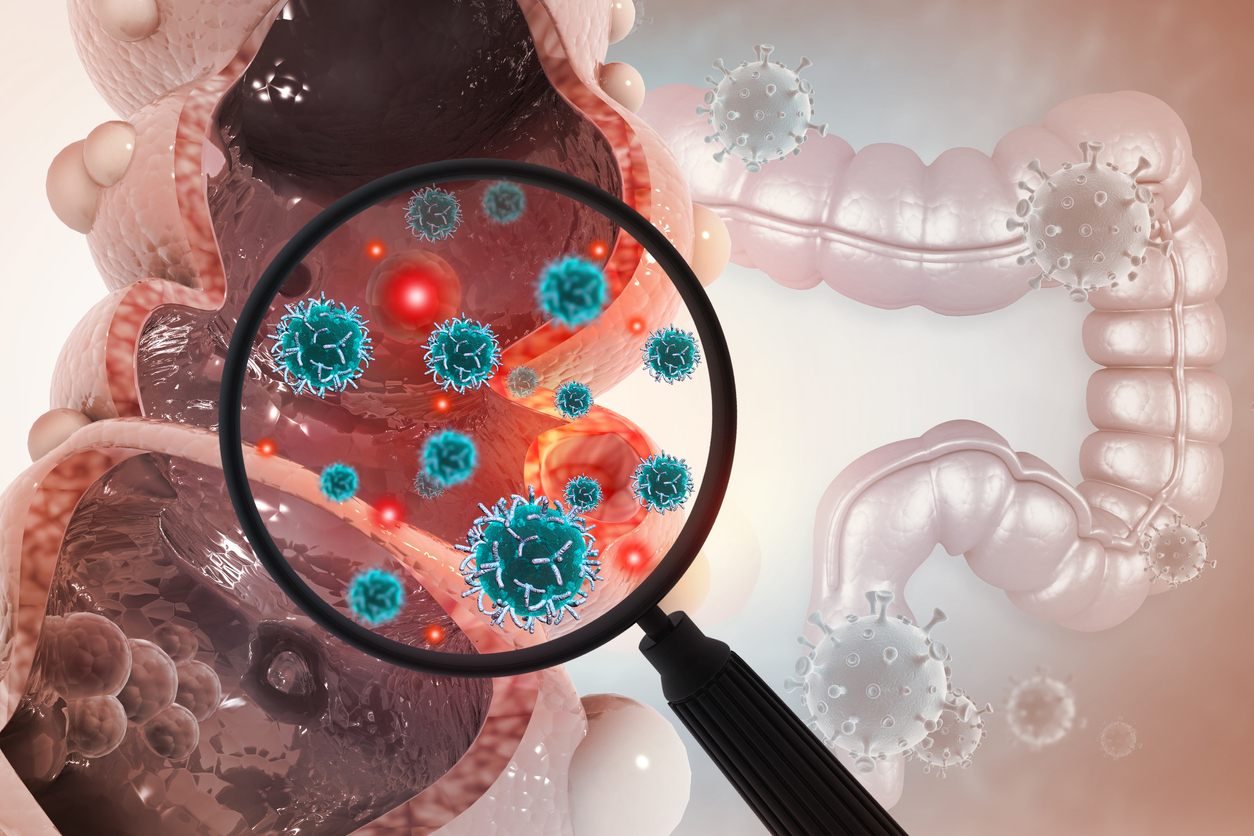
Colon Cancer, How Is It Treated?
Colon cancer is the third most common type of cancer in the United States. Each year, more than 150,000 people are diagnosed with colon cancer, and over 50,000 die from the disease. Colon cancer usually develops slowly over many years. Early detection and treatment can save lives.
This article will discuss Colon Cancer, its treatments, and Colonoscopies.
What is Colon Cancer?
Colon cancer is a type of cancer that begins in the Colon (large intestine). The Colon is part of the digestive system. It is the last part of the digestive tract. The Colon absorbs water and nutrients from food. It also stores stool (feces) until it is ready to be eliminated from the body.
Colon Cancer Symptoms
Colon cancer often does not cause any symptoms in the early stages. When symptoms do occur, they may include:
– Changes in bowel habits, such as diarrhea, constipation, or feeling that the bowel does not empty completely
– Rectal bleeding
– Blood in the stool
– Cramping or abdominal pain
– Weakness or fatigue
– Unexplained weight loss
Treatments for Colon Cancer
There are many different treatments for colon cancer. The type of treatment depends on the stage of cancer and other factors. Treatments may include:
– Surgery to remove the tumor
– Chemotherapy to kill cancer cells
– Radiation therapy to kill cancer cells
– Targeted therapy to block the action of proteins that help cancer cells grow
– Biological therapy to boost the body’s natural defenses against cancer
– Stent placement to hold the colon open
– Nutrition and lifestyle counseling
What Is A Colonoscopy?
A Colonoscopy is a test that is used to look at the inside of the Colon and Rectum. A Colonoscopy is often used to screen for Colon Cancer. A thin, flexible tube called a Colonoscope is inserted into the rectum during a Colonoscopy. The Colonoscope is then passed through the entire length of the Colon. Pictures are taken of the Colon and the Colonoscope is removed.
How to Prepare for Colonoscopy
To prepare for a Colonoscopy, you will need to follow a special diet for a few days before the procedure. You will also need to drink lots of fluids and take laxatives to clean out your Colon. On the day of the Colonoscopy, you will need to avoid eating and drinking anything for several hours before the procedure.
What Happens During A Colonoscopy
Before a Colonoscopy, you will need to remove all of your clothes and put on a hospital gown. You may also need to remove your jewelry, including watches and earrings. You will be given a cloth to put over your head during the Colonoscopy.
During a Colonoscopy, you will be asked to lie on your left side. You may feel some pressure and discomfort. The Colonoscope will be inserted into your rectum. The Colonoscope will be passed through the entire length of the Colon. Pictures will be taken of the Colon and the Colonoscope will be removed.
After a Colonoscopy, you may have some cramping and abdominal pain. You may also have some bleeding from your rectum. You should contact your doctor if you have any of these symptoms.
Conclusion
Colon cancer is the second most common type of cancer in America, and it’s also one of the deadliest. Colonoscopies are a great way to detect colon cancer early because they can identify any polyps or growths that may be present before they become malignant. However, not everyone has access to these screenings as some people have difficulty getting insurance coverage due to their age or other factors. Colonoscopy screenings will help save lives by detecting cancers earlier when they’re easier to treat successfully.
“`html
Importance of Early Detection
Early detection of colon cancer significantly increases the chances of successful treatment and survival. Colon cancer often starts as small, benign polyps that can be easily removed if found early. Regular screening, such as colonoscopies, can help identify these polyps before they develop into cancer. It is generally recommended that individuals begin regular screenings at age 45, or earlier if they have a family history of colon cancer or other risk factors. Discussing your individual risk factors with your healthcare provider can help determine the best screening schedule for you.
Besides colonoscopies, other screening methods include stool tests that look for signs of cancer or precancerous conditions. These tests can serve as a less invasive option for some individuals, though they may need to be followed by a colonoscopy if results indicate potential problems. Staying informed and proactive about your health can make a significant difference in outcomes.
Living with Colon Cancer
Receiving a diagnosis of colon cancer can be overwhelming, but many resources are available to help manage the journey ahead. A multidisciplinary team of healthcare professionals, including oncologists, surgeons, and nutritionists, will work together to create a personalized treatment plan tailored to your needs. It’s important to maintain open communication with your healthcare team, ask questions, and express any concerns you may have throughout your treatment.
Support from family, friends, and support groups can also be invaluable. Many patients find comfort in connecting with others who are going through similar experiences. Additionally, maintaining a healthy lifestyle, including a balanced diet, regular physical activity, and stress management, can support your overall well-being and complement your treatment. Remember, you are not alone, and there are many people and resources ready to support you through this process.
“`