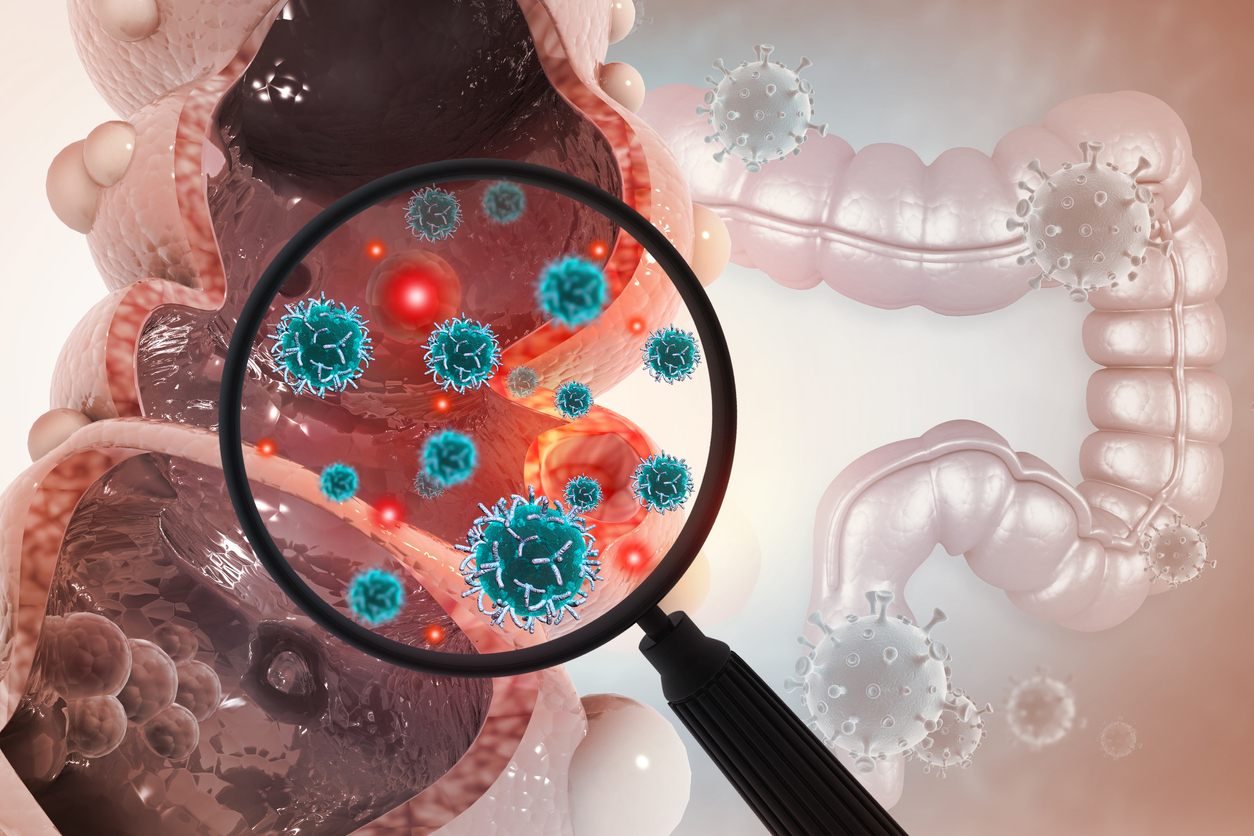
Colon Cancer, What Are The Different Stages?
Colon cancer is one of the most prevalent forms of cancer in the United States. It can be diagnosed at different stages, each with a different prognosis. In this article, we will discuss cancer and its stages. What is colon cancer, and what are the symptoms.
How is colon cancer diagnosed, and what are the stages of colon cancer
Cancer is typically diagnosed after a colonoscopy. During this procedure, a doctor will insert a tube with a camera into your rectum in order to examine the colon for tumors. If a tumor is found, the doctor will then biopsy the tissue to determine if it is cancerous. It can also be diagnosed through other means, such as a CT scan or MRI if it has spread beyond the colon.
There are four stages of colon cancer: stage 0, I, II, and III. Stage 0 cancer is the earliest form of the disease and occurs when the tumor is still confined to the inner layer of the colon. Stage I cancer occurs when the tumor has spread to nearby lymph nodes but has not yet spread to other parts of the body.
Stage II cancer occurs when the tumor has spread beyond the lymph nodes to other parts of the body. Stage III cancer occurs when the tumor has spread to distant organs or sites.
Stage IV cancer is the most advanced form of the disease. At this stage, the tumor has spread to distant organs or sites and can be difficult to treat. The prognosis for those with stage IV cancer is typically poor, with a five-year survival rate of around 13 percent. Treatment options for those with stage IV cancer include chemotherapy, radiation therapy, and surgery.
What is the prognosis for each stage of colon cancer?
The prognosis for colon cancer varies depending on the stage of the disease. Stage 0 cancer has a five-year survival rate of around 100 percent, while those with III cancer have a five-year survival rate of around 54 percent. The prognosis for those with IV cancer is typically poor, with a five-year survival rate of around 13 percent. Treatment options for those with stage IV colon cancer include chemotherapy, radiation therapy, and surgery.
It is important to know the stage of your cancer before you undergo treatment. The prognosis and treatment options vary substantially depending on the stage of the disease. If you have been diagnosed with colon cancer, be sure to speak to your doctor about the best course of treatment for you.
Treatment options for colon cancer
Colon cancer can be treated with a variety of different methods, depending on the stage of the disease. Treatment options for those with colon cancer include chemotherapy, radiation therapy, and surgery.
Chemotherapy is the use of drugs to kill cancer cells. This type of treatment is typically used for those with stage III or IV colon cancer. Radiation therapy uses high-energy beams to kill cancer cells.
It is important to speak to your doctor about the best course of treatment for you. Treatment options for colon cancer vary depending on the stage of the disease.
How to reduce your risk of developing colon cancer
There are a number of ways you can reduce your risk of developing colon cancer. Some of these include:
– eating a healthy diet
– exercising regularly
– avoiding tobacco products
– getting regular colonoscopies
Eating a healthy diet is one of the best ways to reduce your risk of developing cancer. A healthy diet should include plenty of fruits and vegetables, whole grains, and lean protein. Exercise is another important way to reduce your risk of cancer. Exercise helps to keep your body healthy and reduces your risk of obesity, which is a major risk factor for colon cancer.
Avoiding tobacco products is another important way to reduce your risk of cancer. Tobacco products can increase your risk of many different types of cancer, including colon cancer. Getting regular colonoscopies is another important way to reduce your risk of colon cancer. A colonoscopy can detect early signs of colon cancer and allow for early treatment.
Colon cancer is one of the most common types of cancer in the United States. It can be treated with a variety of different methods, depending on the stage of the disease. If you have been diagnosed with colon cancer, it is important to speak to your doctor about the best course of treatment for you. There are a number of ways you can reduce your risk of developing colon cancer, including eating a healthy diet, exercising regularly, and getting regular colonoscopies.
Related Articles
“`html
Understanding the Symptoms of Colon Cancer
Recognizing the symptoms of colon cancer early can be crucial for effective treatment. Common symptoms include changes in bowel habits, such as diarrhea or constipation, that last for more than a few days. You might also notice blood in your stool, persistent abdominal discomfort, such as cramps, gas, or pain, and a feeling that your bowel doesn’t empty completely. Unexplained weight loss and fatigue can also be signs of colon cancer. It’s important to remember that these symptoms can be caused by conditions other than cancer, but if you experience them, you should consult your healthcare provider to rule out any serious issues.
Early detection through routine screenings is vital, especially if you are over 50 or have risk factors such as a family history of colon cancer. Regular screenings can help detect colon cancer in its early stages when it is most treatable. Discuss with your doctor about when you should start screening and how often you should be tested.
Living with and Beyond Colon Cancer
Being diagnosed with colon cancer can be overwhelming, but understanding that support is available can help you navigate the journey. Support groups and counseling can provide emotional support and practical advice from others who have been through similar experiences. It’s important to maintain open communication with your healthcare team, as they can offer guidance on managing side effects, maintaining nutrition, and staying active during and after treatment.
After treatment, follow-up care is crucial to monitor for any signs of cancer recurrence and manage any long-term side effects of treatment. Your healthcare provider will develop a personalized follow-up care plan, which may include regular physical exams, colonoscopies, and imaging tests. Adopting a healthy lifestyle, including a balanced diet, regular exercise, and avoiding tobacco, can also contribute to your overall well-being and possibly reduce the risk of cancer recurrence. Remember, you are not alone in this journey, and reaching out for support can make a significant difference in your quality of life.
“`