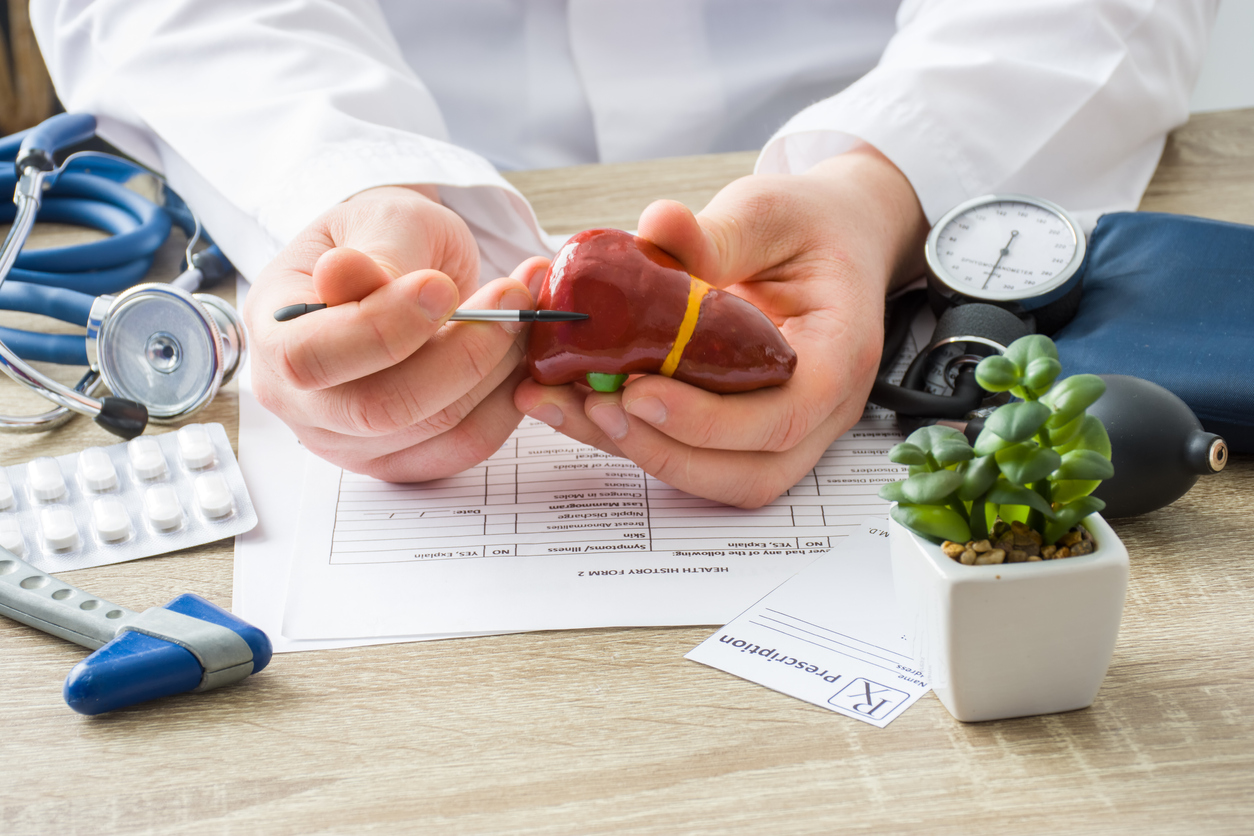
Fatty Liver Treatment: 12 Proven Steps That Work
Fatty liver treatment is most effective when it’s staged, specific, and realistic enough to keep on busy weeks. If you’ve seen elevated liver enzyme tests, central weight gain, fatigue after meals, or vague right-upper-abdominal heaviness—common fatty liver symptoms—you’re not alone. The condition now called MASLD (metabolic dysfunction–associated steatotic liver disease, formerly “NAFLD”) is common, but a clear plan can reverse fat, calm inflammation, and protect your liver long term. At GI Associates, we confirm where you are on the spectrum, map a step-by-step plan, and schedule checkpoints so progress is predictable. Ready to get started? Request a visit on our appointments page and choose a convenient clinic from our locations.
What fatty liver is—and why names changed
Doctors now use MASLD to describe excess fat in the liver tied to metabolic factors such as insulin resistance, weight carried around the midsection, blood-sugar abnormalities, or lipid issues. When inflammation and liver-cell injury join the picture, it’s called MASH (metabolic dysfunction–associated steatohepatitis), which can progress to scarring (fibrosis) and, rarely, cirrhosis. The good news: for many people, targeted fatty liver treatment—anchored in weight trends, meal timing, activity, and risk-factor control—reduces liver fat, normalizes liver enzyme tests, and even regresses early fibrosis. For a plain-English overview, see the NIDDK’s guide to fatty liver disease. For clinician-level context, AASLD’s patient resources outline evaluation and treatment priorities in MASLD/MASH.
How we diagnose and stage (no guesswork)
A single abnormal ALT or AST isn’t a diagnosis. We take a methodical approach:
- History and exam. Metabolic risks, alcohol intake pattern, medicines, sleep, and family history.
- Labs. Liver enzyme tests (ALT/AST), bilirubin, platelets, metabolic labs (A1c, fasting lipids), and exclusion of other liver diseases.
- Imaging. Ultrasound, elastography (FibroScan) or MRI-PDFF to quantify fat and estimate stiffness (a proxy for scar).
- Noninvasive fibrosis scores. Tools like FIB-4 help decide who needs more advanced testing.
- Occasional biopsy. Reserved for unclear cases or when staging will change management.
Once we know your fibrosis risk, fatty liver treatment shifts from vague advice to a concrete plan with measurable milestones.
Why a staged plan beats “try everything”
Quick fixes fade. Your liver responds best to a repeatable routine that lowers liver fat, improves insulin sensitivity, and reduces inflammatory signals without feeling like a second job. We build your plan in three layers:
- Nutrition and timing you can keep (not a rotating list of banned foods)
- Movement that steadily changes metabolic signals
- Medical tools for the right people (lipid, glucose, and blood-pressure control; sleep; weight-loss aids when appropriate)
This approach turns “I hope this works” into “I know what to do next week.”
12 proven steps for fatty liver treatment
1) Aim for 7–10% weight loss—gradually
Losing and maintaining even 7% of body weight can shrink liver fat and lower ALT/AST; around 10% often improves inflammation and early scarring. We target a modest pace (about 1–2 pounds per week) with an eating pattern you can actually live with.
2) Use a Mediterranean-leaning plate
Think vegetables, beans and lentils, fruit, whole grains (oats, brown rice, barley), nuts, seeds, olive oil, and lean proteins (fish, poultry, tofu). Emphasize high-fiber, minimally processed foods and swap refined carbs for slower-digesting options. This pattern improves insulin sensitivity and reduces liver fat without micromanaging every bite. NIDDK’s nutrition pages offer patient-friendly guidance you can build on.
3) Right-size portions and push calories earlier
Front-load calories at breakfast and lunch, then keep dinner lighter and earlier. Late, heavy meals spike insulin and can drive overnight fat storage in the liver. Simple shift, big payoff.
4) Limit sugary drinks and ultra-refined snacks
Sodas, sweet teas, fruit punches, energy drinks, and frequent “white flour + sugar + fat” snacks strongly drive liver fat. Replace with water, unsweetened tea or coffee, and whole-food snacks (nuts, fruit, yogurt, hummus with vegetables).
5) Move most days—mix walking with strength
Aim for at least 150 minutes/week of moderate activity plus two short strength sessions. Walking after meals is a high-impact hack for insulin sensitivity; strength work preserves muscle (your metabolic engine) during weight loss. The CDC’s activity guidelines outline simple weekly targets.
6) Sleep like it matters
Short or fragmented sleep worsens insulin resistance. Protect a consistent window, dim screens late, and plan earlier dinners. If snoring or daytime sleepiness is an issue, screening for sleep apnea can meaningfully improve metabolic control.
7) Tune alcohol and smoking
Even moderate alcohol can complicate staging and strain the liver. If you drink, we’ll personalize limits or a pause. If you smoke, quitting supports every part of fatty liver treatment—circulation, inflammation, and exercise capacity improve.
8) Make medicines work for the liver
We align lipid, blood-pressure, and glucose meds with your goals. Statins are safe and recommended in MASLD when indicated for cardiovascular risk. If you have diabetes or prediabetes, medicines that improve insulin sensitivity or aid weight loss (which we’ll discuss) can be liver-friendly choices. Never stop or start prescriptions without guidance.
9) Track easy metrics weekly
Waist circumference, morning weight, and a simple step or minutes-moved total are enough. Each small trend confirms your plan is working long before the next lab draw.
10) Manage co-drivers: thyroid, PCOS, meds
Untreated hypothyroidism, polycystic ovary syndrome, and certain medicines can amplify liver fat. We screen and coordinate adjustments with your other clinicians so you’re not pushing uphill.
11) Consider weight-loss aids when lifestyle alone stalls
If you’ve built consistent habits and the scale won’t budge—or you have higher fibrosis risk—we may discuss evidence-based weight-loss pharmacotherapy or, for the right patient, metabolic surgery. These are tools, not shortcuts, and they work best atop the routine you already own.
12) Schedule checkpoints—and celebrate reversals
We’ll recheck liver enzyme tests, metabolic labs, and noninvasive fibrosis measures at set intervals (often 3–6 months). Seeing ALT/AST normalize and stiffness fall is motivating—and a real sign your liver is safer.
For deeper background on evaluation and staging, AASLD’s patient education hub summarizes how clinicians approach MASLD and MASH. The NIDDK page above is a helpful, neutral primer as well.
Fatty liver symptoms: what to watch and when to call
Many people feel nothing at first. Others notice fatigue, mild right-sided fullness, or brain-fog on heavy, high-sugar days. Red flags—jaundice, easy bruising, ankle swelling, confusion, or persistent abdominal pain—need prompt evaluation. Most red flags don’t belong to early MASLD; if they appear, we investigate immediately for advanced disease or alternate causes.
Sample day that actually fits a workweek
Breakfast
Oatmeal cooked in milk or a fortified plant alternative, topped with berries and walnuts; coffee or tea (unsweetened).
Lunch
Grain-and-bean bowl: brown rice or quinoa, black beans or lentils, roasted veggies, olive-oil vinaigrette, sprinkle of feta.
Snack
Apple with peanut butter or a small Greek yogurt.
Dinner (earlier, lighter)
Baked salmon or tofu, roasted carrots and broccoli, small baked potato with olive oil and herbs.
After-dinner
10–15 minute walk; water or herbal tea.
We’ll adapt this to your culture, budget, allergies, and schedule so it feels familiar—not like a temporary “diet.”
Alcohol, coffee, and supplements: what really matters
- Alcohol. We individualize, but leaning toward low or none during reversal phases is often best.
- Coffee. Moderate coffee intake is associated with favorable liver signals in many studies; black or lightly sweetened is preferable to sugary drinks.
- Supplements. Skip unproven “liver cleanses.” A standard multivitamin is fine if your diet is limited. Vitamin E is sometimes considered in select non-diabetic adults with biopsy-proven steatohepatitis; we’ll discuss risks and benefits if you’re a candidate.
What your labs mean (and don’t mean)
ALT and AST are helpful, but normal values don’t always guarantee a healthy liver, and elevations don’t reveal how much scarring exists. That’s why we pair labs with imaging and noninvasive fibrosis scores. Over time, fatty liver treatment aims to normalize ALT/AST, improve triglycerides and HDL, and lower A1c when elevated. Your report will list targets so progress is easy to follow.
Medications and procedures—where they fit
Right now, no single pill “cures” MASLD, but medications that drive weight loss, improve insulin sensitivity, or treat lipids are powerful allies. We also coordinate care for overlapping disorders (like sleep apnea) that worsen metabolic stress. Procedures (endoscopic or surgical) are reserved for specific situations—most patients never need them when lifestyle and medical care are aligned.
Two-week quick-start plan you can copy
Days 1–3: Set the floor
• Log a baseline (weight, waist, steps/minutes moved).
• Shift dinner earlier and lighter; remove sugary drinks.
• Walk 10–15 minutes after two meals daily.
Days 4–7: Build consistency
• Mediterranean-leaning plate at three meals; plan a protein-and-fiber snack.
• Add two short strength sessions (body-weight circuits count).
• Sleep window set; dim screens late.
Days 8–10: Personalize
• Identify your easiest calorie leaks (late sweets, liquid calories, snack bowls) and swap them.
• If mornings allow, move a few calories from dinner to breakfast or lunch.
• Review medicines; confirm lipid and glucose plans.
Days 11–14: Lock it in
• Meal-prep two dinners and one grab-and-go lunch.
• Re-measure waist and weight; note energy changes.
• Book labs and elastography follow-up through our appointments page.
Frequently asked questions
Can fatty liver really reverse?
Yes. Many patients reduce liver fat and normalize labs within months, and early fibrosis can regress with sustained changes.
Do I have to avoid fruit?
No. Whole fruit (with fiber) fits well; focus on limiting sugary drinks and desserts.
Is weight loss required if my BMI is “normal”?
Not always. Some people benefit from modest body-composition shifts (more muscle, less visceral fat) and tighter glucose and lipid control even at a normal BMI.
What about intermittent fasting?
An earlier eating window can help some people, especially for trimming late calories. We prioritize patterns you can keep without rebound overeating.
How often will you recheck my liver?
Commonly at 3–6 months, then tailored to your risk and progress. If your fibrosis risk is higher, we monitor more closely.
How GI Associates personalizes fatty liver treatment
You bring your routines and goals; we bring a structured, doable plan. We confirm staging without guesswork, tailor a Mediterranean-leaning plate to your life, align medicines and sleep with your targets, and schedule follow-ups so wins stack up. When you’re ready, request a visit through our appointments page and pick a convenient clinic from our locations. With the right map, your liver can get healthier—week by week.
Educational only; not medical advice.
Authoritative resources (outbound):
- NIDDK — Fatty liver disease overview: causes, testing, and treatment: https://www.niddk.nih.gov/health-information/liver-disease/nafld-nash
- CDC — Physical activity basics and weekly targets: https://www.cdc.gov/physicalactivity/basics/index.htm
- AASLD — Patient education on metabolic fatty liver disease: https://www.aasld.org/liver-fellow-network/patient-education