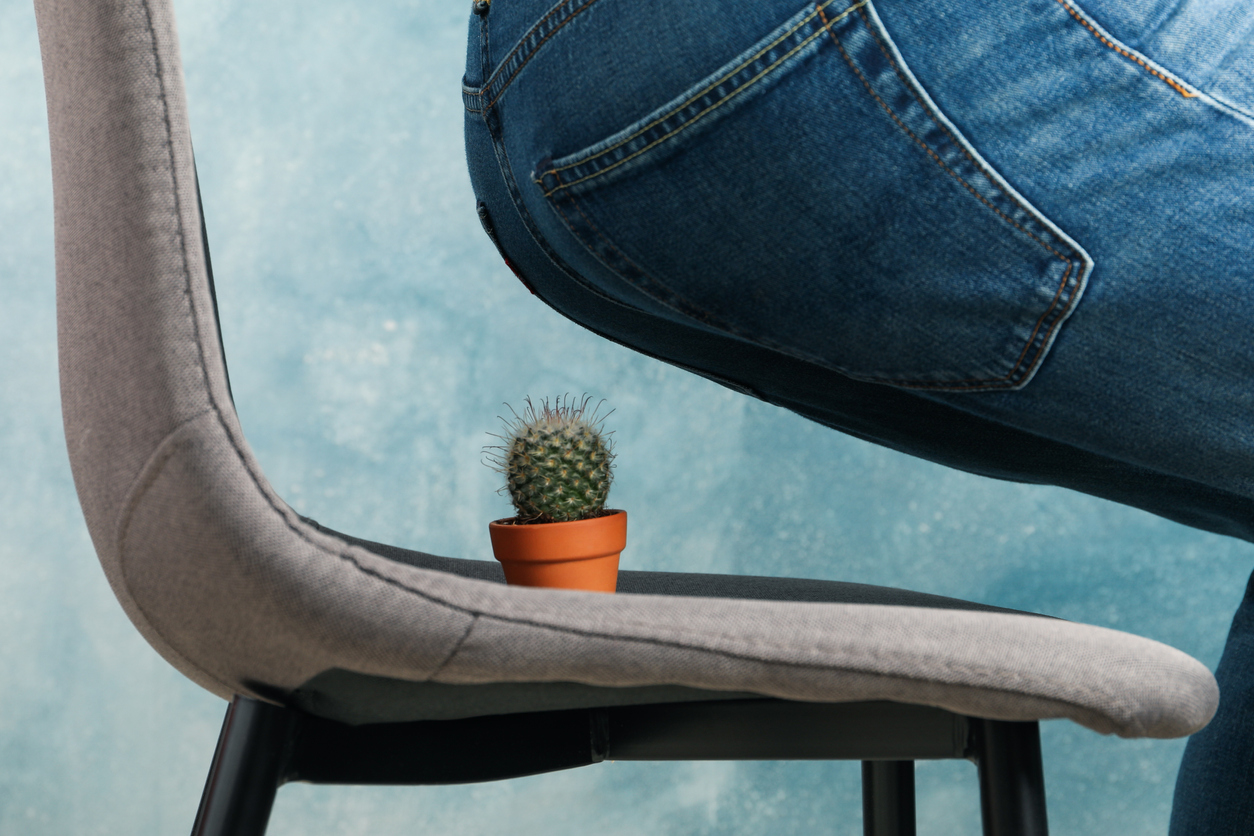
Hemorrhoids, How Long Does it Take for Them to Go Away?
What are hemorrhoids?
They are the swelling of the hemorrhoid tissue. They often look like a grape or a pearl embedded in the skin. It can be itchy, painful, and will bleed if cut. If they persist, they may thrombose (form blood clots), making them extremely painful. You should treat hemorrhoids before they get worse to stop more serious problems from happening. By this point, they have reached an advanced stage because it takes time for them to grow redundant enough to affect any other parts of your body by affecting bowel movements.
What are hemorrhoid symptoms?
Other possible symptoms include:
- Bleeding during bowel movements that are not stopping on their own. If they bleed, you may notice small red or pink streaks or spots in your stool; it can be bright red at times.
- Discomfort when having a bowel movement that is not relieved by wiping toilet paper. Pain that does not go away may feel like a sharp ache during and after a bowel movement. It can last for minutes to hours afterward.
- A painful lump on a hemorrhoid, called a thrombosed hemorrhoid.
- Soreness of the anus
What are the different types of hemorrhoids?
Internal hemorrhoids protrude from inside the body through internal veins around the anus and can’t be seen outside. External hemorrhoids show from outside the body and are easily felt. Prolapsed hemorrhoids happen when internal hemorrhoid pops out of the anal opening.
How long does it take for hemorrhoids to go away?
If they have been caused by pregnancy or growth, they should go away within a few weeks. However, brought on by straining to move stool can last much longer and may require additional treatment for relief.
What are hemorrhoid treatments?
Treatments: Lifestyle changes symptoms can often be relieved with necessary lifestyle changes. Steps you should take include the following:
- Drink plenty of fluids—at least six to eight glasses of water each day—to help prevent hard stools that can strain. Add fiber to your diet if necessary. This will make it easier to pass bowel movements while also relieving pain and other symptoms associated.
- Take short, shallow baths or showers to clean your anus area instead of long, hot baths or showers that have the potential to irritate.
- Avoid using scented soaps. These can be irritating and cause infections. Don’t use creams unless you are sure it is safe. It may increase irritation.
Treatments: Medications Your doctor may prescribe one of the following medications for relief, although there’s not enough scientific evidence to determine if they work well:
- Ointments (Preparation H). These ointments contain chemicals (such as zinc oxide) that reduce itching and swelling around inflamed hemorrhoids.
- suppositories (Anusol HC, Calmol-4, Hemorrhoidal HC). These medications are inserted into the rectum and work to soothe symptoms. They contain ingredients such as phenylephrine or hydrocortisone that help shrink.
- Oral medications (such as creams, pain relievers, antibiotics ). If they are accompanied by pain and inflammation, your doctor may prescribe a medication such as ibuprofen or acetaminophen to help relieve these symptoms.
If you have a prolapsed hemorrhoid, your doctor may recommend manual reduction, a procedure in which they are pushed back inside the body. If this does not work, you may need surgery for removal.
Related Articles
“`html
Understanding the Causes of Hemorrhoids
Hemorrhoids can develop due to a variety of reasons, often related to increased pressure in the lower rectum. Common causes include straining during bowel movements, sitting for long periods on the toilet, chronic diarrhea or constipation, obesity, and pregnancy. The increased pressure from these activities can cause the veins around the anus to swell and become inflamed. Understanding these causes is essential for both prevention and management of hemorrhoids. By addressing these underlying factors, you can reduce the likelihood of developing hemorrhoids or experiencing a recurrence.
Additionally, certain lifestyle factors can contribute to the development of hemorrhoids. A diet low in fiber can lead to constipation, which in turn may cause straining during bowel movements. Incorporating more fiber-rich foods such as fruits, vegetables, and whole grains into your diet can help promote regular bowel movements and decrease the strain on your rectal veins. Regular exercise is also beneficial, as it helps maintain healthy bowel function and reduces the pressure on veins.
When to Seek Medical Attention
While many cases of hemorrhoids can be managed with home treatments and lifestyle changes, there are times when it is important to seek medical attention. If you experience significant pain, heavy bleeding, or if your symptoms do not improve with self-care measures, it is advisable to consult a healthcare professional. Persistent or severe symptoms may indicate a more serious condition that requires medical intervention.
In some cases, hemorrhoids can lead to complications such as anemia from chronic blood loss or a strangulated hemorrhoid, where the blood supply to an internal hemorrhoid is cut off. These conditions require prompt medical evaluation and treatment. Your healthcare provider can offer a range of treatment options, from minimally invasive procedures to surgical interventions, depending on the severity of your condition. Early diagnosis and treatment can help prevent complications and improve your quality of life.
“`“`html
Key Takeaways
Hemorrhoids can be uncomfortable, but they often resolve on their own within a few days to a couple of weeks with proper care. Lifestyle changes, such as increased fiber intake and regular exercise, can help speed up recovery and prevent future occurrences.
When to See a Specialist
If your symptoms persist beyond a few weeks, or if you experience severe pain, bleeding, or any drastic changes, it is important to consult a healthcare professional. A gastroenterologist can offer more targeted treatments and ensure there are no underlying conditions that require attention.
“`