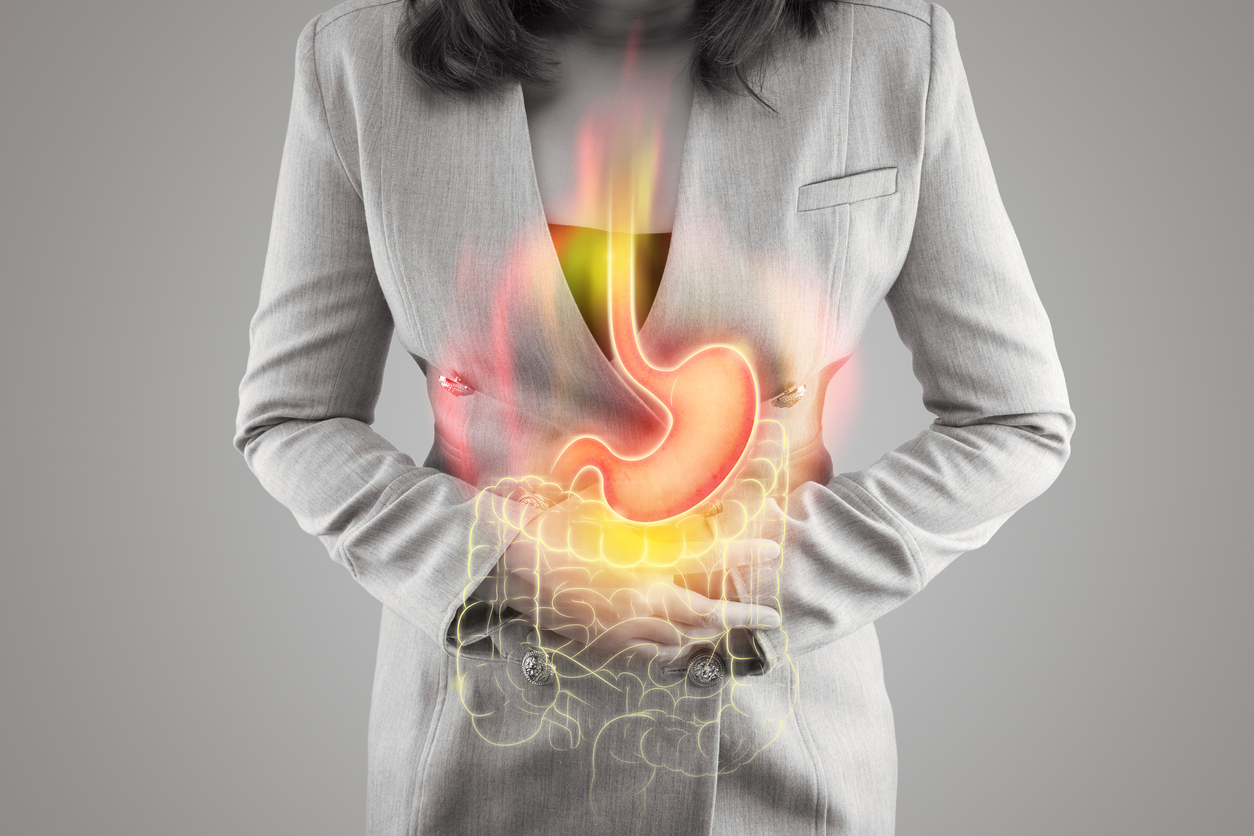
Understanding GERD: Causes and Symptoms
Gastroesophageal Reflux Disease (GERD) is a chronic condition characterized by the backward flow of stomach contents into the esophagus, leading to potential irritation and damage to the esophageal lining. This common disorder affects people of all ages, from infants to the elderly, and while occasional reflux is normal, persistent GERD requires medical attention due to its potential to cause serious health complications over time.
Causes of GERD
GERD occurs when the lower esophageal sphincter (LES), a ring of muscle that acts as a valve between the esophagus and stomach, fails to close properly or opens too often, allowing acidic stomach contents to flow back into the esophagus. Several factors contribute to the dysfunction of the LES and the development of GERD:
- Hiatal Hernia: This condition, where a portion of the stomach pushes up through the diaphragm into the chest cavity, can affect LES function and is commonly associated with GERD.
- Obesity: Excess body weight can put pressure on the abdomen, pushing stomach contents into the esophagus.
- Pregnancy: Hormonal and physical changes during pregnancy can lead to an increased risk of GERD.
- Connective Tissue Disorders: Conditions like scleroderma can affect the LES.
- Delayed Stomach Emptying: For various reasons, including diabetes, the stomach may empty more slowly, increasing the risk of GERD.
- Lifestyle Factors: Diet and lifestyle choices, such as eating large meals, lying down after eating, consuming fatty or fried foods, caffeine, alcohol, chocolate, and smoking, can all contribute to GERD symptoms.
Symptoms of GERD
GERD can present a wide range of symptoms, with the severity varying from person to person. The most common symptoms include:
- Heartburn: A burning sensation in the chest, usually after eating, which might be worse at night or when lying down.
- Regurgitation: The sensation of acid backing up into your throat or mouth, producing a sour or bitter taste.
- Dysphagia: Difficulty swallowing or a sensation that food is stuck in your throat or chest.
- Chest Pain: This can occur, particularly when lying down.
- Chronic Cough: A persistent cough that does not respond to typical cough treatments, possibly due to acid reflux.
- Laryngitis: Inflammation of the voice box from acid reflux.
- Asthma Symptoms: GERD can exacerbate or mimic asthma symptoms, such as wheezing and difficulty breathing.
- Tooth Erosion: Acid reflux can wear away at the enamel of the teeth.
Diagnosis and Management
If you experience persistent symptoms of GERD, it’s important to seek medical evaluation. A healthcare provider may recommend lifestyle modifications, over-the-counter medications, or prescription treatments to manage symptoms and prevent complications. In some cases, diagnostic tests such as endoscopy, esophageal pH monitoring, or esophageal manometry may be necessary to confirm the diagnosis and assess the severity of the condition.
Lifestyle Modifications for GERD Management
For individuals managing GERD, adapting lifestyle habits can play a crucial role in alleviating symptoms and improving quality of life. Simple yet effective modifications include eating smaller meals more frequently, avoiding eating right before bedtime, and identifying and steering clear of foods that trigger symptoms. Elevating the head of the bed can also help prevent acid reflux during sleep. Furthermore, maintaining a healthy weight, quitting smoking, and limiting alcohol intake can significantly reduce the frequency and severity of GERD symptoms. These lifestyle changes, combined with medication if prescribed, often lead to better management of GERD, contributing to a significant improvement in daily comfort and overall health.
Conclusion
GERD is a prevalent condition that can significantly impact the quality of life but is manageable with appropriate medical care and lifestyle adjustments. Recognizing the causes and symptoms of GERD is the first step toward seeking treatment and improving overall health and well-being.
Related Articles
“`html
Understanding the Role of Diet in GERD
Diet plays a significant role in managing GERD symptoms. While specific triggers can vary from person to person, certain foods and beverages are more commonly associated with exacerbating GERD symptoms. Spicy foods, citrus fruits, tomatoes, garlic, onions, and carbonated drinks are known to potentially irritate the esophagus or relax the LES, leading to increased reflux. Keeping a food diary can be beneficial in identifying personal triggers. It is also advisable to eat slowly and chew food thoroughly to aid digestion and reduce the likelihood of reflux.
In addition to avoiding trigger foods, incorporating certain dietary habits can help manage GERD. Opting for a diet rich in vegetables, lean proteins, and whole grains can promote digestive health. Foods high in fiber can help with weight management and improve digestion, which may alleviate GERD symptoms. Drinking plenty of water throughout the day can also assist in diluting stomach acid and supporting overall digestive health.
Medical Treatment Options for GERD
For those requiring medical intervention, several treatment options are available to manage GERD symptoms effectively. Over-the-counter antacids can provide quick relief by neutralizing stomach acid, while H2 blockers and proton pump inhibitors (PPIs) reduce acid production, offering longer-lasting relief. It’s important to follow healthcare provider recommendations regarding the use of these medications, as long-term use should be monitored due to potential side effects.
In cases where lifestyle changes and medications do not adequately control symptoms, further medical evaluation may be necessary. Procedures such as endoscopic therapies or surgery might be considered to reinforce the function of the LES. Surgical options, such as fundoplication, can be effective in reducing reflux by wrapping the upper part of the stomach around the LES to strengthen it. Patients should discuss the risks and benefits of these procedures with their healthcare providers to make informed decisions about their treatment plans.
“`