The Crucial Role of Colonoscopy in Colon Cancer Screening and Prevention
Colon cancer, one of the leading causes of cancer-related deaths worldwide, can be effectively prevented with regular colonoscopy screenings. This procedure allows for the early detection of potentially malignant growths, known as polyps, in the colon and rectum. The practice of removing these polyps during the colonoscopy not only aids in the early diagnosis of colon cancer but can also prevent it altogether. In the following sections, we delve deeper into the crucial role of colonoscopy in colon cancer screening and prevention and explore why it is considered a cornerstone of modern gastroenterology.
Understanding Colon Cancer: The Importance of Early Detection
Colon cancer, a malignant growth in the large intestine, is a major health concern globally. It often begins as small, benign clumps of cells called polyps that, over time, can become cancerous. Early detection through screening is critical for successful treatment and survival. The five-year survival rate for localized colon cancer is 90%, compared to only 14% for advanced cases. Regular colonoscopy screenings can detect polyps and allow for their removal before they develop into cancer, greatly reducing the risk of death from this disease.
Colonoscopy: The Gold Standard for Colon Cancer Screening
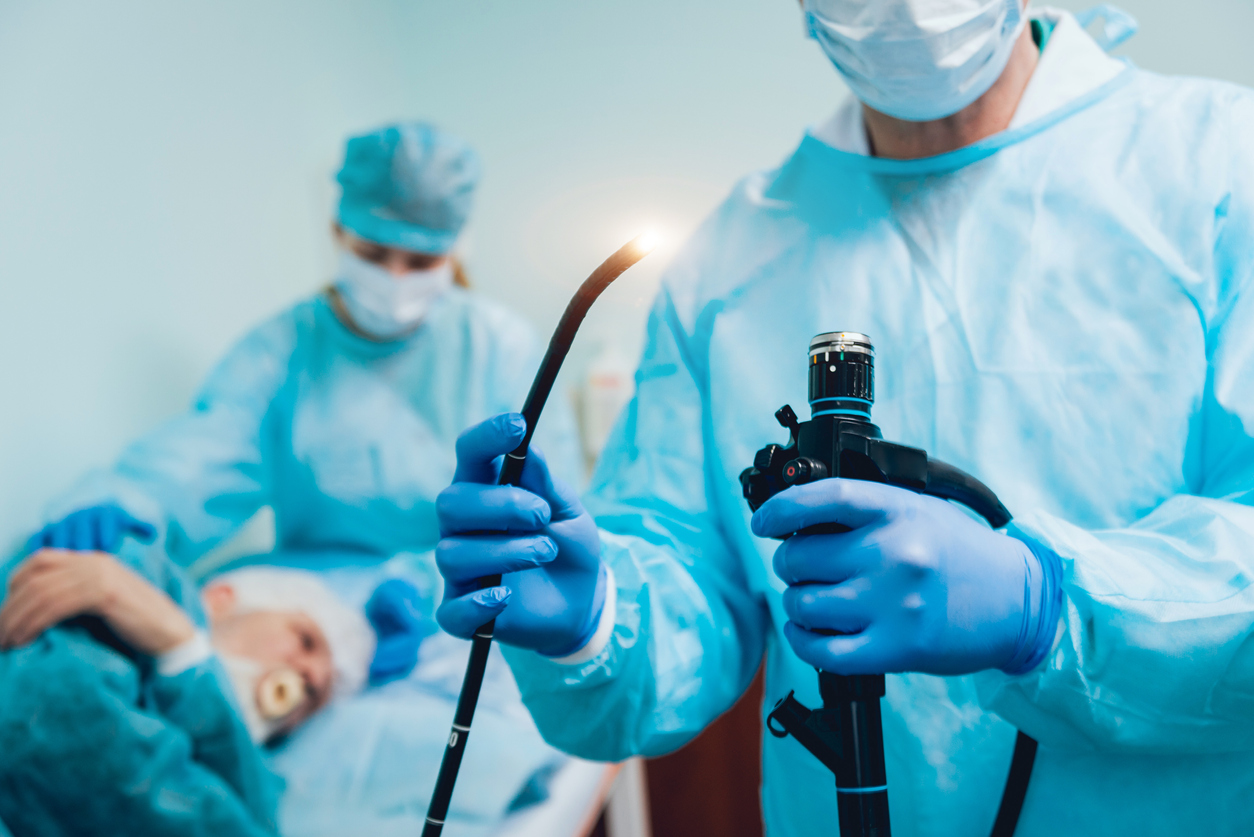
A colonoscopy is a medical procedure that allows a gastroenterologist to examine the lining of the colon and rectum using a long, flexible tube called a colonoscope. This procedure is considered the gold standard for colon cancer screening because it not only detects cancer but can also prevent it by allowing for the removal of polyps before they turn malignant. During the procedure, the patient is placed under mild sedation for comfort, and the gastroenterologist carefully navigates the colonoscope through the entire colon. This allows for a comprehensive inspection of the intestinal lining, making it one of the most effective methods for identifying abnormalities.
How Often Should You Get Screened? Understanding Colonoscopy Guidelines
Current guidelines recommend that individuals at average risk of colon cancer begin screening at age 45 and continue at regular intervals, typically every ten years. Those with a higher risk may need to start earlier and be screened more frequently. Factors that increase the risk of colon cancer include a family history of the disease, a personal history of inflammatory bowel disease, or certain hereditary cancer syndromes. It is important to discuss your individual risk factors with your doctor and follow their recommendations for screening.
The Process of Preparing for a Colonoscopy: Ensuring a Clear View
To ensure the most effective examination, patients must follow a specific preparation process before a colonoscopy. This includes a clear liquid diet, laxatives, and often, an enema to empty the colon completely. While this process can be uncomfortable, it is necessary for a clear view of the intestinal lining and accurate identification of any abnormalities. Patients should also inform their doctor if they are taking any blood-thinning medications or have a history of bleeding disorders to ensure proper precautions are taken during the procedure.
What to Expect During a Colonoscopy: The Steps of the Procedure
During the procedure, patients are usually sedated for comfort. The doctor will then insert the colonoscope into the rectum, inflate the colon with air to provide a better view, and inspect the colon for polyps or cancer. If necessary, polyps can be removed during the procedure. The entire process typically takes 30 minutes to an hour, and patients can usually return home the same day.
The Aftermath: Recovery and Results Following a Colonoscopy
Post-procedure, patients may experience minor discomfort such as bloating or gas pain. Results from a colonoscopy are typically discussed with the patient once they are fully awake, with pathology results from any removed polyps following a few days later. If no abnormalities are found, patients can generally resume their normal activities the next day. In the case of any polyps being identified and removed during a colonoscopy, follow-up appointments may be necessary to monitor for recurrence.
Reducing Your Risk: Lifestyle Changes to Complement Colon Cancer Screening
Beyond screening, individuals can lower their risk of colon cancer through dietary changes, regular exercise, maintaining a healthy weight, limiting alcohol consumption, and avoiding tobacco. These lifestyle changes can complement the effectiveness of colonoscopy screenings and help prevent colon cancer.
Embracing the Life-Saving Potential of Colonoscopy Screening
Colonoscopy screening is a powerful tool in the fight against colon cancer. By understanding its role and participating in regular screening, individuals can greatly reduce their risk of developing advanced colon cancer. If you are over 45 years of age or have other risk factors, make sure to talk to your doctor about scheduling a colonoscopy and taking control of your health. Together, we can continue to improve the prevention and early detection of colon cancer worldwide. Let’s work towards a future where this disease is no longer one of the leading causes of cancer-related death.
“`html
Potential Risks and Complications: What You Need to Know
While colonoscopy is a generally safe and well-tolerated procedure, it is important for patients to be aware of potential risks and complications. These can include bleeding, especially if a polyp is removed, and perforation of the colon, which is rare but serious. Other potential side effects may include reactions to the sedative used during the procedure. It is crucial to communicate any health concerns or symptoms you experience after the procedure to your healthcare provider promptly. Understanding these risks helps you make an informed decision about your health and screening options.
Your gastroenterologist will take all necessary precautions to minimize these risks, and the benefits of early detection and prevention of colon cancer typically outweigh the potential complications. Always follow your doctor’s pre-procedure and post-procedure instructions carefully to ensure the best possible outcome.
After the Procedure: Recovery and Follow-Up Care
Following a colonoscopy, patients are usually monitored for a short period until the effects of sedation wear off. It is normal to experience some bloating or gas due to the air introduced into the colon during the procedure. Most patients can resume their normal activities the next day, although it is advised to avoid making important decisions or driving for at least 24 hours post-procedure due to the lingering effects of sedation.
Your doctor will discuss the results of the colonoscopy with you, which may include the removal of polyps for biopsy. If polyps were removed or if any abnormalities were detected, your doctor might recommend a shorter interval for your next screening. It is important to adhere to these recommendations and maintain regular follow-up appointments. Staying informed and proactive about your colon health is a vital step in preventing colon cancer and ensuring long-term well-being.
“`