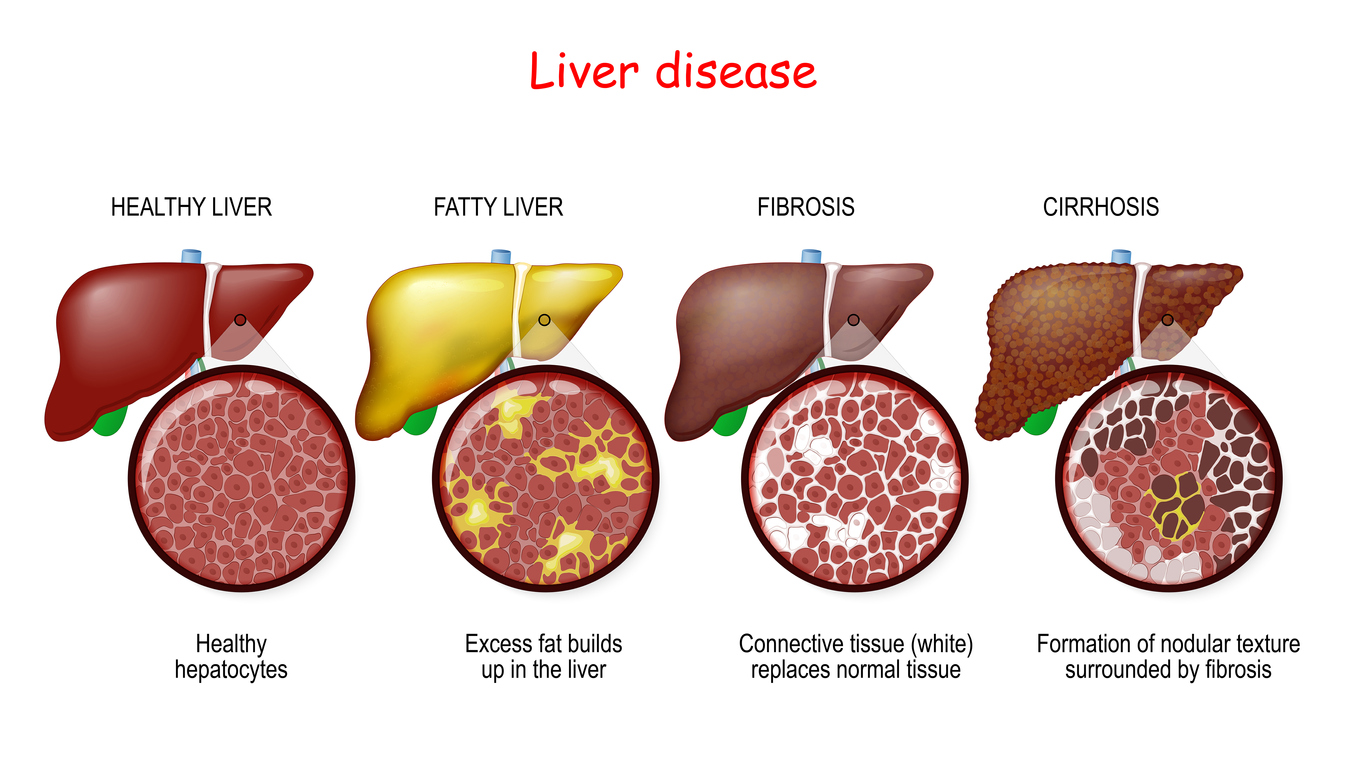
The Dangers of Untreated Fatty Liver Disease
Fatty liver disease is a condition in which excess fat accumulates in the liver. This can cause inflammation and scarring of the liver, which can lead to serious health problems, including cirrhosis or permanent liver damage. Treatment for fatty liver disease typically involves lifestyle changes such as losing weight, eating a healthy diet, and getting regular exercise. In some cases, medications or surgery may also be needed.
What is fatty liver disease?
Fatty liver disease is a condition in which excess fat accumulates in the liver. This can cause inflammation and scarring of the liver, which can lead to serious health problems, including cirrhosis or permanent liver damage. Treatment typically involves lifestyle changes, such as losing weight, eating a healthy diet, and getting regular exercise. In some cases, medications or surgery may also be needed.
If you think you may have fatty liver disease, talk to your doctor about treatment options. Lifestyle changes, such as losing weight, eating a healthy diet, and getting regular exercise, are often the first line of treatment. In some cases, medications or surgery may also be needed.
Symptoms of fatty liver disease
Symptoms can vary from person to person but may include:
- feeling tired and weak
- nausea and vomiting
- loss of appetite
- abdominal pain
- yellowing of the skin and eyes (jaundice)
- swelling of the legs and abdomen
Causes of fatty liver disease
It can be caused by a variety of factors, including:
- excessive alcohol consumption
- obesity or being overweight
- diabetes
- high cholesterol
- poor diet
- lack of exercise
- certain medications or medical conditions
Treatment for fatty liver disease
The first step in treatment is usually making lifestyle changes, such as losing weight, eating a healthy diet, and getting regular exercise. In some cases, medications or surgery may also be needed.
If you have fatty liver disease, it is important to get treatment as soon as possible. Left untreated, fatty liver disease can lead to serious health problems, including cirrhosis or permanent liver damage. Treatment options vary depending on the individual but often include lifestyle changes and medications. If necessary, surgery may also be an option.
Lifestyle changes
Making lifestyle changes is often the first step in treating fatty liver disease. These changes can help to reverse the progression of the disease and improve your overall health. Lifestyle changes may include:
- losing weight
- eating a healthy diet
- getting regular exercise
- avoiding alcohol
Medications
In some cases, medications may be needed to treat fatty liver disease. Medications used for treatment include:
- statins to lower cholesterol
- vitamins E and A to reduce inflammation
- diabetes medications to control blood sugar levels
Surgery
In severe cases of fatty liver disease, surgery may be necessary. The two most common types of surgery for fatty liver disease are known as hepatectomy and liver transplant. Hepatectomy is the removal of a portion of the liver, while liver transplant is the replacement of the entire liver with a healthy donor liver.
Fatty liver disease is a serious condition that can lead to serious health problems if left untreated. If you think you may have fatty liver disease, talk to your doctor about treatment options. Treatment typically involves lifestyle changes, such as losing weight, eating a healthy diet, and getting regular exercise. In some cases, medications or surgery may also be needed.
Related Articles
“`html
Understanding the Risks of Untreated Fatty Liver Disease
Fatty liver disease, when left untreated, can progress to more severe liver conditions. The initial stage, known as simple fatty liver or steatosis, might not cause significant harm by itself, but it can escalate to non-alcoholic steatohepatitis (NASH). NASH involves not only fat accumulation but also inflammation and liver cell damage. Over time, this inflammation can lead to fibrosis, where scar tissue forms in the liver, impairing its function. If the fibrosis becomes severe, it can progress to cirrhosis, a condition where the liver is permanently scarred and damaged. Cirrhosis significantly increases the risk of liver failure and liver cancer, both of which are life-threatening conditions. Recognizing the potential progression of fatty liver disease underscores the importance of early intervention and management.
Moreover, untreated fatty liver disease can have systemic effects beyond the liver. It is often associated with metabolic syndrome, which includes a cluster of conditions such as obesity, type 2 diabetes, high blood pressure, and abnormal cholesterol levels. These conditions collectively increase the risk of cardiovascular diseases, including heart attacks and strokes. Therefore, addressing fatty liver disease is crucial not only for liver health but also for overall cardiovascular health.
Working with Healthcare Providers for Optimal Management
Collaborating with healthcare providers is essential for effectively managing fatty liver disease. Your doctor can help tailor a treatment plan that addresses your specific needs and risk factors. Regular monitoring through blood tests and imaging studies, such as ultrasounds or MRIs, can help assess the liver’s condition and track any changes over time. This ongoing assessment is vital for making necessary adjustments to your treatment plan and ensuring that it remains effective.
In addition to medical interventions, your healthcare team can provide valuable support in making lifestyle changes. This might include referrals to dietitians for personalized dietary advice or physical therapists to develop safe and effective exercise routines. Support groups or counseling services may also be recommended to help with the emotional and psychological aspects of living with a chronic condition. Remember, managing fatty liver disease is a collaborative effort that involves various healthcare professionals, each playing a role in helping you achieve the best possible outcomes.
“`