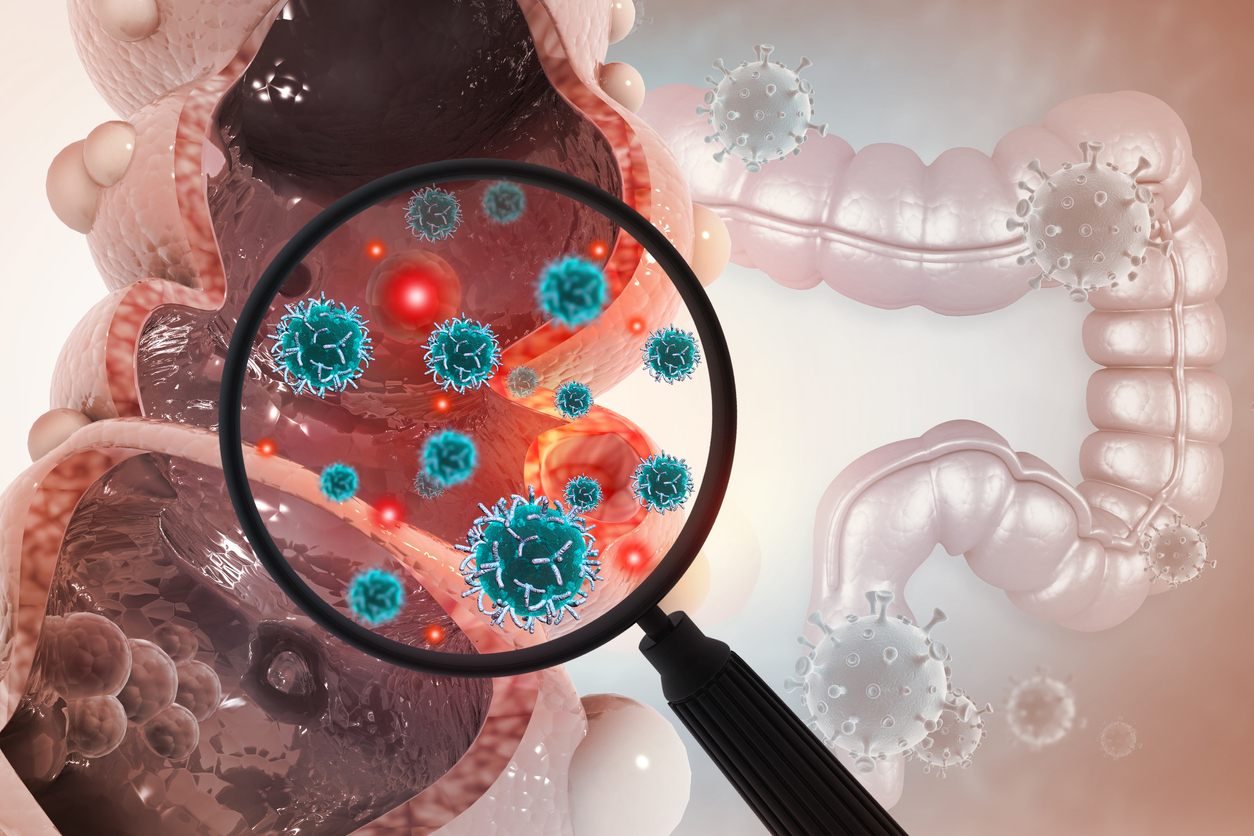
The Signs That You Have Colon Cancer
Colon cancer, also known as colorectal cancer or CRC, is a type of cancer that starts in the colorectal area. Colorectal cancer is the third most common type of cancer in the United States, with over 95,000 new cases diagnosed yearly. CRC is also one of the deadliest types of cancer, with over 40,000 people dying from it each year.
Despite its high death rate, colon cancer is often preventable. Colorectal cancer usually has no symptoms until it is pretty advanced. It may be too late for treatment to be effective by that time. There are, however, some signs and symptoms that you can watch for.
Colon Cancer Symptoms
Colorectal cancer has no symptoms in the early stages. However, in later stages, symptoms may include:
- Rectal bleeding: Rectal bleeding is often the first sign of CRC. It may be accompanied by blood in the stool, or it may occur independently. If you experience any rectal bleeding, see your doctor right away.
- Blood in stool: Blood in the stool can be a sign of many different things, including but not limited to colon cancer. If you experience blood in your stool, it is essential to see your doctor right away. There are many possible causes of blood in stool, and only a doctor can determine the cause and provide the appropriate treatment.
- Unintentionally losing weight: CRC can cause weight loss because it often causes nausea and vomiting. If you are not eating or drinking enough
- Weakness or Fatigue: If you feel weak or tired for no apparent reason, it could be a sign of colon cancer. This is because the cancer can interfere with the body’s ability to absorb nutrients from food. It may also reduce the amount of oxygen getting to the tissues, leading to fatigue.
- Abdominal pain or cramping: Colon cancer can cause pain in the lower abdomen and cramping. If you are experiencing abdominal pain or cramping, it is essential to see your doctor right away to determine the cause and receive appropriate treatment.
Colon Cancer Prevention
Colorectal cancer is one of the most preventable types of cancer. You can do many things to reduce your risk of developing CRC.
Some ways to reduce your risk of colon cancer include:
- Eating a healthy diet: A healthy diet is vital for reducing your risk of many different types of cancer, including colon cancer. Eat plenty of fruits and vegetables, and stay away from processed foods.
- Exercising regularly: Exercise is another critical way to reduce cancer risk. It helps keep your body healthy and reduces the number of carcinogens (cancer-causing chemicals) that can build up in your body over time.
- Avoiding tobacco products: Tobacco products are a significant cause of cancer, including colorectal cancer.
- Getting screened regularly: CRC often has no symptoms until it is pretty advanced. It may be too late for treatment to be effective by that time. That is why it is vital to get screened regularly for colon cancer. Screening tests can detect the disease early when treatment is most likely to succeed.
Colon Cancer Treatment
Colorectal cancer is often advanced by the time it is diagnosed. This is because most people do not have any symptoms until the tumor progresses immensely. However, there are treatments available for CRC that can be effective if caught early.
Colon cancer treatments include surgery, radiation therapy, and chemotherapy. Surgery is the most common treatment for colon cancer. This involves removing the cancerous tumor and some of the healthy tissue around it.
Radiation therapy uses high-energy beams to kill cancer cells. It is often used in combination with surgery.
Chemotherapy is a type of medication that is used to kill cancer cells. It can be administered orally or through an injection. Colon cancer is often treated with a combination of these therapies.
Conclusion
Colorectal cancer is a severe disease that can often be deadly if not caught in time. It’s essential to be aware of the signs and symptoms of CRC so that you can get treatment as soon as possible.
Related Articles
“`html
Understanding Risk Factors for Colon Cancer
While anyone can develop colon cancer, certain factors may increase your risk. Age is a significant factor, as most cases are diagnosed in people over 50. However, younger adults can also be affected. A family history of colorectal cancer or polyps can raise your risk, as genetic predispositions may play a role. Additionally, personal history of inflammatory bowel disease, such as Crohn’s disease or ulcerative colitis, can increase your likelihood of developing CRC. Lifestyle factors, including a diet high in red or processed meats, low physical activity, obesity, and excessive alcohol consumption, are also linked to a higher risk of colon cancer. Understanding these risk factors can help you make informed decisions about your health and screening options.
It’s important to discuss your individual risk factors with your healthcare provider. They can help you determine the appropriate age to begin screening and the best methods based on your personal and family medical history. Early detection through regular screening is a powerful tool in reducing the risk of advanced colorectal cancer and improving outcomes.
Living with Colon Cancer: Support and Resources
Receiving a diagnosis of colon cancer can be overwhelming, but it’s important to remember that you are not alone. Many resources are available to support you through diagnosis, treatment, and beyond. Patient advocacy groups, such as the Colorectal Cancer Alliance and the American Cancer Society, offer educational materials, support networks, and guidance to help you navigate your cancer journey. Connecting with others who have experienced similar challenges can provide emotional support and practical advice.
In addition to external resources, it’s crucial to maintain open communication with your healthcare team. They can offer guidance on managing treatment side effects, maintaining a balanced diet, and addressing any emotional or psychological concerns you may have. Consider seeking counseling or joining a support group to help process your feelings and develop coping strategies. Remember, taking care of your mental and emotional well-being is just as important as addressing the physical aspects of the disease. By utilizing available resources and maintaining a strong support network, you can better manage the challenges that come with living with colon cancer.
“`