Understanding Heartburn: Symptoms and Home Treatment Options
What is Heartburn?
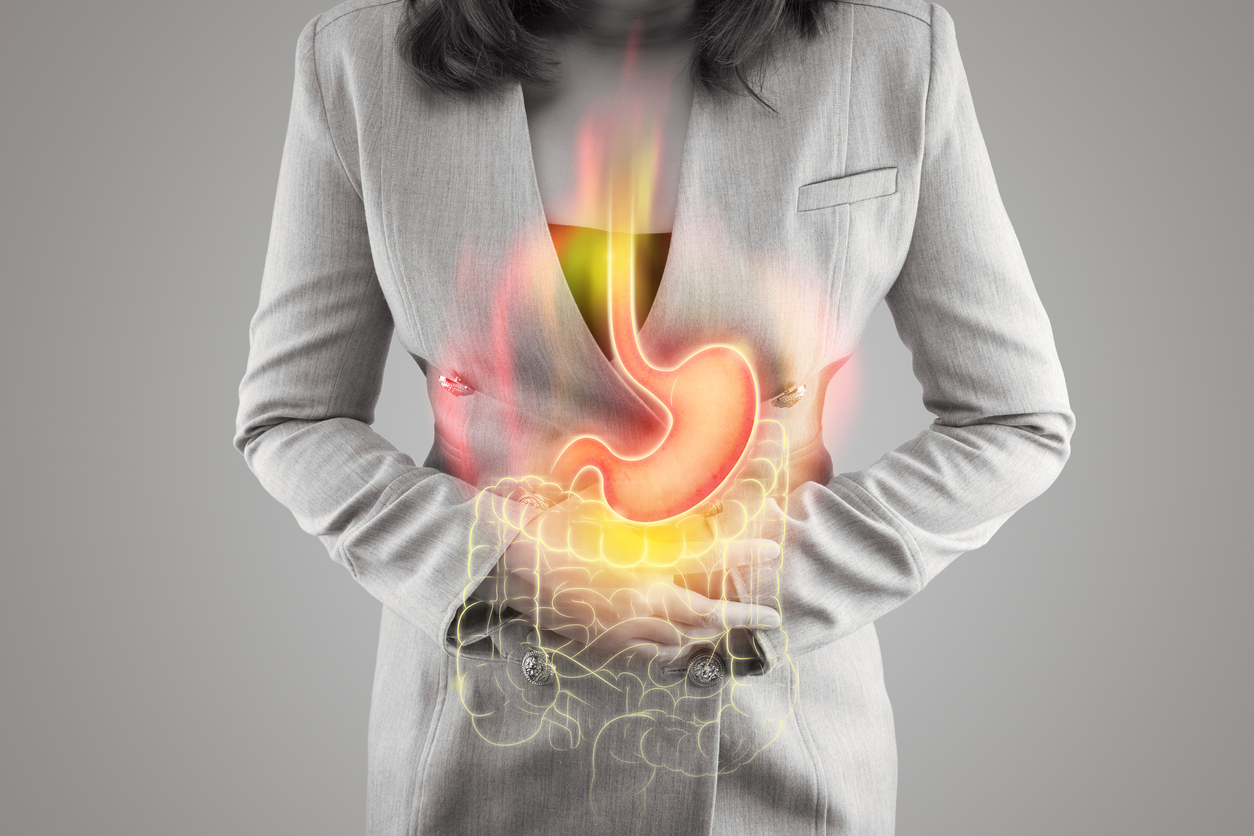
Heartburn is a common condition that causes a burning sensation in the chest, often just behind the breastbone. It happens when stomach acid backs up into the esophagus, irritating the lining. While it’s normal to experience heartburn occasionally, frequent episodes can indicate a more serious condition like gastroesophageal reflux disease (GERD).
Unlike GERD, which is a chronic issue requiring long-term management, heartburn typically occurs after eating certain foods or overeating. The symptoms usually disappear after a few hours, especially with home treatments. They understand how heartburn works and its causes, which can help you manage the symptoms effectively.
Common Symptoms of Heartburn
The most noticeable symptom of heartburn is a burning feeling in the chest. This discomfort often occurs after eating and may worsen when lying down or bending over. The pain can last anywhere from a few minutes to several hours.
Another common symptom is a sour or bitter taste in the mouth, which occurs when acid from the stomach rises into the throat. Some people may also experience bloating, a feeling of fullness, or even a sensation of food being stuck in the throat. If heartburn happens frequently, addressing the symptoms early is important to prevent complications.
Common Causes of Heartburn
Certain foods, drinks, or lifestyle habits often trigger heartburn. Spicy foods, fatty or fried meals, caffeine, chocolate, and alcohol are some of the most common causes. Overeating or eating large meals close to bedtime can also trigger heartburn by putting extra pressure on the stomach.
Lifestyle factors like lying down too soon after eating, smoking, and wearing tight clothing around the waist can worsen symptoms. In addition, being overweight or pregnant increases the risk of heartburn due to extra pressure on the stomach and esophagus.
Effective Home Treatments for Heartburn
Heartburn can be managed with simple home treatments and lifestyle changes for most people. Dietary changes are one of the most effective ways to reduce heartburn. Avoiding trigger foods such as spicy, acidic, or fried items can help. Eating smaller meals throughout the day instead of large ones can also prevent heartburn, reducing the pressure on the stomach.
Another simple home treatment is elevating the head of your bed by about six to eight inches. This prevents stomach acid from flowing back into the esophagus while you sleep. Waiting at least two to three hours after eating before lying down can also help prevent symptoms.
Herbal remedies, such as ginger and chamomile tea, can soothe the digestive system and reduce inflammation. Chewing gum after meals may also help, as it stimulates saliva production, neutralizing stomach acid. For those looking for natural remedies, apple cider vinegar diluted in water or a small amount of baking soda mixed with water may offer relief, though it’s important to consult a doctor before trying these methods.
Over-the-counter remedies for Heartburn
Over-the-counter medications provide quick and effective relief for many people with heartburn. Antacids like Tums or Rolaids neutralize stomach acid, offering fast relief for mild heartburn. They are best used occasionally and are ideal for short-term symptoms.
For more persistent heartburn, H2 blockers like ranitidine (Zantac) or famotidine (Pepcid) reduce stomach acid production, providing longer relief. Proton pump inhibitors (PPIs), such as omeprazole (Prilosec), also reduce stomach acid and are often used for more severe cases. PPIs provide relief for up to 24 hours but take longer to start working.
If heartburn occurs regularly or does not improve with over-the-counter remedies, seeking medical advice is important. Frequent heartburn may be a sign of a more serious condition like GERD, which requires professional treatment.
Conclusion: Managing Heartburn with Home Treatments
Heartburn is an uncomfortable but manageable condition. Recognizing the symptoms early and making small lifestyle changes can reduce its impact. Avoiding trigger foods, eating smaller meals, and elevating the head of your bed are simple and effective ways to relieve heartburn. Over-the-counter medications can also provide fast relief when needed.
However, if your heartburn is persistent or severe, it’s important to speak with a healthcare provider. Managing heartburn early can prevent long-term complications and improve your quality of life.“`html
When to Seek Medical Attention
While heartburn is often manageable with lifestyle changes and over-the-counter treatments, there are times when it is important to seek medical attention. If you experience heartburn more than twice a week, or if symptoms persist despite home treatment, it may be a sign of gastroesophageal reflux disease (GERD) or another underlying condition that requires medical evaluation. Additionally, if you experience severe chest pain, difficulty swallowing, or unexplained weight loss, it’s crucial to consult a healthcare provider promptly. These symptoms could indicate a more serious issue, such as an esophageal ulcer or even heart problems, and should not be ignored.
It’s also essential to contact a doctor if over-the-counter medications are needed more frequently or if they become less effective over time. A healthcare provider can offer guidance on prescription medications or other interventions that may be necessary to manage your symptoms effectively. Remember, early intervention can prevent complications and improve your quality of life.
Preventive Measures for Long-term Relief
Preventing heartburn can often be achieved by making proactive lifestyle changes. Maintaining a healthy weight is one of the most effective ways to reduce the frequency of heartburn, as excess weight can increase abdominal pressure, pushing stomach contents into the esophagus. Incorporating regular exercise into your routine can also help manage weight and improve digestive health, but be mindful of the timing of your workouts in relation to meals to avoid triggering symptoms.
Adjusting your eating habits can further aid in preventing heartburn. Opt for a balanced diet rich in fruits, vegetables, and whole grains, and try to eat smaller, more frequent meals rather than large ones. Avoiding known trigger foods and beverages, such as caffeine, alcohol, and carbonated drinks, can significantly reduce the likelihood of experiencing heartburn. Additionally, practicing mindful eating by chewing food thoroughly and eating slowly can aid digestion and decrease the risk of acid reflux.
Creating a comfortable and supportive sleeping environment can also contribute to long-term relief. Consider using a wedge pillow or raising the head of your bed to keep your head elevated while you sleep, as this can prevent stomach acid from moving up into the esophagus. By combining these preventive measures with occasional use of over-the-counter remedies, many individuals can effectively manage heartburn and enjoy a better quality of life.
“`