Why You Should Get A Colonoscopy
It’s no secret that getting a colonoscopy can be a bit of an ordeal. But the potential benefits of having one far outweigh any discomfort or inconvenience you may experience. If you’re over 50, it’s highly recommended to get screened for colon cancer with a colonoscopy.
What is a colonoscopy
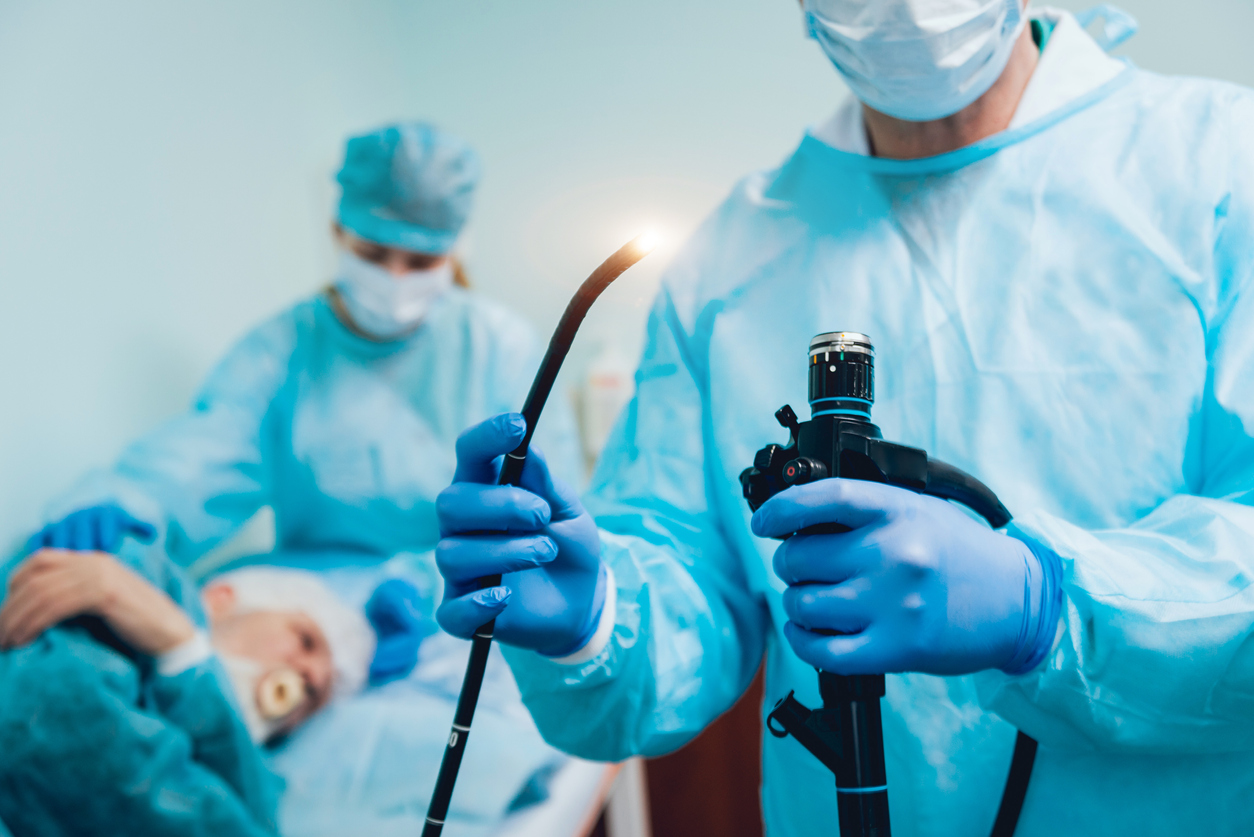
A colonoscopy is a type of screening test that allows your doctor to look inside your large intestine (colon) for signs of cancer or other problems. It’s done using a long, thin, flexible tube called a colonoscope. The scope is inserted through the rectum and passed into the colon. This lets your doctor see the entire length of the colon.
Four Reasons Why A Colonoscopy Is Highly Recommended
- Colon cancer is the third most common cancer in the United States, and it’s also one of the deadliest. When caught early, however, it’s a highly treatable disease. A colonoscopy is the best way to screen for colon cancer. A colonoscopy can detect cancerous lesions and precancerous polyps, which can be removed before they have a chance to develop into cancer.
- Other tests, such as a fecal occult blood test, can only detect cancers that have already begun to bleed. A colonoscopy can find both cancers and polyps.
- Colonoscopies are relatively safe. The risks associated with the procedure are low and include minor problems such as pain, nausea, and vomiting.
- Colonoscopies are relatively affordable. Many health insurance plans cover at least part of the cost of a colonoscopy. If you don’t have insurance, or if your plan doesn’t cover colonoscopies, the price is still relatively low.
How does it work?
The procedure begins with the patient drinking a laxative solution that causes a bowel movement. This cleanses the intestine and makes it easier for the doctor to see any lesions or polyps.
The patient lies on their back on an exam table and is sedated. A lighted tube is inserted through the rectum and passed into the colon. This lets the doctor see the entire length of the colon.
If the doctor finds any lesions or polyps, they can be removed using a small tool on the end of the scope. The patient may feel some cramping during the procedure, but it’s usually brief and doesn’t cause lasting pain.
After the procedure is finished, the patient is monitored quickly before being allowed to go home.
When should you get a colonoscopy?
Most people should get their first colonoscopy at age 50, but some exceptions are. If you have a family history of colorectal cancer, you may need to start getting screened at a younger generation.
Even if you don’t have a family history of colon cancer, getting a colonoscopy every ten years is a good idea. This will help ensure that any polyps or lesions are caught early before they have a chance to turn into cancer.
If you experience any symptoms that could be related to colon cancer, such as blood in your stool, weight loss, or changes in your bowel habits, see your doctor right away.
Who Should Get Screened for Colorectal Cancer with a Colonoscopy?
Screening tests, such as a colonoscopy, can find both cancers and polyps before they have a chance to turn into cancer. The American Cancer Society recommends that all adults 50 years or older get screened for colorectal cancer with a colonoscopy. This is because CRC is a highly treatable disease when caught early.
Conclusion
Colonoscopies can find both cancers and polyps before they turn into cancer, making them one of the most important screenings for colorectal cancer. If you are 50 years of age or older and have no family history of colon cancer, it is good to get a colonoscopy every ten years. Even if you don’t think that your risk factors warrant getting screened annually, do not stop the screening because early detection equals more favorable outcomes.
Related Articles
“`html
Preparing for Your Colonoscopy
Preparation is a crucial part of the colonoscopy process. To ensure the best possible results, it’s important to follow your doctor’s instructions carefully. This typically involves a clear liquid diet the day before the procedure and drinking a prescribed laxative solution to cleanse your colon. While this preparation may seem daunting, it’s essential for allowing the doctor to see the colon clearly and detect any abnormalities. Staying hydrated and following the preparation instructions can help make the process smoother and more effective.
It’s also important to communicate with your healthcare provider about any medications you’re taking, as you may need to adjust or pause certain medications before the procedure. If you have any concerns or questions about the preparation process, don’t hesitate to reach out to your healthcare team for guidance. They are there to support you and ensure that you are comfortable and well-prepared for your colonoscopy.
Understanding the Results of Your Colonoscopy
After your colonoscopy, your doctor will discuss the findings with you. If polyps or abnormal tissues were removed, they are typically sent to a lab for further analysis. Your doctor will explain what any findings mean and whether any follow-up care is needed. It’s important to understand that not all polyps are cancerous, and many are benign. However, removing polyps can prevent potential progression to cancer, which is why early detection and removal are so beneficial.
If your colonoscopy results are normal, your doctor will likely recommend when you should have your next screening. For most individuals, this is every ten years, but your doctor may suggest a different interval based on your personal health history and risk factors. Understanding your results and the recommended follow-up plan can provide peace of mind and help you stay proactive about your colorectal health.
“`