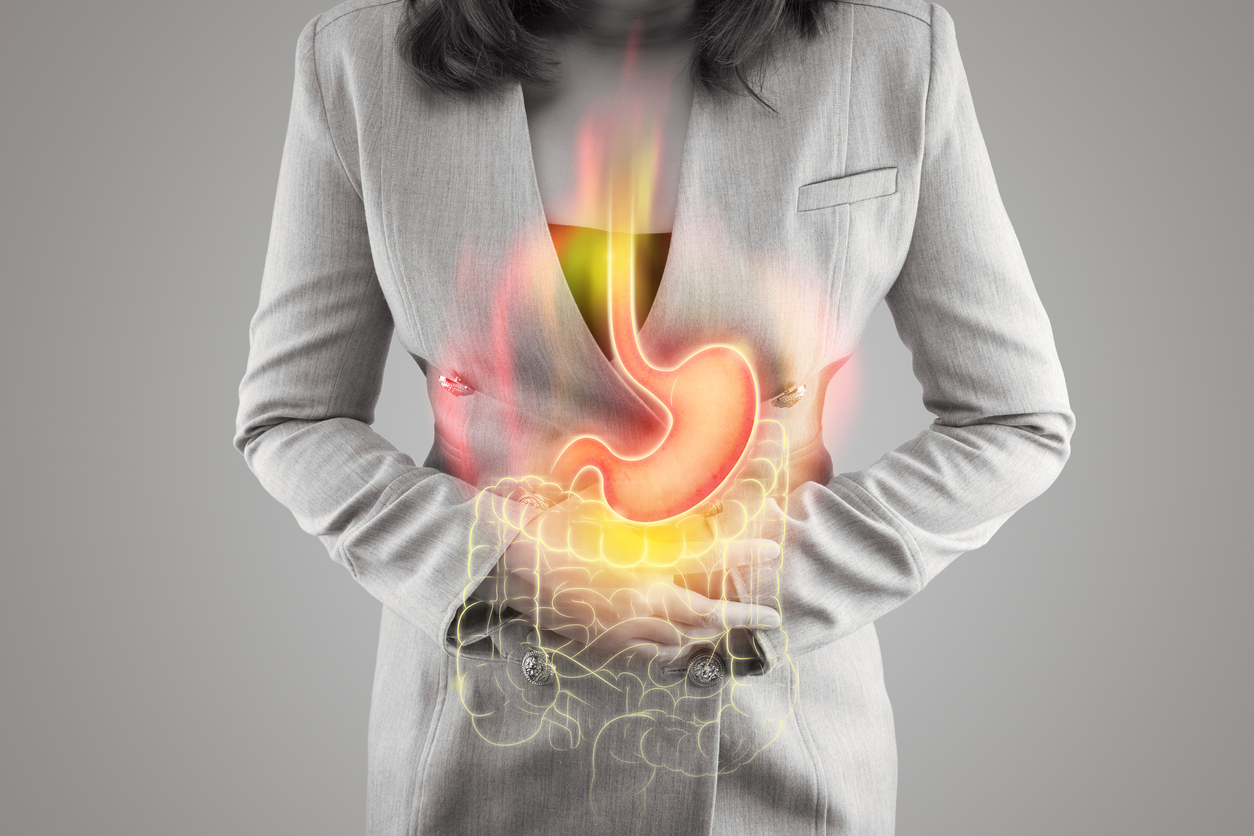
Understanding GERD: Causes and Common Symptoms
What is GERD?
Gastroesophageal reflux disease (GERD) is a chronic condition in which stomach acid frequently flows back into the esophagus. This backwash, called acid reflux, irritates the esophagus’s lining and can cause discomfort. While occasional acid reflux or heartburn is common, GERD is diagnosed when this happens more than twice a week.
Unlike occasional heartburn, GERD is a long-term condition that can lead to serious complications if not managed. Repeated exposure to stomach acid can cause damage to the esophagus, leading to conditions like esophagitis or Barrett’s esophagus, both of which increase the risk of esophageal cancer.
Common Causes of GERD
GERD is caused by the weakening or relaxation of the lower esophageal sphincter (LES), a ring of muscle that acts as a valve between the esophagus and the stomach. When the LES doesn’t close properly, stomach acid can leak into the esophagus, irritating.
Several factors can contribute to the weakening of the LES, including:
- Diet: Eating large meals or lying down right after eating can trigger GERD symptoms. Certain foods, like spicy or fatty meals, citrus fruits, chocolate, caffeine, and alcohol, can also relax the LES and cause acid reflux.
- Obesity: Extra weight, especially around the abdomen, increases pressure on the stomach and LES, making it easier for acid to escape into the esophagus.
- Smoking: Tobacco use weakens the LES and stimulates acid production, increasing the likelihood of reflux.
- Pregnancy: Hormonal changes and increased pressure on the abdomen from the growing uterus can contribute to GERD in pregnant women.
- Medications: Some medications, such as muscle relaxers, blood pressure, and anti-inflammatory medications, can weaken the LES and trigger GERD symptoms.
Understanding these causes helps individuals take preventive steps to manage the condition.
Common Symptoms of GERD
GERD symptoms can vary from person to person, but the most common symptom is heartburn—a burning sensation in the chest, often after eating. This pain typically worsens when lying down or bending over. Heartburn is not the only sign of GERD, however. Many people experience other symptoms, which may include:
- Regurgitation involves the sensation of food or sour liquid rising back into the throat or mouth. It can leave a bitter or sour taste and may be accompanied by burping or bloating.
- Chest pain: Some individuals feel chest pain that can be mistaken for a heart attack. GERD-related chest pain often occurs after eating and feels like a burning or pressure in the chest.
- Chronic cough and sore throat: Stomach acid can irritate the throat, leading to a persistent or sore throat. GERD is also a common cause of laryngitis or hoarseness.
- Difficulty swallowing: Over time, GERD can cause narrowing of the esophagus due to scarring or inflammation. This makes it difficult to swallow food or liquids.
- Bad breath: Acid reflux can also cause bad breath as stomach contents reach the mouth and throat.
Recognizing these symptoms is important for early diagnosis and treatment of GERD.
How to Manage GERD
Managing GERD typically involves a combination of lifestyle changes and medication. For many, small adjustments in diet and daily habits can greatly reduce symptoms.
- Dietary changes: Avoiding trigger foods, such as spicy, fatty, or acidic foods, can help prevent reflux. Eating smaller, more frequent meals instead of large ones can reduce pressure on the stomach. Additionally, it’s important to avoid lying down for at least two to three hours after eating.
- Weight management: Losing weight can significantly reduce pressure on the stomach and LES, helping prevent reflux. Even modest weight loss can improve GERD symptoms for overweight people.
- Avoiding smoking and alcohol: Quitting smoking and reducing alcohol intake can improve LES function and reduce acid reflux.
- Elevating the head of the bed: Raising the head by six to eight inches helps prevent stomach acid from flowing back into the esophagus while sleeping.
In addition to lifestyle changes, over-the-counter medications are often used to manage symptoms. Antacids, like Tums or Maalox, neutralize stomach acid and provide quick relief for occasional symptoms. For longer-lasting relief, H2 blockers like Pepcid or Zantac reduce acid production in the stomach, while proton pump inhibitors (PPIs) like Prilosec and Nexium block acid production more effectively for chronic GERD.
If lifestyle changes and medications do not provide adequate relief, seeing a doctor is important. Some individuals may require stronger prescription medications or, in rare cases, surgery to strengthen the LES.
Conclusion: Recognizing and Managing GERD
GERD is a common condition caused by acid reflux that can lead to uncomfortable symptoms and long-term complications if left untreated. Understanding the causes, such as a weak lower esophageal sphincter or certain lifestyle factors, can help prevent flare-ups. Symptoms like heartburn, chest pain, and regurgitation are common signs of GERD, but other issues, like chronic cough or difficulty swallowing, can also indicate the condition.
Managing GERD often begins with lifestyle changes, including diet adjustments, weight management, and avoiding triggers. Over-the-counter medications provide relief for many, but persistent symptoms should be addressed with a healthcare provider to prevent further complications. Early management can help reduce discomfort and protect long-term digestive health.
Related Articles
“`html
Importance of Early Diagnosis and Treatment
Identifying GERD early and seeking appropriate treatment is essential to prevent long-term complications. Chronic exposure to stomach acid can lead to more severe conditions, such as esophagitis, which is inflammation of the esophagus, and Barrett’s esophagus, a condition that can increase the risk of developing esophageal cancer. Early intervention can help manage symptoms effectively and improve quality of life. If you experience frequent heartburn or other symptoms of GERD, it is important to consult a healthcare professional for a proper diagnosis and tailored treatment plan.
Healthcare providers may use a combination of patient history, physical examination, and diagnostic tests, such as endoscopy or pH monitoring, to confirm a GERD diagnosis. These tools help assess the severity of the condition and guide treatment decisions. Early diagnosis not only alleviates discomfort but also reduces the risk of complications, underscoring the importance of seeking medical advice when symptoms persist.
Lifestyle and Home Remedies
In addition to medical treatments, several lifestyle and home remedies can help manage GERD symptoms. Elevating the head of your bed by 6 to 8 inches can prevent nighttime reflux and improve sleep quality. Wearing loose-fitting clothing, especially around the abdomen, can reduce pressure on the stomach and minimize reflux episodes. It is also beneficial to eat smaller, more frequent meals rather than large meals that can increase stomach pressure and trigger symptoms.
Maintaining a healthy weight through regular exercise and a balanced diet can significantly impact GERD management. Exercise not only helps with weight control but also enhances digestion and reduces stress, which can contribute to GERD symptoms. However, it’s important to avoid vigorous activity immediately after meals. Smoking cessation is another crucial step, as smoking weakens the LES and increases acid production. By adopting these lifestyle changes, individuals can play an active role in managing their GERD symptoms and improving their overall health.
“`