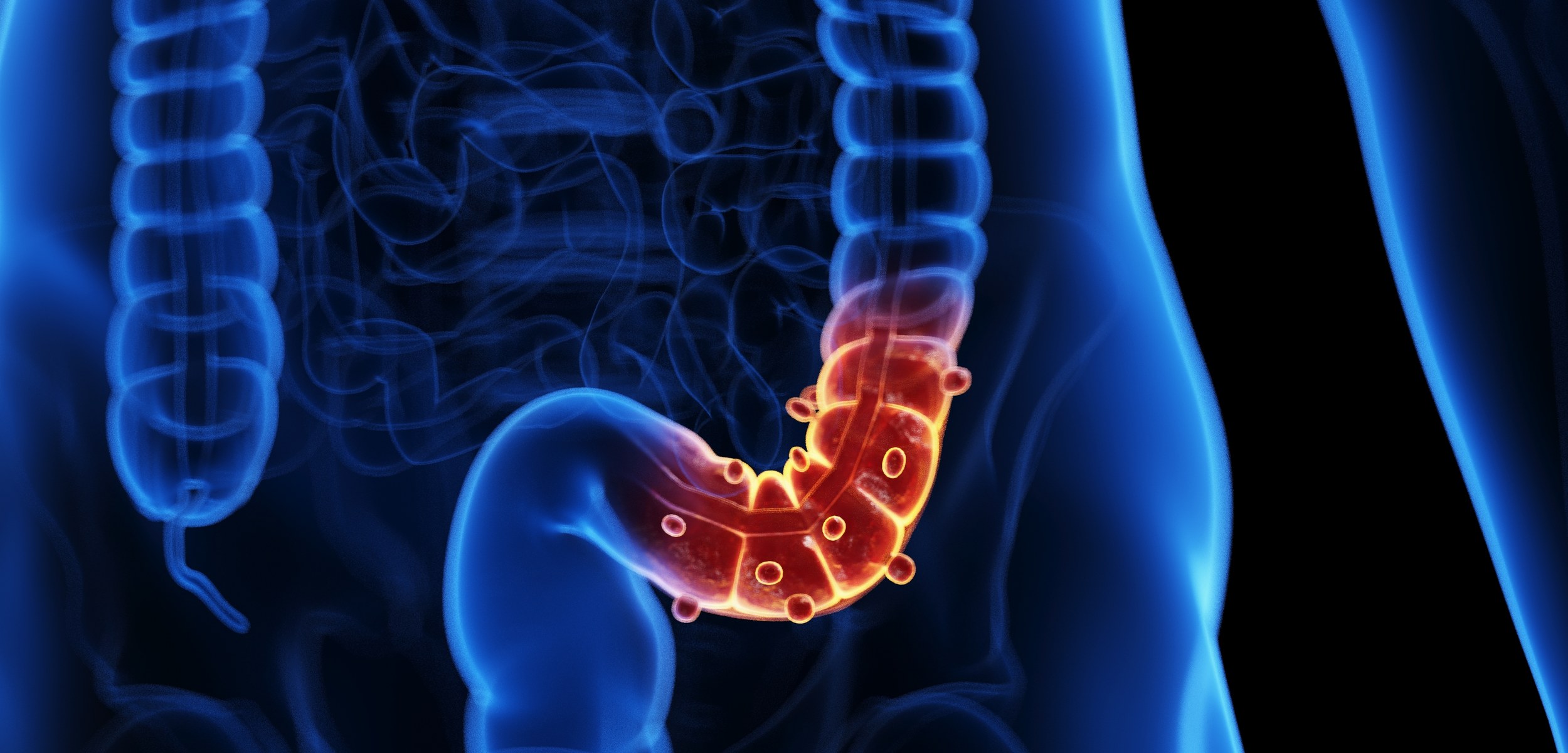
Colon polyps are small growths that develop inside the colon. However, these growths can sometimes become cancerous over time. Also, understanding polyps, recognizing their signs, and knowing the importance of removing them can help in cancer prevention. In addition, colorectal cancer is a leading cause of cancer-related deaths worldwide. Early detection and management of polyps can significantly reduce this risk. By learning about the symptoms and risk factors associated with polyps, individuals can take proactive steps in managing their health. This knowledge is crucial for preventing serious health issues before they arise, empowering individuals to maintain better health outcomes.
What Are Colon Polyps?
Colon polyps are small clusters of cells that form on the colon’s lining. While many polyps are harmless, some have the potential to become cancerous. However, they vary in size and shape, and doctors classify them based on appearance and cancer risk. Also, understanding the different types of polyps is essential for effective screening and treatment. Regular medical check-ups and timely removal of polyps can prevent the development of cancer. Awareness of polyps and seeking prompt medical attention are vital steps in managing one’s health. This knowledge empowers individuals to reduce their risk of developing colorectal cancer.
Symptoms of Colon Polyps
Colon polyps often do not present symptoms, especially when they are small. Larger polyps, however, may cause bleeding, changes in stool color, or abdominal pain. However, some individuals might experience constipation or diarrhea. Since symptoms are not always apparent, regular medical check-ups are crucial for early detection. If you notice any unusual symptoms, it is important to consult your doctor promptly. Recognizing these signs can lead to early detection and treatment of polyps. This proactive approach can significantly reduce the likelihood of cancer developing, ensuring better health outcomes for individuals at risk.
Risk Factors for Colon Polyps
Several things can raise the chance of getting colon polyps. However, these include age, family history, and lifestyle choices like diet and smoking. Some genetic conditions also increase risk. Also, being overweight and not exercising enough may add to the risk. Knowing these factors helps in taking steps to prevent polyps. It also helps decide how often to get checked. By understanding these risks, people can work with doctors to make screening plans. These plans may help find and prevent polyps early.
The Connection Between Polyps and Colorectal Cancer
Colon polyps are significant because they can develop into colorectal cancer, a leading cause of cancer deaths. However, polyps undergo genetic changes over time, which can lead to cancer. Also, early detection and removal of polyps are crucial in preventing cancer formation. This underscores the importance of regular medical check-ups. Understanding the connection between polyps and cancer highlights the need for vigilant healthcare practices. Regular follow-ups and screenings are essential in managing cancer risk effectively. By prioritizing these health measures, individuals can improve their overall health outcomes and reduce the risk of developing colorectal cancer.
Screening Methods for Colon Polyps
Screening for colon polyps typically involves a colonoscopy, which allows doctors to view and remove polyps directly. However, other screening methods include stool tests and imaging techniques. Also, each method has its advantages and disadvantages, and the choice depends on individual risk factors and personal preferences. In addition, regular screenings are recommended, especially for individuals over 50 or those at higher risk. Early detection of polyps through screening can prevent the development of cancer. Being informed about the available screening options empowers individuals to make educated health decisions and supports proactive management of their healthcare.
Advancements in Colonoscopy Technology
Advancements in colonoscopy technology, such as the use of artificial intelligence, have improved the detection of polyps. These tools enhance screening accuracy by reducing errors, although they may come with challenges like longer procedure times. However, improved imaging and computer systems are increasingly being utilized in medical practice. Also, ongoing research aims to refine these technologies, making them more effective for doctors. By incorporating these advancements, screenings can become more efficient, potentially leading to better patient outcomes. As technology continues to evolve, it promises to enhance the effectiveness of colonoscopy procedures.
Polyp Removal Techniques
Removing polyps is essential for preventing cancer development. However, various techniques are employed based on the size and type of the polyp. Small polyps can be removed using forceps or a snare, while larger ones may require endoscopic mucosal resection. Also, in some cases, advanced methods like endoscopic submucosal dissection are necessary. The choice of removal technique depends on the polyp’s characteristics and location within the colon. Understanding these methods helps patients feel more informed about their treatment options, facilitating better communication with healthcare providers and contributing to improved health outcomes.
When Is Surgery Needed for Colon Polyps?
Surgery may be necessary for large polyps or those suspected to be cancerous. However, advanced endoscopic techniques or surgical removal might be required depending on the polyp’s size, appearance, and cancer risk. Patient health and personal preferences also play a role in determining the appropriate treatment approach. Consulting with a specialist can help in making informed decisions about the best course of action. This ensures that the chosen treatment aligns with the patient’s health goals and provides the most effective management of colon polyps, reducing the risk of cancer development.
Understanding Sessile Serrated Lesions
Sessile serrated lesions are a type of colon polyp that carries a higher risk of cancer. However, identifying and managing these lesions is crucial during screening processes. Also, they require careful monitoring and timely removal to prevent cancer development. In addition, their flat shape makes them difficult to detect during routine checks. Understanding these lesions is important for cancer prevention, highlighting the need for advanced detection techniques and regular follow-ups. By being aware of sessile serrated lesions, individuals can take proactive steps in managing their colon health and reducing their risk of colorectal cancer.
The Role of Lifestyle in Preventing Colon Polyps
Lifestyle choices significantly influence the risk of developing the condition. However, consuming a diet rich in fruits, vegetables, and fiber, along with regular physical activity, may help reduce this risk. Avoiding smoking and limiting alcohol intake also contribute to polyp prevention. Also, maintaining a healthy weight and managing stress are important aspects of colon health. These healthy habits can lower the likelihood of polyp formation and support overall digestive health. By adopting these lifestyle changes, individuals can actively participate in reducing their risk of this condition and promoting better digestive well-being.
Importance of Regular Screening
Regular screening for the disease is essential, particularly for individuals at high risk. However, early detection through screening can prevent the progression to cancer. Also, the frequency of screenings depends on personal risk factors and previous polyp findings. In addition, personalized screening plans are crucial for effective prevention. Adhering to recommended check-ups and addressing any abnormal results promptly is key to proactive health management. By staying vigilant with screenings, individuals can ensure early intervention, leading to improved health outcomes and providing peace of mind regarding their colon health.
Challenges in Colon Polyp Detection
Detecting the illness can be challenging due to their varied appearances and locations within the colon. Although technological advancements have improved detection rates, factors such as patient preparation and the skill of the healthcare provider also play significant roles. However, polyps can be flat or hidden, making them difficult to identify during screenings. Ongoing advancements in technology aim to address these challenges. Understanding these issues helps patients comprehend the screening process better, fostering collaboration between patients and healthcare providers for more effective detection and management of the condition.
Understanding Hyperplastic Polyps
Hyperplastic polyps generally pose a low risk of becoming cancerous, but they still require monitoring. However, these polyps are often small and typically found in the rectosigmoid area of the colon. Although they are less likely to develop into cancer, their presence can indicate a higher risk for other types of polyps. Regular medical check-ups and consultations with healthcare providers ensure proper management of these polyps. Being informed about hyperplastic polyps enables individuals to make educated decisions about their care, supporting a comprehensive approach to maintaining colon health and preventing potential complications.
Genetic Factors in Colon Polyp Development
Genetic factors can significantly influence the risk of developing this condition. However, conditions such as familial adenomatous polyposis and Lynch syndrome increase the likelihood of polyps and colorectal cancer. Also, genetic counseling and testing may be recommended for individuals with a strong family history of these conditions. In addition, understanding genetic factors is vital for creating personalized prevention and screening strategies. Identifying high-risk individuals allows for tailored care plans to reduce cancer risk. This approach ensures that individuals receive appropriate care based on their genetic predispositions, enhancing the effectiveness of preventive measures and screenings.
The Impact of Artificial Intelligence on Colonoscopy
Artificial intelligence is transforming colonoscopy by enhancing the detection of polyps. These advanced tools aim to improve the accuracy and efficiency of screenings, although they present integration challenges. However, AI technology can help identify subtle lesions that might otherwise be missed during traditional screenings. Also, continued research is necessary to fully integrate AI into clinical practice. By utilizing AI, screenings can become more precise, leading to improved patient outcomes. As these technologies advance, they hold the potential to revolutionize the way colonoscopy screenings are conducted, offering more reliable and effective detection methods.
When to Consult a Specialist for Colon Polyps
Consulting a specialist is advisable if you have a family history of cancer, exhibit symptoms, or have had previous polyps. However, specialists provide guidance on appropriate screening intervals and management strategies to reduce cancer risk. They also offer insights into new detection and treatment methods. Also, expert advice ensures that you receive the best care tailored to your specific needs. This proactive approach helps in managing colon health effectively and minimizing risks. By seeking specialist consultation, individuals can achieve better health outcomes and maintain peace of mind regarding their colon health.
Call To Action
If you are experiencing symptoms or are due for a screening, expert care can make a real difference. To learn more about your options or request an appointment, visit GI Associates.
Citations
- Medical oncology (Northwood, London, England) (2025) – Colorectal polyps: pathophysiology, malignant potential, and advancements in therapeutic strategies.
https://pubmed.ncbi.nlm.nih.gov/40576881/ - Gastroenterology (2025) – Colon Cancer Screening, Surveillance, and Treatment: Novel Artificial Intelligence Driving Strategies in the Management of Colon Lesions.
https://pubmed.ncbi.nlm.nih.gov/40054749/ - Current opinion in gastroenterology (2024) – Colon polyps: updates in classification and management.
https://pubmed.ncbi.nlm.nih.gov/37909928/
For education only, not medical advice.