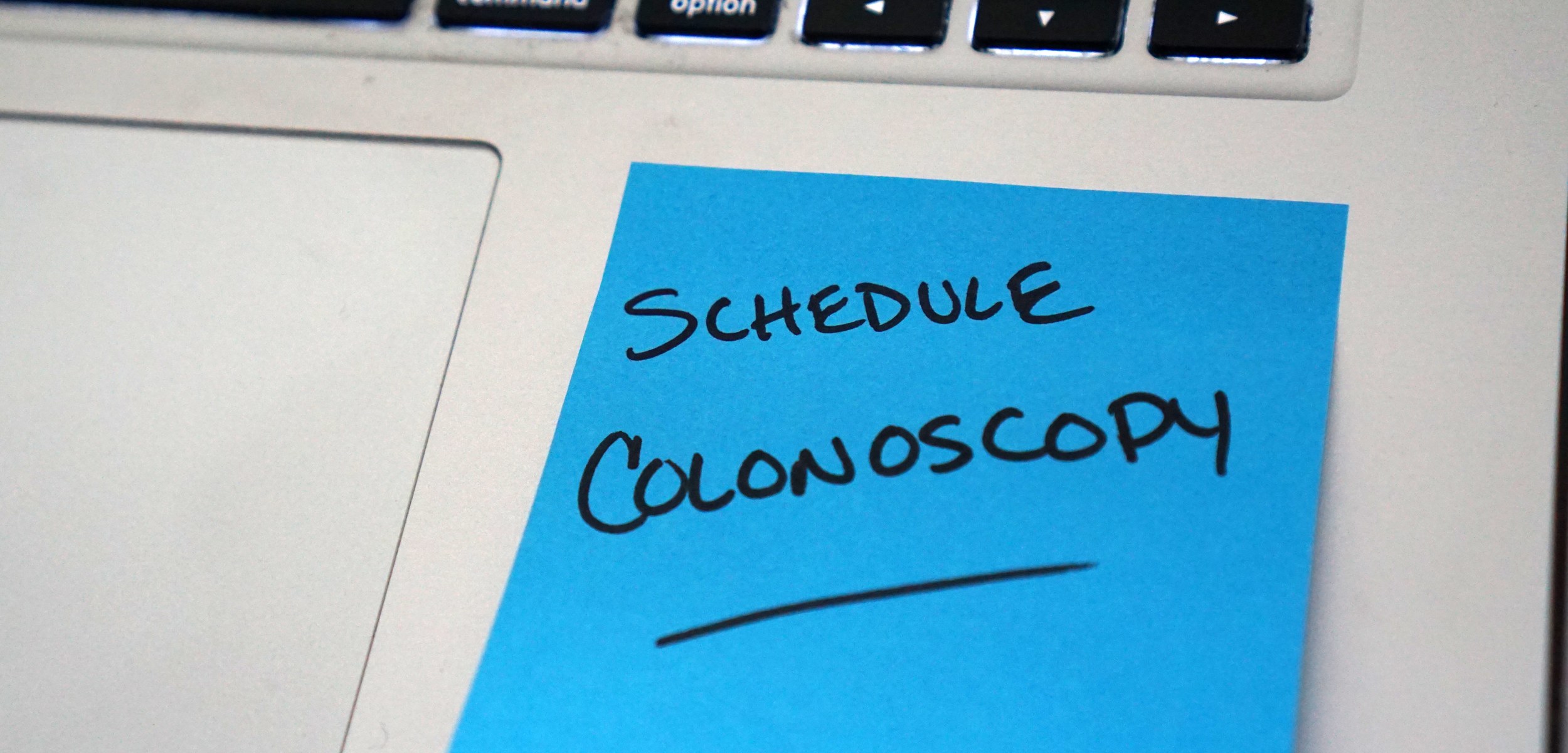
Colonoscopy plays a vital role in detecting colon polyps and other potential issues early. However, this procedure is designed to help prevent colon cancer by identifying and removing growths that could become cancerous. Also, understanding what occurs during a colonoscopy can alleviate anxiety and assist in preparation. In addition, from the preparation phase to recovery, knowing each step can simplify the process. Whether it’s your initial colonoscopy or a follow-up, being well-informed empowers you to manage your healthcare effectively. This knowledge is essential for making informed decisions about your health and ensuring the best possible outcomes.
Colonoscopy: Understanding the Procedure
A colonoscopy examines the colon and rectum using a flexible tube equipped with a camera. However, this procedure helps doctors identify issues like colon polyps, which could potentially develop into cancer if untreated. Also, patients typically receive medication to relax during the examination, which generally lasts between 30 to 60 minutes. In addition, colonoscopies are crucial for detecting early signs of colon cancer and other conditions. Adults are advised to begin regular screenings at age 50, or earlier if there’s a family history of colon cancer. Early detection through colonoscopy can significantly impact treatment success and overall health.
Colonoscopy: Preparing for the Procedure
Proper preparation is essential for a successful colonoscopy. However, patients need to follow a clear liquid diet and take prescribed medication to cleanse the colon thoroughly. Also, this ensures the doctor can clearly view the colon walls during the procedure. In addition, adhering to these instructions is crucial to avoid rescheduling the test. Some individuals may feel anxious about the preparation process, but understanding its importance can alleviate concerns. Effective preparation aids in the detection of colon polyps and enhances the procedure’s effectiveness. Ensuring a clean colon is vital for accurate results and a smooth procedure.
Colonoscopy: What Happens During the Procedure
During a colonoscopy, patients are usually given medication to help them relax. However, the doctor inserts a colonoscope, a flexible tube with a camera, into the rectum to examine the colon. Also, the camera transmits images to a screen, allowing the doctor to identify any issues, such as colon polyps. In addition, if polyps are detected, they can often be removed immediately, which may help prevent colon cancer. The procedure is generally safe, with minimal complications. Patients should communicate any discomfort to the medical team promptly to ensure a smooth and comfortable experience.
Colonoscopy: Recovery After the Procedure
Following a colonoscopy, patients are monitored until the sedative effects wear off. However, It’s common to experience bloating or gas as air exits the colon. Also, most individuals can resume normal activities the following day, but it’s advised to avoid driving or making significant decisions for 24 hours. In addition, if polyps were removed, the doctor might provide specific recovery guidelines. Patients should promptly report any severe pain, fever, or bleeding to their doctor, as these symptoms could indicate complications. Proper post-procedure care is crucial for a smooth recovery and ensuring any issues are addressed quickly.
Colonoscopy: Importance in Cancer Prevention
Colonoscopy is important for finding and preventing colon cancer early. It’s the best test for screening because it lets doctors see and remove colon polyps directly. However, regular screenings can greatly lower the risk of getting colon cancer. The U.S. Also, multi-Society Task Force says to start screenings at age 50 for most people. Those with a family history of colon cancer might need to start earlier. Talking to a healthcare provider can help decide the best plan for you.
Identifying Colon Polyps
Colon polyps are growths found on the lining of the colon, varying in size and type. However, during a colonoscopy, doctors can identify and often remove these polyps. While most polyps are benign, some have the potential to develop into cancer over time. Also, removing polyps during the procedure can reduce the risk of colon cancer. It’s estimated that over a quarter of individuals undergoing screening will have colonic adenomas, a specific type of polyp. Regular screenings and polyp removal are essential steps in cancer prevention, contributing to better long-term health outcomes.
When to Schedule Your First Screening
For most individuals, the first colon cancer screening is recommended at age 50. However, those with a family history of colon cancer or certain genetic conditions may need to begin earlier. However, african Americans are advised to start screening at age 45 due to increased risks. Discussing personal risk factors with a healthcare provider is crucial to determine the appropriate timing for screening. Early detection through colonoscopy can lead to improved outcomes and help maintain colon health. Understanding personal risk factors and adhering to screening recommendations are vital for effective prevention.
The Role of AI in Procedures
Artificial intelligence (AI) is increasingly utilized in colonoscopies to enhance the detection of colon polyps and other abnormalities. However, AI systems assist doctors by highlighting areas that may require closer examination. Also, this technology aims to improve the accuracy of the procedure and reduce the likelihood of missed issues. However, integrating AI with human expertise is complex and requires careful implementation to be effective. Ongoing research is necessary to fully harness AI’s potential benefits in colonoscopies. As technology advances, it may offer significant improvements in diagnostic accuracy and patient outcomes.
Managing Anxiety Before the Procedure
Experiencing anxiety before a colonoscopy is common, but understanding the procedure can help ease concerns. However, patients should discuss any fears with their healthcare provider, who can offer reassurance and clarify what to expect. Recognizing that a colonoscopy is a routine procedure with significant benefits for cancer prevention can also provide comfort. Sedation is used to ensure the test is as comfortable as possible. Preparing both mentally and physically can reduce anxiety, helping patients approach the procedure with confidence and a sense of control over their health.
Potential Risks and Complications
While colonoscopy is usually safe, there are possible risks and problems. These include bleeding, especially if polyps are removed, and a tear in the colon wall, which is rare. Problems related to sedation can also happen. It’s important for patients to know these risks and talk about them with their doctor before the test. Knowing the signs of problems, like severe belly pain or ongoing bleeding, can help get quick medical help if needed. Despite these risks, the benefits of early detection and prevention often outweigh the downsides.
Alternatives to Colonoscopy
For those who can’t or don’t want a colonoscopy, there are other screening options. However, these include fecal immunochemical tests (FIT), which check for blood in the stool, and CT colonography, a non-invasive imaging test. Each method has pros and cons. FIT is less invasive but needs to be done every year, while CT colonography requires similar preparation to a colonoscopy. Talking about these options with a healthcare provider can help find the best approach based on personal risk factors and preferences.
Understanding Your Results
After a colonoscopy, the doctor will talk about the results with the patient. However, if polyps were removed, they are sent to a lab to see if they are non-cancerous or could become cancerous. Also, the results help decide future screening plans and any needed follow-up care. If no problems are found, the next colonoscopy is usually suggested in 10 years for most people. Understanding the results and what they mean is important for ongoing colon health and cancer prevention. Patients should feel free to ask questions about their results.
Monitoring Ulcerative Colitis
For patients with ulcerative colitis, regular colonoscopies are important for watching the disease and finding dysplasia (a precancerous condition). However, these patients have a higher risk of colon cancer, making regular checks crucial. Also, colonoscopy lets doctors see the colon lining directly, helping to check for inflammation and any suspicious changes. How often these patients need a colonoscopy depends on how long and severe the disease is, and their personal risk factors. Regular checks help in timely treatment and management of the condition.
Impact of Family History
A family history of colon cancer affects colonoscopy recommendations a lot. However, people with a close relative diagnosed with colon cancer or advanced adenomas before age 60 should start colonoscopies earlier and more often. Also, this helps find and prevent problems early, as genetic factors can raise the risk of colon cancer. Talking about family history with a healthcare provider is key for creating a personalized colonoscopy plan that addresses these higher risks. Understanding these factors can lead to better prevention strategies.
Considerations for Limited Life Expectancy
For patients with limited life expectancy, deciding on a colonoscopy requires careful consideration of the risks and benefits. However, the likelihood of polyps developing into cancer must be balanced against the procedure’s risks. Also, guidelines suggest a more cautious approach for those with less than 10 years of expected life, focusing on quality of life and symptom management. Patients and healthcare providers should collaborate to determine the most appropriate course of action. This collaborative decision-making process ensures that patient preferences and values are respected, aligning medical care with individual goals and circumstances.
Future Directions in Technology
Advancements in colonoscopy technology continue to enhance the procedure’s effectiveness and patient experience. However, innovations such as improved imaging techniques and AI aim to detect more colon polyps and reduce procedure times. Also, these technologies promise more accurate screenings and better outcomes. Continued research and development are crucial to refine these tools and ensure they are accessible and beneficial to patients. Staying informed about these technological advancements can help patients make informed decisions about their colonoscopy options, leading to improved healthcare experiences and outcomes.
Call To Action
If you are experiencing symptoms or are due for a screening, expert care can make a real difference. To learn more about your options or request an appointment, visit GI Associates.
Citations
- World journal of gastrointestinal endoscopy (2024) – Human-artificial intelligence interaction in gastrointestinal endoscopy.
https://pubmed.ncbi.nlm.nih.gov/38577646/ - JAMA (2023) – Ulcerative Colitis in Adults: A Review.
https://pubmed.ncbi.nlm.nih.gov/37698559/ - Current opinion in gastroenterology (2022) – How many is too many? Polyposis syndromes and what to do next.
https://pubmed.ncbi.nlm.nih.gov/34839308/
For education only, not medical advice.