GERD Relief Starts with Understanding the Causes
Introduction: What Is GERD?
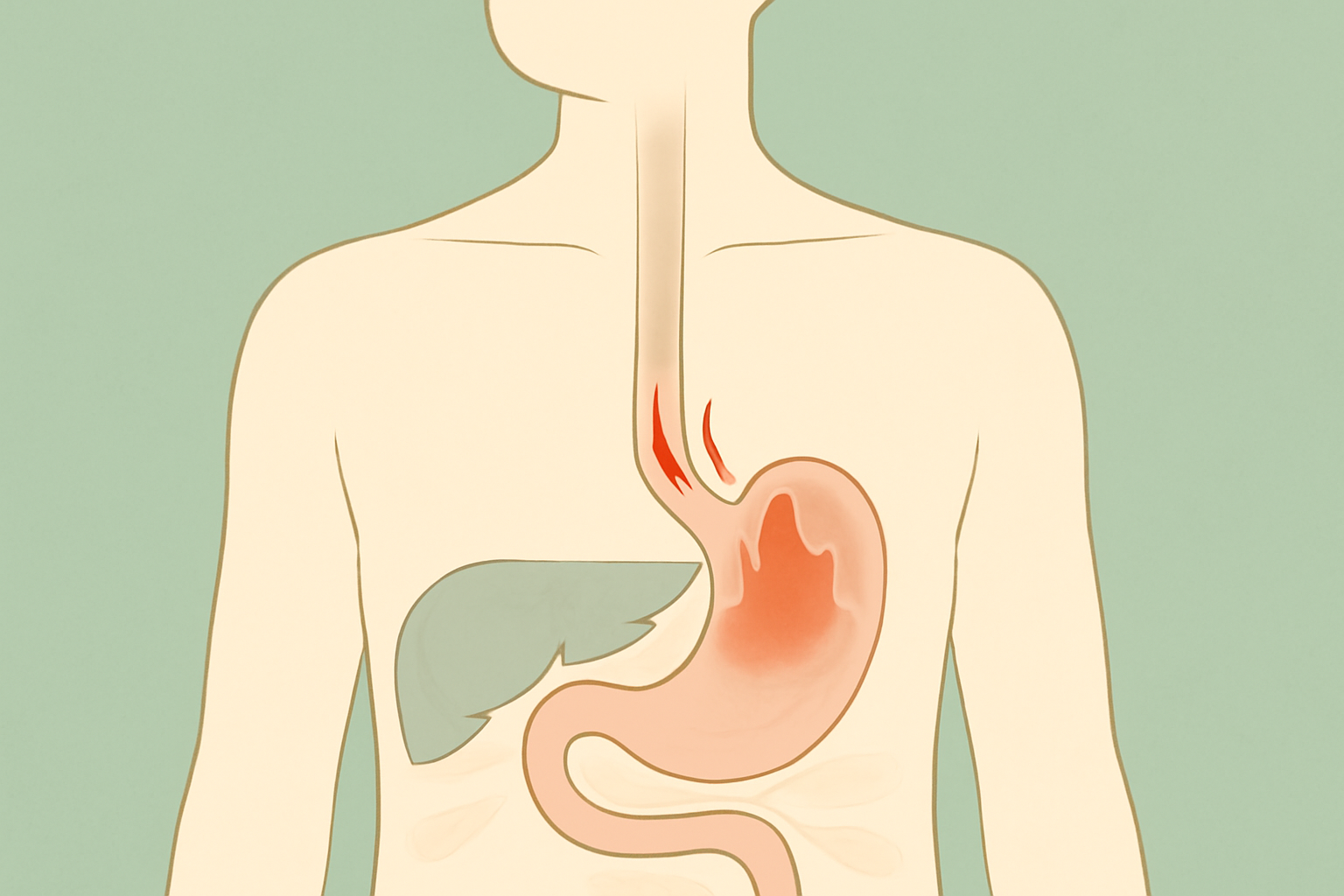
Gastroesophageal Reflux Disease (GERD) is a chronic condition where stomach acid flows back into the esophagus, irritating its lining. This backwash—commonly referred to as acid reflux—causes symptoms like heartburn, chest pain, and regurgitation. When reflux occurs frequently or becomes severe enough to interfere with daily life, it’s considered GERD rather than occasional indigestion.
Millions of people suffer from GERD, but the good news is that identifying its root causes can lead to effective, lasting relief. With a few adjustments in lifestyle, diet, and, when necessary, medications, most people can manage symptoms and avoid long-term complications.
What Causes GERD?
GERD is caused by a malfunction of the lower esophageal sphincter (LES), the muscular ring at the base of the esophagus. When the LES weakens or relaxes inappropriately, stomach acid can escape into the esophagus, leading to chronic irritation.
Common GERD Triggers
Several factors contribute to GERD:
- Hiatal Hernia: A structural issue where part of the stomach bulges through the diaphragm, weakening LES function.
- Obesity: Excess abdominal pressure can push stomach acid upward.
- Pregnancy: Hormonal changes and physical pressure on the stomach increase reflux.
- Smoking: Reduces LES strength and increases acid production.
- Delayed Stomach Emptying: Conditions like gastroparesis can contribute to acid buildup and reflux.
- Medications: Certain drugs like NSAIDs, sedatives, and calcium channel blockers can weaken the LES.
Dietary and Lifestyle Causes
The foods you eat and how you eat them also influence GERD severity.
Common Dietary Triggers
- Spicy foods
- Chocolate
- Caffeinated drinks
- Alcohol
- Fried or fatty meals
- Tomatoes and citrus fruits
- Peppermint
Eating large meals or lying down immediately after eating can make reflux worse, regardless of the food type.
Symptoms That Signal GERD
Recognizing symptoms early is key to avoiding damage and discomfort. Typical signs of GERD include:
- Frequent heartburn (burning in the chest)
- Acid regurgitation
- Sour or bitter taste in the mouth
- Chronic cough or throat clearing
- Hoarseness or sore throat
- Sensation of a lump in the throat (globus)
- Chest pain not related to the heart
If you experience these symptoms more than twice a week, GERD is likely and should be evaluated by a healthcare provider.
Finding Relief from GERD
Relief from GERD starts with addressing its causes—both lifestyle and medical. A combination of dietary changes, habit adjustments, and medications can provide both immediate and long-term relief.
Lifestyle and Diet Modifications
- Eat smaller, more frequent meals to avoid pressure on the stomach.
- Avoid eating 2–3 hours before bedtime to reduce nighttime reflux.
- Elevate the head of your bed by 6 to 8 inches to keep acid down while sleeping.
- Maintain a healthy weight to relieve abdominal pressure.
- Avoid trigger foods like spicy, fatty, or acidic meals.
- Wear loose-fitting clothing that doesn’t compress the abdomen.
Medication Options
When lifestyle changes aren’t enough, medications can help:
- Antacids: Provide fast relief by neutralizing stomach acid.
- H2 Blockers (e.g., famotidine): Reduce acid production.
- Proton Pump Inhibitors (PPIs) (e.g., omeprazole, esomeprazole): More effective acid reducers, often prescribed for long-term use.
- Prokinetics: Help the stomach empty faster and reduce reflux.
Always consult your doctor before beginning long-term medication use, as some GERD drugs may have side effects or interact with other treatments.
When to Seek Medical Help
If GERD symptoms persist despite lifestyle changes and over-the-counter medications, a doctor may recommend further evaluation. This could include:
- Upper endoscopy to assess for esophageal damage.
- pH monitoring to measure acid levels.
- Esophageal manometry to evaluate LES function.
Persistent GERD can lead to serious complications like esophagitis, strictures, Barrett’s esophagus, or even esophageal cancer.
Learn more about diagnostic tests and treatments at the Cleveland Clinic’s GERD page.
Surgical Options for Severe Cases
When GERD doesn’t respond to medication and lifestyle modifications, surgery may be necessary:
- Fundoplication: The top of the stomach is wrapped around the LES to strengthen it.
- LINX device: A ring of magnetic beads is implanted around the LES to keep it closed, but still allow food to pass.
These options are typically reserved for patients with severe or medication-resistant GERD.
Conclusion: Understanding GERD Leads to Better Relief
GERD is a manageable condition once you identify and address its root causes. Relief often begins with simple changes in what and how you eat, as well as your daily habits. For those who need it, medications and even surgery can offer further control and lasting comfort.
If you find yourself experiencing frequent reflux, don’t ignore the symptoms. Getting evaluated early and taking proactive steps can protect your esophagus and help you live symptom-free.“`html
The Importance of Professional Diagnosis and Monitoring
While lifestyle adjustments and over-the-counter medications can significantly alleviate GERD symptoms, it is crucial to seek professional medical advice for an accurate diagnosis. A healthcare provider can help differentiate GERD from other conditions with similar symptoms, such as peptic ulcers or esophageal motility disorders. They may recommend diagnostic tests like an endoscopy, pH monitoring, or esophageal manometry to assess the extent of acid reflux and rule out any complications.
Regular follow-ups with your healthcare provider are essential, especially if symptoms persist despite treatment. This ongoing monitoring ensures that any changes in your condition are promptly addressed, and it helps prevent potential complications like esophagitis, Barrett’s esophagus, or even esophageal cancer. Early intervention and tailored treatment plans can lead to better outcomes and improved quality of life.
Complementary Therapies and Stress Management
In addition to traditional treatments, some patients find relief from GERD symptoms through complementary therapies. Techniques such as acupuncture, relaxation exercises, and mindfulness meditation can help reduce stress, which is known to exacerbate GERD symptoms. Stress management is a vital component of holistic care, as stress can increase stomach acid production and weaken the LES, leading to increased reflux episodes.
Before incorporating any complementary therapies into your treatment plan, it is important to discuss them with your healthcare provider to ensure they are safe and appropriate for your specific situation. Combining these therapies with conventional medical treatments can offer a more comprehensive approach to managing GERD, providing both physical and emotional relief.
“`