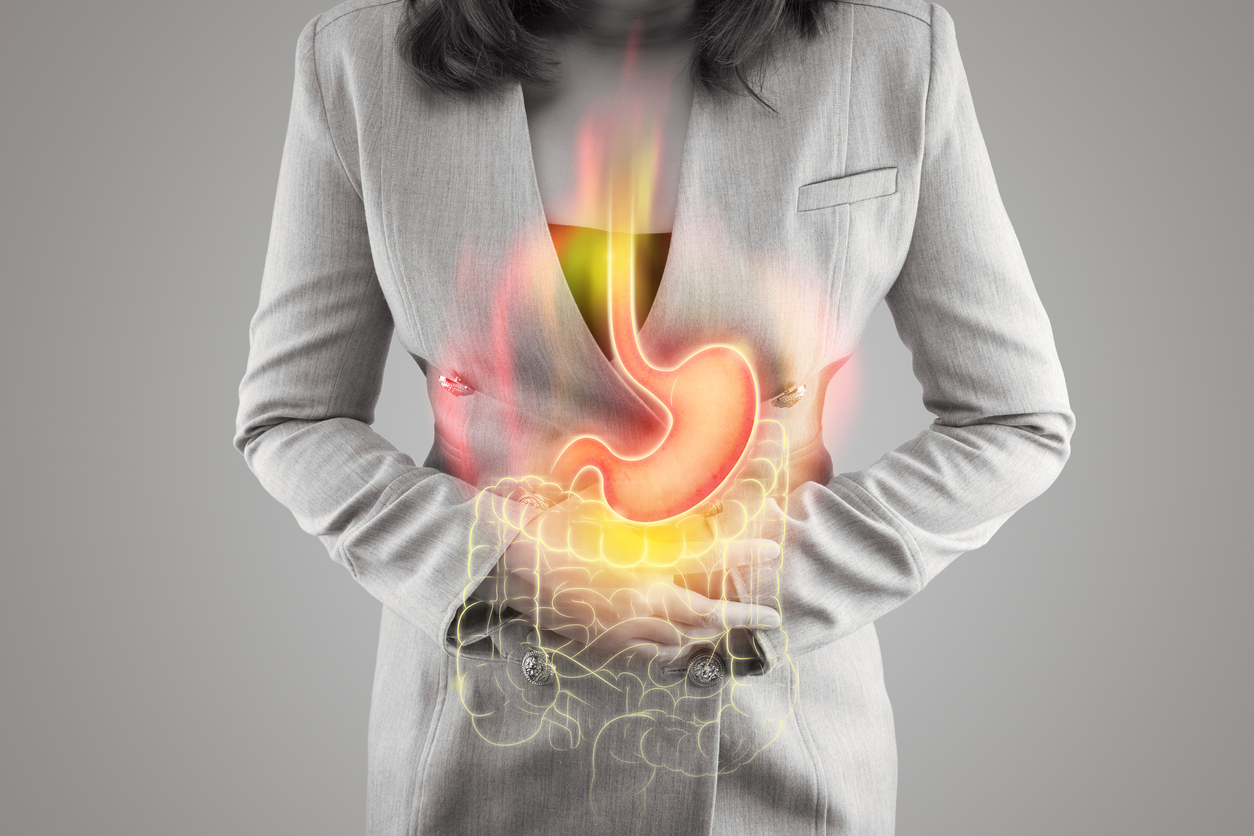
GERD: What You Need to Know
GERD, or gastroesophageal reflux disease, is a condition that results when stomach acid backs up into the esophagus. It can be caused by many things, including lifestyle habits, weight, pregnancy, and more. It can cause heartburn, chest pain, and other symptoms.
If left untreated, GERD can lead to more serious health problems. It can be treated with lifestyle changes, over-the-counter medications, and prescription medications. If you think you may have it, talk to your doctor.
GERD is a common condition that can result in heartburn, chest pain, and other symptoms. GERD is caused by many things, including lifestyle habits, weight, pregnancy, and more. It can often be treated with changes to diet and lifestyle, and in some cases, medications may also be needed.
GERD is a condition that results when stomach acid backs up into the esophagus. This can cause heartburn, chest pain, and other symptoms. It can be caused by many things, including lifestyle habits, weight, pregnancy, and more. It can often be treated with changes to diet and lifestyle, and in some cases, medications may also be needed.
GERD symptoms include:
– Heartburn: a burning sensation in the chest that can extend to the neck, jaw, or back
– Chest pain: discomfort or pain that is often worse when lying down or bending over
– Difficulty swallowing: a feeling that food is stuck in the throat or chest
– Regurgitation: bringing up food or liquid from the stomach
GERD is often caused by things such as obesity, pregnancy, smoking, and hiatal hernias. Most people with It can manage their symptoms with lifestyle changes and over-the-counter medications. If lifestyle changes and over-the-counter medications don’t help, your doctor may prescribe a stronger medication. It can be a serious condition, so it’s important to talk to your doctor if you think you may have it.
Lifestyle changes that can help GERD symptoms include:
– Eating smaller meals
– Avoiding trigger foods
– Avoiding eating late at night
– Losing weight if necessary
– Quitting smoking
Over-the-counter medications that can help GERD symptoms include:
– Antacids: medications that neutralize stomach acid
– H2 blockers: medications that reduce stomach acid production
Proton pump inhibitors: medications that block stomach acid production
If lifestyle changes and over-the-counter medications don’t help GERD symptoms, your doctor may prescribe a stronger medication. These include proton pump inhibitors and H2 blockers. Surgery is an option for people who don’t respond to other treatments.
GERD can be a serious condition, so it’s important to talk to your doctor if you think you may have it. GERD can be treated with lifestyle changes, over-the-counter medications, and prescription medications. If left untreated, GERD can lead to more serious health problems.
GERD can be a serious condition, so it’s important to talk to your doctor if you think you may have it. GERD can often be treated with changes to diet and lifestyle, and in some cases, medications may also be needed.
If lifestyle changes and over-the-counter medications don’t help GERD symptoms, your doctor may prescribe a stronger medication. Surgery is an option for people who don’t respond to other treatments. Talk to your doctor about the best treatment option for you.
Related Articles
“`html
Understanding GERD Triggers
Recognizing and understanding the factors that contribute to GERD can empower patients to manage their symptoms more effectively. Common triggers include certain foods and beverages that can relax the lower esophageal sphincter or increase stomach acid production. These include spicy foods, citrus fruits, chocolate, caffeine, and alcohol. Eating large meals or lying down shortly after eating can also exacerbate symptoms. Stress and lack of sleep are additional factors that can worsen GERD by affecting digestive health. Identifying personal triggers through a food diary or consultation with a healthcare provider can be a valuable step in managing GERD.
In addition to dietary triggers, certain medications can also contribute to GERD symptoms. These may include anti-inflammatory drugs, some blood pressure medications, and certain muscle relaxers. If you suspect that a medication may be affecting your GERD, discuss it with your healthcare provider. They can help determine whether an alternative treatment might be more suitable for you.
Long-term Management and Monitoring
For many individuals, GERD is a chronic condition requiring ongoing management. Regular follow-ups with a healthcare provider are crucial to monitor the condition and adjust treatment plans as needed. This is especially important if symptoms persist despite treatment, as chronic GERD can lead to complications such as esophagitis, Barrett’s esophagus, or even esophageal cancer. Your doctor may recommend periodic endoscopy to monitor the health of your esophagus and ensure there are no signs of damage.
In addition to medical management, adopting a holistic approach to health can be beneficial. This includes maintaining a healthy weight, engaging in regular physical activity, and practicing stress-reduction techniques such as yoga, meditation, or deep-breathing exercises. These lifestyle choices can not only help manage GERD but also improve overall well-being. Remember, effective management of GERD is a collaborative process between you and your healthcare provider, and open communication is key to finding the most effective strategies for your individual needs.
“`“`html
Key Takeaways
GERD, or gastroesophageal reflux disease, is a common condition that affects many individuals. Understanding its symptoms, such as heartburn and regurgitation, can help you manage the condition effectively. Lifestyle changes, dietary adjustments, and medications can significantly alleviate symptoms.
When to See a Specialist
If you experience persistent symptoms despite making lifestyle changes, or if you have difficulty swallowing, unexplained weight loss, or chest pain, it’s important to consult a gastroenterologist. Early intervention can prevent complications and improve your quality of life.
“`