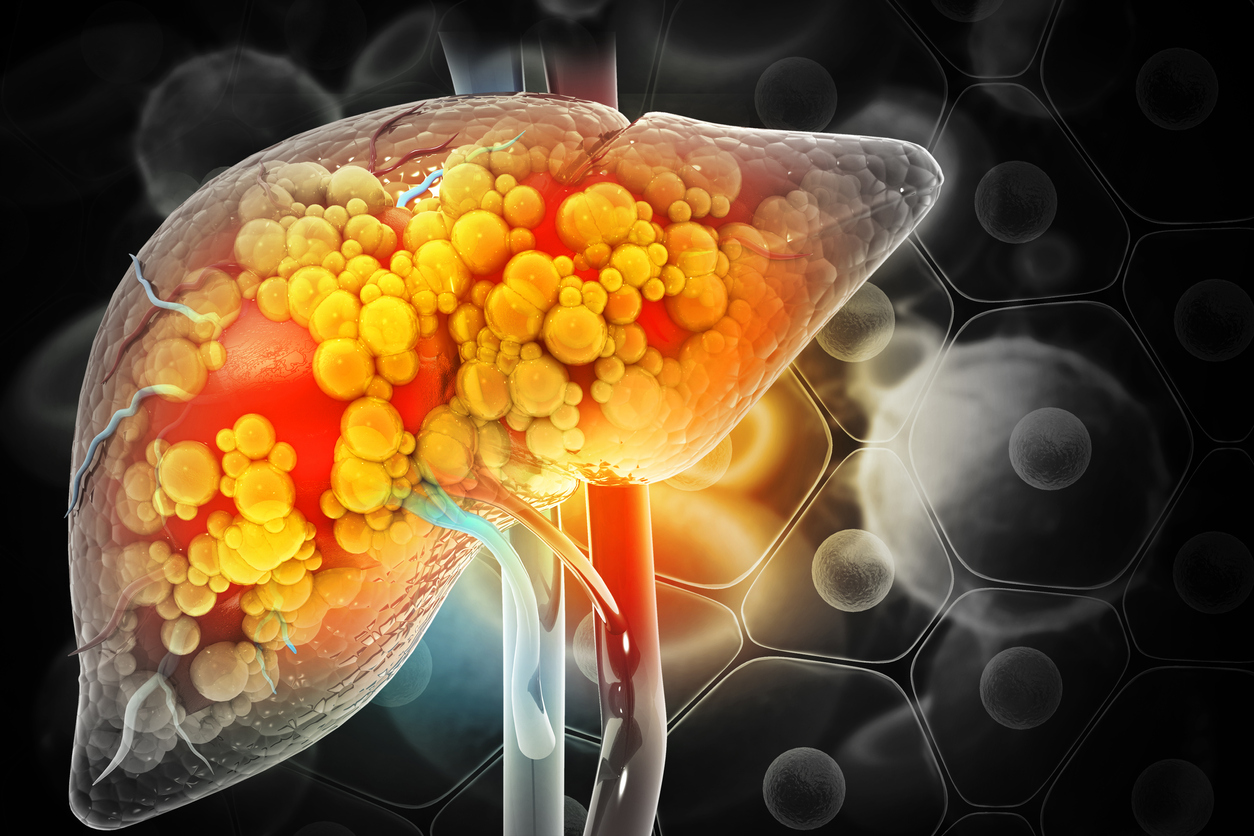
How to Prevent Cirrhosis: Tips for a Healthy Liver
Cirrhosis is a severe and often fatal disease that affects the liver. There are many ways to prevent Cirrhosis, and by following some simple guidelines, you can keep your liver healthy and functioning correctly. In this article, we will discuss the causes of Cirrhosis, how to prevent it, and what to do if you think you might have it.
What is Cirrhosis, and What Are The Causes
Cirrhosis is a severe and often fatal disease that affects the liver. It occurs when the liver is damaged and cannot function properly. The most common causes include
- Alcohol Abuse: Alcohol abuse is the leading cause of Cirrhosis. Excessive alcohol consumption can damage the liver cells and lead to inflammation and scarring. Over time, this can cause the liver to become severely damaged and unable to function correctly. If you are concerned that you or someone you know may be abusing alcohol, please seek professional help.
- Obesity: People who are obese are at increased risk for Cirrhosis. This is because obesity can lead to non-alcoholic fatty liver disease, a condition that can damage the liver. Autoimmune diseases: Autoimmune diseases, such as lupus and scleroderma, can damage the liver and lead to Cirrhosis.
- Hepatitis C: Hepatitis C is a severe and often deadly virus that affects the liver. The most common way to contract hepatitis C is by sharing needles or other equipment used to inject drugs. However, it can also be contracted through unprotected sex or contact with infected blood. Symptoms of hepatitis C include fever, fatigue, abdominal pain, and jaundice. If left untreated, hepatitis C can lead to cirrhosis, liver cancer, and death. There is currently no cure for hepatitis C, but treatments available can help people manage the virus.
- Fatty Liver Disease: Fatty liver disease is a condition that results when too much fat accumulates in the liver. This can cause the liver to become swollen and inflamed. Fatty liver disease is reversible, and many people with the condition can return to a healthy liver by making lifestyle changes, such as losing weight and eating a healthy diet. However, if left untreated, fatty liver disease can lead to cirrhosis, liver cancer, and death.
What to Do if You Think You Might Have Cirrhosis?
If you are concerned that you or someone you know may have Cirrhosis, it is vital to seek medical help. Cirrhosis can be a severe and life-threatening condition. Early diagnosis and treatment are essential for the best possible outcome. Many treatments are available, and with early diagnosis and proper care, most people with the condition can live long and healthy lives.
Final Thoughts
Cirrhosis is a severe, often fatal disease that can occur when the liver is damaged by long-term alcohol abuse or other health problems. It cannot be cured, but it can be prevented by making healthy lifestyle choices and regular medical checkups. Following your doctor’s treatment plan will help you live longer and feel better if you have Cirrhosis.
Related Articles
“`html
Healthy Lifestyle Choices for Liver Health
Maintaining a healthy lifestyle is crucial in preventing cirrhosis and promoting overall liver health. One of the most effective ways to protect your liver is by moderating alcohol consumption. For men, this means limiting intake to no more than two drinks per day, and for women, no more than one drink per day. Additionally, adopting a balanced diet rich in fruits, vegetables, whole grains, and lean proteins can support liver function. Avoiding processed foods high in sugars and unhealthy fats can also prevent the buildup of fat in the liver, reducing the risk of fatty liver disease.
Regular physical activity is another essential component of a healthy lifestyle. Engaging in at least 150 minutes of moderate-intensity exercise per week can help maintain a healthy weight, reduce liver fat, and improve insulin sensitivity. Exercise also boosts the immune system, which can be beneficial in managing autoimmune conditions that may affect the liver. Remember, even small changes in your daily routine, such as taking the stairs instead of the elevator or walking short distances instead of driving, can contribute to better liver health.
Importance of Regular Medical Checkups
Regular medical checkups are vital for early detection and management of liver-related issues. Routine blood tests can help monitor liver function and detect any abnormalities that may indicate the onset of liver disease. If you have risk factors such as a family history of liver disease, obesity, or a history of alcohol abuse, it is especially important to schedule regular visits with your healthcare provider.
Vaccinations also play a crucial role in liver health. Vaccines for hepatitis A and B can protect against these viruses, which can lead to serious liver damage if contracted. Discuss with your doctor whether you are a candidate for these vaccinations. Additionally, if you are at risk for hepatitis C, regular screenings are recommended, as early detection can prevent progression to cirrhosis. By staying proactive with your healthcare, you can take significant steps in safeguarding your liver and overall well-being.
“`
Trusted Sources
“`html
Key Takeaways
Preventing cirrhosis involves maintaining a healthy lifestyle, including a balanced diet, regular exercise, and moderation in alcohol consumption. Avoiding risky behaviors, such as sharing needles or unprotected sex, can also help prevent liver damage. Regular medical check-ups are crucial for early detection and management of liver conditions.
When to See a Specialist
If you experience symptoms such as persistent fatigue, jaundice, or abdominal swelling, it’s important to consult a healthcare provider. Early intervention can prevent further liver damage and improve outcomes. Remember, taking proactive steps today can lead to a healthier liver tomorrow.
“`